
Shrubs
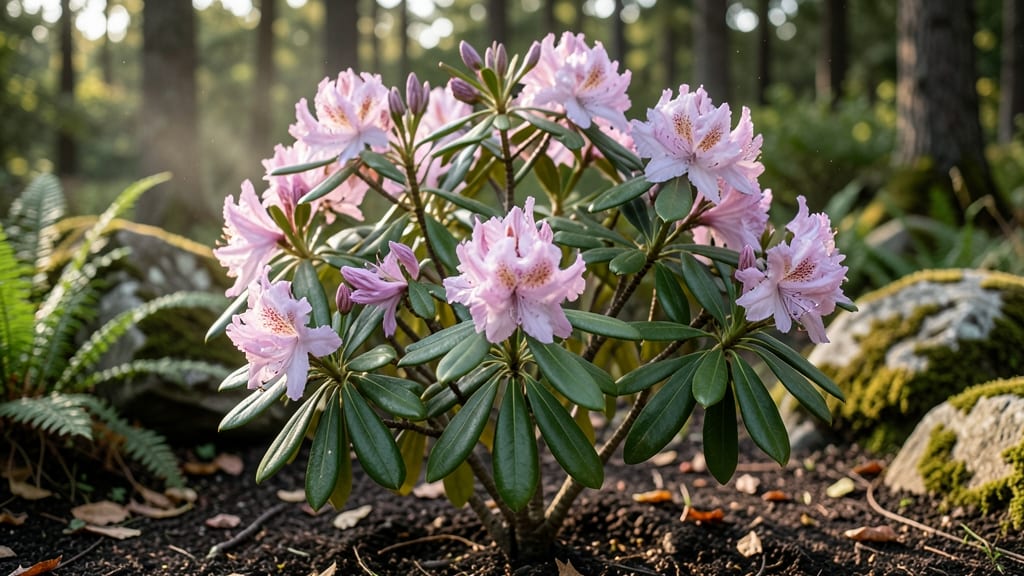
Creating a fragrant broad-leaf evergreen hedge transforms any garden into a lush, year-round sanctuary. 🌿 The secret lies in selecting the right shrubs—think holly with its glossy leaves and berries, or boxwood for its compact, structured growth.
These plants provide texture, color, and even subtle fragrance that keeps your outdoor space inviting all seasons.
For a foolproof design, pair evergreens with seasonal bloomers like spring bulbs or fall mums to create depth and interest. A well-placed hedge also defines spaces, adds privacy, and frames focal points like patios or garden art.
The key is choosing shrubs that match your climate and sunlight conditions—most thrive in partial shade to full sun.
You’ll end up with a garden that feels like a retreat, where the scent of pine or boxwood lingers in the air and the sight of vibrant foliage brings joy year after year.
The best part? These hedges require minimal maintenance once established, making them perfect for both busy and hands-on gardeners.
Whether you’re aiming for a classic English garden look or a modern, minimalist design, broad-leaf evergreens adapt beautifully. Start with a mix of heights and textures—like tall rhododendrons behind shorter boxwood—to create a dynamic, layered effect that stands out in every season.
📚 In This Guide
- What you need
- Instructions
- Tips and common mistakes
- Wrapping up and next steps
What you need
- ● Broadleaf evergreen shrubs: Choose from fragrant varieties like Lavender, Rosemary, Boxwood, Holly, or Camellia. Buy 5–10 healthy nursery plants (spacing depends on mature size—check plant tags).
- ● High-quality potting soil or garden soil: 50 lbs of well-draining, organic soil mix (amend with 10–20% perlite or sand if your soil is clay-heavy).
- ● Organic fertilizer: A balanced 10-10-10 or slow-release granular fertilizer (e.g., 1 lb per 10 plants).
- ● Mulch: 2–3 inches of wood chips, pine straw, or shredded bark to retain moisture and suppress weeds.
- ● Watering can or hose with a gentle spray nozzle: For deep, even watering (avoid overhead sprinklers to prevent fungal issues).
- ● Garden trowel or spade: For digging holes (size should be 2–3x wider than the root ball).
- ● Pruning shears: Sharp, bypass-style shears for shaping and trimming (sterilize with rubbing alcohol between cuts).
- ● Measuring tape: To ensure proper spacing (typically 3–6 feet apart, depending on shrub variety).
- ● Gloves: Heavy-duty gardening gloves to protect hands from thorns (e.g., Holly) or rough foliage.
- ○ Optional: Soaker hoses for efficient irrigation.
- ● Edging tool to create clean hedge lines.
- ● Plant labels and markers for tracking varieties.
- ● Sunlight: Ensure your hedge site gets 6+ hours of sunlight daily (adjust for shade-tolerant varieties like Boxwood).
- ● Drainage: Avoid low-lying areas where water pools (evergreens hate soggy roots).
- ● Timing: Plant in early spring or fall for optimal root establishment.
- ● Pest control: Keep neem oil or insecticidal soap on hand for aphids or spider mites.
Step-by-Step guide to planting fragrant broadleaf evergreen shrubs
Here’s how to create a lush, fragrant hedge that stays green and aromatic all year—no green thumb required.
🪴 Step 1: Choose the Right Shrubs and Location
Select broadleaf evergreens like boxwood, holly, or gardenia for their glossy foliage and sweet scent. Plant in full sun to partial shade, ensuring at least 6 hours of sunlight daily—this keeps leaves vibrant and fragrance strong. Avoid low-lying areas where cold air pools, as evergreens can suffer winter damage.
Test your site’s drainage by digging a 12-inch hole and filling it with water. If it doesn’t drain within 30 minutes, amend the soil with 2 inches of compost or plant on a slight mound to prevent root rot. I always mark the north side of the planting area with a stake to ensure even spacing later.
🌱 Step 2: Prepare the Soil and Plant Correctly
Dig holes twice as wide as the root ball but only as deep as the container. Loosen the roots gently if they’re circling the pot—this encourages outward growth. Place each shrub so the top of the root ball sits 1 inch above ground level (evergreens hate having roots buried too deep).
Fill the hole with native soil mixed with 1 part compost (about 1 gallon per plant). Water deeply to settle the soil, then top-dress with 1 inch of mulch, keeping it 3 inches away from the stem to prevent rot. I use pine straw for its natural fragrance and moisture-retention benefits.
☀️ Step 3: Water and Maintain for Year-Round Growth
Water deeply 2-3 times per week for the first month, then taper to once a week once established. Evergreens need 1-1.5 inches of water weekly—check by pressing your finger 2 inches into the soil. If it feels dry, water again. Overwatering is the #1 killer, so always let the top 1 inch dry out between waterings.
Prune lightly in late winter or early spring to shape the hedge. Use clean, sharp shears to make cuts at a 45-degree angle just above a leaf node. Avoid cutting into old wood—evergreens won’t regrow from bare stems. I prune mine into a rounded top for a natural, full look.
✂️ Step 4: Fertilize and Protect for Long-Term Fragrance
Apply a slow-release, balanced fertilizer (10-10-10) in early spring and again in mid-summer. Follow package rates—over-fertilizing burns roots and reduces scent. Evergreens like boxwood thrive with organic options like fish emulsion, which also boosts their natural aroma.
Watch for pests like spider mites or scale insects, which love dry conditions. Spray with neem oil at the first sign of webbing or sticky residue. I inspect my shrubs monthly in summer and treat immediately—once pests take hold, the hedge loses its fragrant appeal.
Tips & tricks for perfect fragrant hedges
Creating a fragrant evergreen hedge that thrives year-round takes a few key strategies—here’s how to get it right the first time.
Location is Everything: That 6 hours of sunlight requirement isn’t just a suggestion—it’s non-negotiable for vibrant foliage and strong fragrance. I’ve seen boxwoods planted in shady spots lose their signature scent within a year. If your yard has partial shade, choose gardenia over holly, as gardenias tolerate lower light better while still producing that sweet aroma. Also, avoid planting near large trees whose roots will compete for moisture and nutrients.
Drainage Test Matters: The 30-minute drainage test in Step 1 is your best defense against root rot. If water pools after that time, you’re looking at a soggy, smelly hedge in a few months. I’ve fixed this by building raised beds with a 6-inch layer of gravel at the bottom before adding soil—it’s worth the extra effort. For clay-heavy soils, mixing in perlite or coarse sand with that 2 inches of compost will give roots the aeration they crave.
Root Ball Placement: That 1-inch elevation above ground level might seem minor, but it’s critical—evergreens suffocate when buried too deep. I learned this the hard way when my first hedge turned yellow after a winter. When planting, use a level to ensure all shrubs sit at the same height. For container-grown plants, gently squeeze the root ball to check for circling roots—if you see them, make a few vertical cuts to encourage outward growth.
Mulch Placement: Keeping that 1 inch of mulch 3 inches away from the stem prevents rot while locking in moisture. I use pine straw because it mimics the natural forest floor environment these shrubs evolved in, plus it adds a subtle pine scent that complements the hedge’s fragrance. Just avoid piling mulch against the trunk—it creates a moist environment where fungal diseases thrive.
Pro Tips for Broad Leaf Evergreen Shrub
- Creating a fragrant evergreen hedge that thrives year-round takes a few key strategies—here’s how to get it right the first time.
- Location is Everything: That 6 hours of sunlight requirement isn’t just a suggestion—it’s non-negotiable for vibrant foliage and strong fragrance.
- Drainage Test Matters: The 30-minute drainage test in Step 1 is your best defense against root rot.
Frequently asked questions
Got questions about growing and maintaining broadleaf evergreen shrubs? You’re not alone! Here are answers to the most common queries—so you can keep your fragrant hedges looking their best all year round.
What’s the best time to plant broadleaf evergreen shrubs?
Plant them in early spring or fall when temperatures are mild. Avoid extreme heat or frost—roots need time to establish before winter or summer stress sets in. Pro tip: Water deeply after planting to reduce transplant shock!
How often should I water my evergreen shrubs?
Water once a week (or more in hot/dry climates) for the first year to encourage root growth. After that, deep watering every 2 weeks usually suffices—unless there’s drought. Watch for: Wilting leaves or dry soil 2 inches below the surface.
When and how should I prune broadleaf evergreens?
Prune late winter or early spring (before new growth starts) to shape hedges. Use clean, sharp shears and cut just above a leaf bud. Avoid heavy pruning in fall—it stresses plants before winter. Bonus: Pruning also boosts airflow, reducing pests!
What pests or diseases should I watch for?
Common issues include spider mites, scale insects, or fungal diseases (like powdery mildew). Prevent: Keep shrubs healthy with proper watering, mulch, and airflow. Treat pests with neem oil or insecticidal soap if spotted early.
Can I grow broadleaf evergreens in containers?
Yes! Choose dwarf varieties (like ‘Emerald Gaiety’ boxwood) and use well-draining pots with holes. Repot every 2–3 years and fertilize lightly in spring. Note: Containers dry out faster—water more frequently in summer!
Wrapping up and next steps
Incorporating broadleaf evergreen shrubs into your landscape is a game-changer—they bring year-round beauty, low maintenance, and that fresh, fragrant charm! 🌿 Whether you’re a gardening novice or a seasoned pro, these shrubs offer endless versatility for hedges, borders, or even container gardening.
Now that you’re equipped with the right knowledge and tips, it’s time to roll up your sleeves and transform your outdoor space into a lush, evergreen oasis.
💡 Next step: Pick your favorite broadleaf evergreen shrub, gather your tools, and start planting! Need inspiration? Sketch a quick design for your hedge or shrub arrangement—let your creativity bloom! 🌱