
Pruning
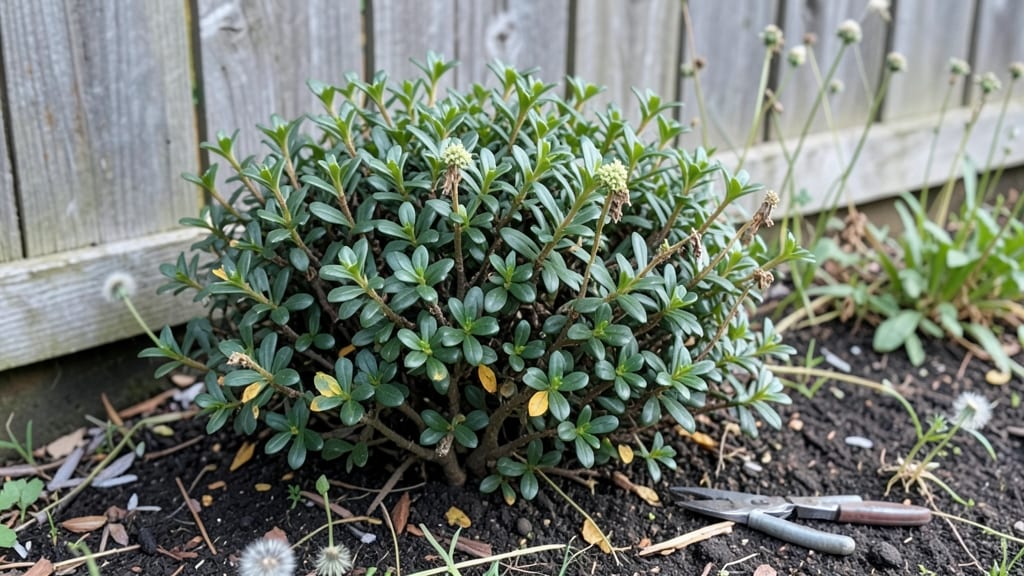
Pruning evergreen shrubs keeps them looking sharp and thriving for decades—if you do it right. 🌿 I’ve turned overgrown junipers and straggly boxwoods into tidy, bushy powerhouses by following a few simple rules, and you can too.
The key is knowing when to cut, how much to remove, and which tools to use without damaging the plant.
Most people wait until spring, but evergreens actually handle pruning best in late winter or early spring before new growth starts. You’ll need sharp bypass pruners, loppers for thicker branches, and a sturdy ladder—no dull tools or guesswork here.
Start by removing dead or crossing branches first, then shape the outer edges for that clean, polished look.
By the time you’re done, your shrubs will have denser foliage, fewer brown patches, and that just-planted freshness all year. The secret is light cuts—never more than a third of the plant’s growth—and always cutting just above a leaf or bud.
You’ll see the difference in just a few weeks.
Works for boxwoods, hollies, junipers, and even those unruly arborvitaes. Let’s get those shears ready—your shrubs will thank you for years to come.
📚 In This Guide
- What you need
- Instructions
- Tips and common mistakes
- Wrapping up and next steps
What you need
- ● Pruning shears: Bypass pruners (for clean cuts on small branches, 4-6" blades) – 1 pair.
- ● Loppers: Bypass or anvil type (for thicker branches, 8-12" blades) – 1 pair.
- ● Pruning saw: Curved or folding saw (for branches thicker than 1.5", 10-12" blade) – 1.
- ● Gloves: Heavy-duty, cut-resistant (to protect hands from thorns or sharp edges) – 1 pair.
- ● Disinfectant: Rubbing alcohol (70%+) or bleach solution (1 part bleach to 9 parts water) (to sterilize tools between cuts) – small bottle.
- ● Sharpie or marker: (for labeling branches if rejuvenating) – 1.
- ● Heavy-duty trash bags: (for collecting pruned branches) – 2-3 bags.
- ● Ladder or step stool: (if shrubs are taller than 6 feet) – 1.
- ● Hand pruners: Mini bypass pruners (for precision trimming on small branches) – 1 pair.
- ● Pruning sealant: (for large cuts to prevent disease entry) – small tube.
- ● Garden kneeler or pad: (for comfort when working close to the ground).
- ● Work gloves: (if your shrubs have prickly leaves).
- ● Wheelbarrow or cart: (for hauling larger pruned branches).
Step-by-Step guide to pruning evergreen shrubs for healthy growth
Evergreens stay green year-round because they deserve regular pruning. Here's how to keep them lush without harming their natural shape.
✂️ Step 1: Choose the Right Time to Prune
Prune evergreens in late winter or early spring, just before new growth begins. This timing lets you shape the plant while it's dormant, reducing stress. Avoid pruning in summer or fall—hot weather stresses plants, and cold snaps can damage fresh cuts. I always check my local frost dates to plan ahead.
For heavily overgrown shrubs, you can do light pruning in summer to control size, but never remove more than 25% of the foliage at once. This prevents shock and keeps the plant healthy. Watch for new growth—when you see fresh, bright green tips emerging, that's your cue to start shaping.
✂️ Step 2: Gather the Right Tools and Prepare the Shrub
Use sharp, clean pruning shears for small branches and loppers for thicker stems. Disinfect your tools with rubbing alcohol before and after pruning to prevent spreading disease. Evergreens like boxwood, juniper, and arborvitae are prone to fungal infections if cuts are made with dirty tools.
Start by removing dead, diseased, or crossing branches first. These are easy to spot—they're brown, brittle, or growing inward. Cut back to a healthy bud or branch junction. If the shrub is very overgrown, step back and visualize the shape you want before making any cuts. This helps you avoid over-pruning.
✂️ Step 3: Shape the Shrub for Balance and Airflow
Prune to maintain the shrub's natural shape while encouraging open, airy growth. Start at the top and work your way down, making cuts just above a leaf node or outward-facing bud. This ensures new growth fills in nicely. Avoid cutting into old wood—evergreens don’t regenerate well from bare stems.
For formal shrubs like boxwood, make clean, angled cuts about ¼ inch above the bud. For informal shrubs like juniper, let the natural shape guide you—just remove stray branches that disrupt the flow. Step back often to check your progress. You'll know you're doing it right when the shrub looks fuller and more balanced.
⏰ Step 4: Finish with a Light Cleanup and Maintenance Plan
After pruning, rake up and dispose of all clippings to keep the area tidy. Evergreen clippings can harbor pests, so don’t leave them near the plant. Water the shrub deeply to help it recover, especially if you removed a lot of foliage. Mulch around the base with 2-3 inches of organic mulch to retain moisture and protect roots.
Plan to prune again in 1-2 years, depending on growth rate. Light maintenance pruning in late spring or early summer keeps shrubs looking their best. Avoid heavy pruning in the same season—evergreens need time to recover. If you notice yellowing or sparse growth after pruning, it’s a sign you cut too much. Next time, go lighter.
Tips & tricks for perfect evergreen shrub pruning
Here's what nobody tells you—these tricks will help you prune evergreens like a pro without stressing the plant.
The Timing Secret: Evergreens are tough, but they still need a break. The late winter/early spring timing in Step 1 is crucial because it gives plants time to recover before summer heat. If you must prune in summer, do it in the morning when temperatures are cooler and plants are hydrated. I learned this the hard way after seeing my arborvitae struggle during a heatwave after summer pruning.
Tool Prep Matters: That rubbing alcohol in Step 2 isn't just for cleanliness—it's your first line of defense against fungal diseases. I always keep a small spray bottle of 70% isopropyl alcohol handy for quick tool disinfection between cuts. For stubborn sap buildup on your tools, wipe with a rag soaked in warm, soapy water after each use. This keeps your tools working smoothly and prevents rust.
Visual Cues for Cuts: When shaping in Step 3, look for the "V" shape where branches grow outward—this is your target cutting point. For formal shrubs, imagine a cone shape when looking from above. The ¼-inch rule above the bud is important because it gives new growth room to develop without crowding. If you're unsure about a cut, take a photo first—you can always go back and adjust.
Recovery Strategy: That deep watering in Step 4 isn't just about hydration—it helps wash away any fungal spores that might have landed on fresh cuts. After heavy pruning, I always add a layer of mulch and water again after 24 hours to give roots extra support. This two-step approach makes a noticeable difference in how quickly plants bounce back.
Pro Tips for How Do You Prune Evergreen Shrubs
- Here's what nobody tells you—these tricks will help you prune evergreens like a pro without stressing the plant.
- The Timing Secret: Evergreens are tough, but they still need a break.
- Tool Prep Matters: That rubbing alcohol in Step 2 isn't just for cleanliness—it's your first line of defense against fungal diseases.
Frequently asked questions
Got questions about pruning evergreen shrubs? You’re not alone! Here are answers to the most common concerns—from timing to tools and troubleshooting—to keep your shrubs thriving all year.
When is the best time to prune evergreen shrubs?
For most evergreens, late winter or early spring (just before new growth starts) is ideal. This avoids stressing the plant during dormancy or exposing it to harsh winter conditions. Pro tip: If you’re shaping broadleaf evergreens (like boxwoods), prune lightly after flowering to maintain a neat look.
Can I prune evergreens in summer?
Summer pruning is possible, but it’s riskier. Heavy pruning in hot months can stress the plant, leading to sunburn or pest issues. If you must prune, do it on overcast days and avoid cutting more than one-third of the foliage at once. Quick fix: Water deeply before and after to help recovery.
What if I prune at the wrong time?
Don’t panic! While timing matters, evergreens are resilient. If you prune too late (e.g., mid-summer), focus on light shaping rather than heavy cuts. For early pruning (winter), protect cuts with a thin layer of pruning sealant if your climate is cold to prevent dieback.
How do I prune evergreens that are overgrown or leggy?
Start by removing dead or diseased branches first. For leggy growth, cut back to a healthy bud or lateral branch. Avoid “topping” (cutting the top flat)—this encourages weak growth. Instead, thin out dense areas to improve airflow and sunlight penetration.
Do I need special tools for pruning evergreens?
Basic tools like bypass pruners (for small branches) and loppers (for thicker stems) work well. For large evergreens, a pruning saw may be needed. Pro move: Sterilize tools with rubbing alcohol between cuts to prevent spreading disease.
What if my evergreen looks sad after pruning?
Yellowing, browning, or sparse growth can signal stress. Check for over-pruning (never cut more than 30% of the foliage at once). If needed, fertilize lightly in spring and ensure proper watering. Most evergreens bounce back in a season—patience is key!
Wrapping up and next steps
Pruning evergreen shrubs doesn’t have to be intimidating—it’s all about timing, technique, and a little patience. 🌿 Whether you’re shaping for aesthetics or promoting growth, the key is to work cleanly and confidently, while respecting each plant’s natural rhythm.
With the right tools and knowledge, you’ll keep your shrubs lush, healthy, and thriving year after year.
Now that you’re equipped with the know-how, roll up your sleeves and get pruning! Start with just one shrub to build your confidence, then expand your skills as you go. Happy gardening—your green space will thank you! 🌱✨