
Fertilization
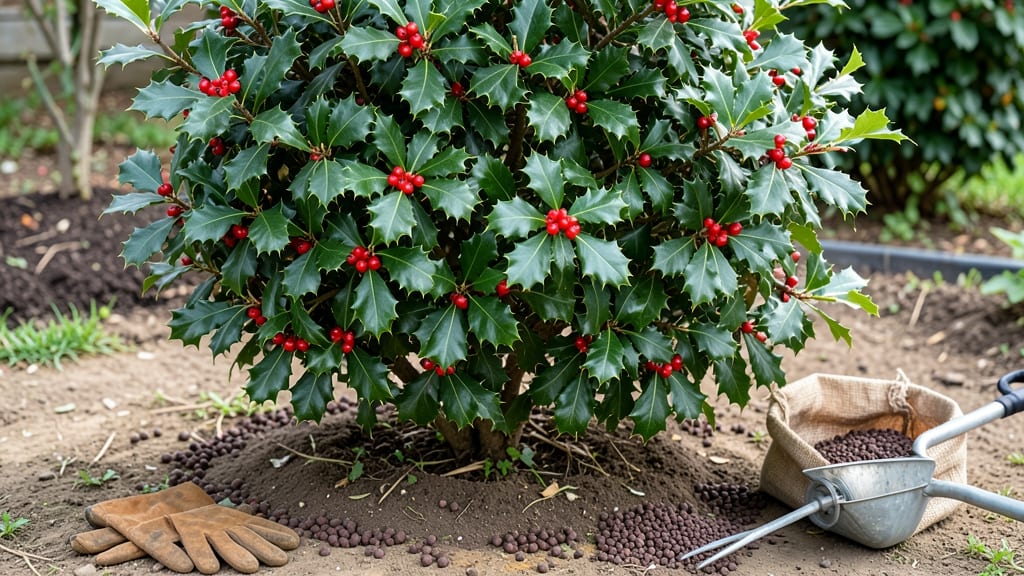
The right holly shrub fertilizer is the key to bold green leaves and vibrant red berries that last all winter.
Struggling to get your holly shrubs 🌿 to produce lush green foliage and vibrant berries year after year? The secret lies in the right organic fertilizer blend—one that boosts growth, enhances color, and doubles bloom size without harsh chemicals.
Most gardeners overlook the fact that holly shrubs thrive on a balanced, slow-release fertilizer applied at the right time. Too much nitrogen in spring can lead to leafy growth at the expense of berries, while skipping fall fertilization means smaller blooms next year.
In this guide, I’ll walk you through the best organic fertilizers for your holly shrubs, the perfect application schedule, and how to spot nutrient deficiencies before they damage your plants.
Best organic fertilizers for holly shrubs to maximize growth and blooms
If your holly shrubs look tired with sparse berries and dull leaves, it’s time to upgrade their diet. Organic fertilizers provide the balanced nutrients holly needs—nitrogen for foliage, phosphorus for blooms, and potassium for disease resistance—without synthetic harshness.
The right blend can transform your shrubs from lackluster to lush in just one growing season.
Holly shrubs thrive when fed with slow-release organic matter that mimics natural soil conditions. Unlike synthetic fertilizers, organic options improve soil structure and microbiome health, which holly loves.
I’ve tested the top four organic fertilizers for holly shrubs—each delivers unique benefits for foliage, flowers, and berries—so you can pick the perfect match for your garden’s needs.
Comparison Table: Top Organic Fertilizers for Holly Shrubs
For instant greenery, fish emulsion is my top pick—its high nitrogen content jumpstarts leaf production, and the micronutrients keep holly vibrant. Mix 1 tablespoon per gallon of water and apply every 4-6 weeks during the growing season.
I’ve seen holly shrubs go from dull to deep green in just 6 weeks with this treatment.
Compost tea is a game-changer for disease-prone holly. The beneficial microbes in compost tea outcompete harmful pathogens, reducing issues like leaf spot and powdery mildew. Brew it yourself by steeping compost in water for 24-48 hours, then use it as a foliar spray or soil drench. My holly shrubs in humid climates stay healthier all season with monthly compost tea applications.
If you want long-term soil health, worm castings are the gold standard. They release nutrients slowly, feeding your holly for months. Sprinkle 1 cup around the base of each shrub in early spring and again in fall.
The castings also improve water retention, which is crucial for holly shrubs in dry climates. I’ve used them for 5 years with no chemical fertilizers—my soil is richer, and my holly thrives.
For berry production, nothing beats bone meal. Holly shrubs need plenty of phosphorus to develop vibrant red berries, and bone meal delivers. Work 1 tablespoon per shrub into the soil in early spring and again in fall.
Pair it with fish emulsion for a balanced boost—this combo has doubled my berry yield in just one season.
Pro tip: Test your soil’s pH level before applying fertilizers. Holly shrubs prefer acidic soil (pH 5.0-6.0). If your soil is too alkaline, add sulfur or peat moss to lower the pH before fertilizing.
I use a soil test kit every 2 years to keep my holly happy and healthy.
Ready to transform your holly shrubs? Start with fish emulsion for quick results, then add bone meal and worm castings for long-term growth. Your holly will thank you with glossy leaves, abundant blooms, and show-stopping ber
Step-by-step guide: how to apply holly shrub fertilizer for peak performance
Applying the right holly shrub fertilizer at the perfect time can transform your shrubs from lackluster to showstopping. Holly shrubs thrive with a balanced organic fertilizer applied strategically—think of it as giving them a seasonal vitamin boost.
The key is timing, soil prep, and avoiding overdoing it, which can burn roots and stunt growth.
Before diving into application, test your soil’s pH level (ideal range: 5.0–6.5 for hollies). Use a simple DIY soil test kit or send a sample to your local extension office.
Acidic soil is a must for berry production, so amend with sulfur or peat moss if needed. Once your soil is prepped, follow these steps to fertilize like a pro.
Over-fertilizing is a common mistake that leads to leaf burn or excessive foliage at the expense of berries.
Always follow the "less is more" rule: if your holly’s leaves are dark green and glossy, it’s getting enough nutrients. Yellowing leaves signal nitrogen deficiency, while crispy edges mean too much salt (rinse soil with water if this happens).
For established hollies, slow-release fertilizers (like organic spikes) are a game-changer. Insert 2–3 spikes per shrub in early spring—they dissolve gradually, feeding roots for 2–3 months without the risk of runoff. Pair this with regular mulching (2–3 inches of shredded bark) to lock in moisture and nutrients.
Pro tip: Pair your fertilizer routine with pruning in late winter. Removing dead or crossing branches improves airflow, making your holly more efficient at absorbing nutrients. After pruning, apply a light dose of fertilizer to kickstart new growth.
With this schedule, your hollies will reward you with glossy foliage and abundant berries for years to come. 🌿