
Shrubs
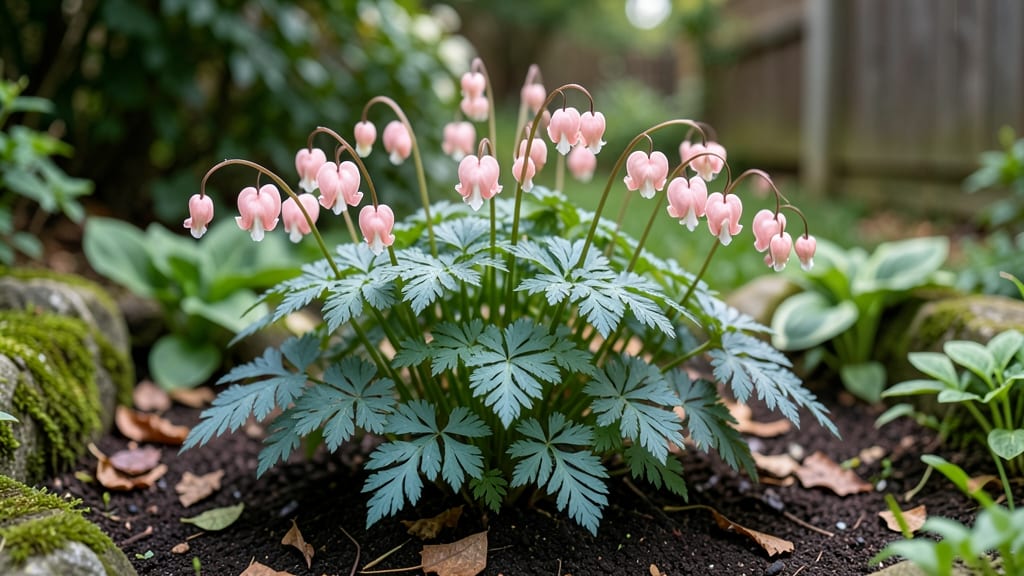
Growing a bleeding heart shrub (Dicentra spectabilis) turns your shady garden corner into a heart-shaped dream—and it’s simpler than you’d think. 🌿 I’ve watched these delicate blooms transform bare spots into lush, romantic displays, all with just three straightforward steps.
The key is moist, well-draining soil in partial shade, along with consistent watering to keep those fern-like leaves plump. These shrubs thrive where others struggle—think dappled light under trees or along north-facing walls.
Plant them in early spring or fall, and you’ll see those iconic pink or white heart-shaped flowers by late spring. Once established, they’re low-maintenance, but a light pruning after blooming keeps them tidy. Mulch helps retain moisture, and dividing clumps every few years prevents overcrowding.
No fuss, just foolproof beauty that lasts for years. Perfect for woodland gardens, cottage-style plantings, or even containers. Let’s get those roots in the ground!
📚 In This Guide
- What you need
- Instructions
- Tips and common mistakes
- Wrapping up and next steps
What you need
- ● Bleeding heart shrub (Dicentra spectabilis) – Choose a thornless variety like 'Alba' or 'Gold Heart' from a reputable nursery or online plant shop.
- ● Well-draining potting mix – A high-quality, organic blend (e.g., Miracle-Gro Potting Mix or FoxFarm Ocean Forest) for planting.
- ● Garden soil (if planting outdoors) – Amend with 2-3 inches of compost or aged manure to enrich the soil.
- ● 5-gallon container or garden bed – Ensure it has at least 12-18 inches of depth for root growth.
- ● Slow-release fertilizer – Look for a balanced 10-10-10 or 20-20-20 NPK formula to support blooming.
- ○ Mulch (optional but recommended) – Use 2-3 inches of shredded bark or wood chips to retain moisture and suppress weeds.
- ● Garden trowel or shovel – For digging and transplanting.
- ● Pruning shears – Sterilized shears for trimming dead foliage or shaping the plant.
- ● Watering can or hose with a gentle spray nozzle – Avoid over-saturating the soil.
- ○ Gloves (optional) – Protect your hands from soil and thorns (if using non-thornless varieties).
- ○ pH testing kit (optional) – Ideal soil pH for bleeding heart shrubs is 6.0-7.0.
- ● Location: Choose a partially shaded spot (3-6 hours of morning sun). Avoid harsh afternoon sunlight.
- ● Watering schedule: Keep soil consistently moist but not soggy—especially during the first year.
- ● Pruning time: Trim back dead or yellowing leaves in early spring before new growth appears. ✂️
- ● Winter prep: In colder climates, add a layer of mulch (3-4 inches) to insulate roots.
Step-by-step instructions for cultivating bleeding heart shrubs
Here's how I've mastered growing these stunning, thornless beauties—no complicated steps required.
🌱 Step 1: Choose the Perfect Planting Spot
Bleeding heart shrubs thrive in partial shade, receiving 4-6 hours of morning sun and afternoon shade. I always look for spots near north-facing walls or under tall trees where roots stay cool but foliage gets filtered light. The ideal location has well-draining soil—these shrubs hate soggy roots.
Test your soil by digging a 6-inch deep hole—if water pools after 30 minutes, amend with 2-3 inches of compost or plant in a raised bed. I've seen these shrubs struggle in heavy clay, so don't skip this check. The soil pH should be slightly acidic (6.0-6.5)—most garden centers sell simple test kits for under $10.
☀️ Step 2: Plant at the Right Depth and Spacing
Dig a hole twice as wide as the root ball but only as deep as the container—planting too deep suffocates roots. Gently remove the shrub from its container and loosen any circling roots with your fingers. Place it in the hole so the top of the root ball sits level with the surrounding soil—this prevents rot from water pooling.
Space multiple shrubs 4-6 feet apart—they'll spread over time, and crowding leads to weak stems and fewer blooms. Backfill with native soil mixed with 1 inch of compost, then water deeply to settle everything. I always add a 2-inch layer of mulch (wood chips or shredded bark) to retain moisture and regulate temperature.
💧 Step 3: Water and Feed for Consistent Blooms
Water deeply once a week during the first growing season, aiming for 1-1.5 inches of water per week. You'll know you've watered enough when the soil feels damp 2-3 inches down—stick your finger in to check. Overwatering causes yellow leaves, while underwatering leads to crispy edges. After the first year, these shrubs become drought-tolerant once established.
Feed with a balanced 10-10-10 fertilizer in early spring, just as new growth appears. I use ½ cup per shrub, worked into the top 2 inches of soil. Avoid high-nitrogen fertilizers—they promote leafy growth at the expense of those signature heart-shaped flowers. Prune spent blooms in late summer to encourage a second flush, but never cut into old wood—it won't regrow.
✂️ Step 4: Prune and Maintain for Long-Term Health
Prune immediately after flowering to shape the shrub and encourage next year's blooms. Remove dead or crossing branches first, then trim back any leggy growth by ⅓ of its length. I always use clean, sharp pruners to avoid tearing bark, which invites disease. Never prune in fall—new growth won't harden off before winter.
Watch for aphids or spider mites on new growth—these shrubs are relatively pest-resistant, but a strong spray of water usually clears them up. If leaves yellow in spring, it's often a sign of iron deficiency—apply a chelated iron supplement according to package directions. With proper care, your bleeding heart shrub will reward you with 10+ years of dramatic blooms.
Tips & tricks for perfect bleeding heart shrubs
Here's what I've learned after nurturing these beauties for years—simple secrets that make all the difference.
Location Intelligence: When selecting your spot, pay special attention to the 4-6 hours of morning sun requirement. I've found that east-facing windows or the north side of your home provide the perfect balance—morning light builds energy without scorching the delicate foliage. If you're planting in containers, choose ones with drainage holes and use a well-draining potting mix with perlite or sand to prevent root rot.
Soil Secrets: That 6-inch deep hole test** is crucial—don't skip it! I've seen bleeding heart shrubs decline rapidly in heavy clay because their roots need oxygen. If amending isn't possible, consider raised beds or container growing. For the 2-3 inches of compost, I recommend a mix of organic matter and native soil to maintain the right texture while encouraging beneficial microbes.
Pruning Precision: When trimming back leggy growth by ⅓ of its length in Step 4, focus on creating an open center that allows air circulation. This prevents fungal issues and encourages more abundant blooms. I always sterilize my pruners with rubbing alcohol between cuts to prevent spreading disease—it's a small step that makes a big difference in long-term health.
Watering Wisdom: The 1-1.5 inches of water per week guideline assumes average rainfall. In hotter climates, you may need to supplement with drip irrigation early in the morning to prevent evaporation. I've noticed that watering at the base rather than overhead helps maintain those signature heart-shaped blooms by keeping foliage dry, which reduces fungal risks.
Pro Tips for Bleeding Heart Shrub
- Here's what I've learned after nurturing these beauties for years—simple secrets that make all the difference.
- Location Intelligence: When selecting your spot, pay special attention to the 4-6 hours of morning sun requirement.
- Soil Secrets: That 6-inch deep hole test** is crucial—don't skip it!
Frequently asked questions
Got questions about growing and caring for your bleeding heart shrub? You’re not alone! Here are some of the most common queries—plus quick, practical answers to keep your plant thriving.
How fast does a bleeding heart shrub grow, and when will it bloom?
A healthy bleeding heart shrub (like Dicentra spectabilis) grows about 12–18 inches per year under ideal conditions. With proper care—partial shade, moist soil, and regular watering—you can expect spring blooms within 1–2 years after planting. Patience pays off, as the first flowers are worth the wait!
Why aren’t my bleeding heart shrubs blooming?
No flowers? Don’t panic! Common culprits include:
- Too much sun: These shrubs thrive in partial shade (3–6 hours of morning sun). Too much direct sun can stress them out.
- Over-fertilizing: Too many nutrients (especially nitrogen) can lead to lush foliage but no blooms. Use a balanced, low-phosphorus fertilizer in early spring.
- Dormant period: If planted recently, give it a year to establish roots. Bleeding hearts often bloom once per year (spring) and enter summer dormancy.
Can bleeding heart shrubs survive winter, and how do I protect them?
Yes! These hardy perennials (zones 3–9) handle winter well, but a little extra care helps. Mulch the base with 2–3 inches of organic mulch (like shredded bark or leaves) in late fall to insulate roots. Avoid heavy mulch that could suffocate the plant. In extreme cold zones (below 0°F), add a light layer of burlap over the foliage for extra protection.
What are some low-maintenance alternatives to bleeding heart shrubs?
If you love the dramatic, heart-shaped blooms but want easier care, try these low-maintenance perennials:
- Japanese Anemone (Anemone × hybrida): Thrives in shade, blooms late summer/fall, and handles drought better.
- Astilbe (Astilbe spp.): Feathery plumes in pink/white, loves moist soil, and reblooms if deadheaded.
- Lungwort (Pulmonaria spp.): Early spring blooms, drought-tolerant once established, and attracts pollinators.
- Hellebore (Helleborus niger): "Christmas rose" blooms in winter/early spring; nearly indestructible!
Are bleeding heart shrubs deer-resistant, and how do I keep pests away?
While not fully deer-proof, bleeding hearts are less appealing than other plants—deer usually avoid them unless food is scarce. For pests like slugs, snails, or aphids, try these tricks:
- Set up beer traps (bury a shallow dish filled with beer near the plant—slugs crawl in and drown).
- Apply diatomaceous earth (food-grade) around the base to deter soft-bodied pests.
- Spray with neem oil (mix 1 tbsp with 1 quart water) for aphids—safe and effective!
Wrapping up and next steps
Growing a bleeding heart shrub is a rewarding journey that brings delicate beauty and effortless charm to your garden. With the right location, soil, and care, you’ll enjoy its stunning blooms year after year—without the hassle of thorns or high maintenance. 🌸
Ready to transform your outdoor space? Start by planting your shrub this season, then monitor its progress with love and patience. Before you know it, your garden will be bursting with romantic, heart-shaped flowers that’ll make neighbors stop and admire!
Next step: Grab your gloves, pick a sunny spot, and get growing—your thornless masterpiece awaits! 🌿