
Shrubs
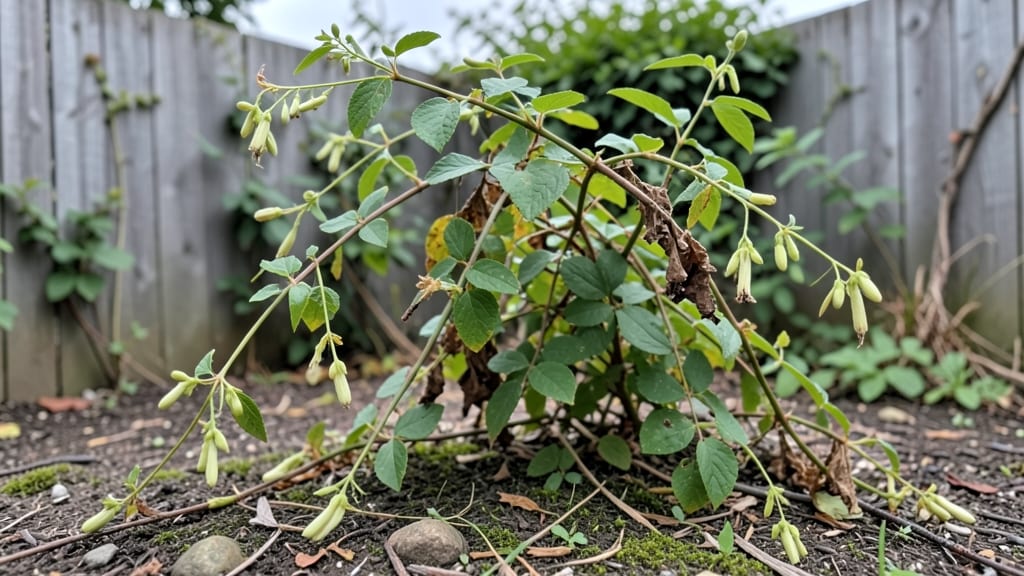
Sun-loving shrubs with greenish-yellow foliage bring sunshine to your garden even when nothing else blooms. 🌿 I’ve grown these standout varieties for years, and they’re the secret to a garden that pops with color from spring through winter.
The key is matching the right plant to your light and soil—some thrive in full sun, while others handle partial shade better.
Think Forsythia with its bright yellow stems that appear before leaves, or Buddleia with silvery foliage that glows in the sun. Ligustrum varieties offer glossy, chartreuse leaves year-round, while Spirea delivers clusters of tiny flowers that contrast beautifully with its golden-green foliage.
These shrubs handle drought once established and need minimal pruning to keep their shape.
You’ll love how they brighten shady corners or anchor sunny borders with their bold hues. The foliage stays vibrant even in winter, and some varieties attract pollinators all season long. With the right placement, you’ll have a low-maintenance garden feature that’s always the first thing visitors notice.
Perfect for foundation plantings, mixed borders, or even container gardens. Let’s find the one that fits your space and sunlight perfectly!
Underlying Causes Of Foliage Discoloration
If your once-vibrant shrub has taken on a greenish-yellow hue, don’t panic—this shift often stems from specific environmental or physiological triggers. Understanding these causes can help you diagnose the issue and restore your shrub’s natural luster.
Below, we break down the most common reasons why foliage turns this unusual shade, along with actionable insights to address them.
A greenish-yellow tint in shrub leaves is often a cry for help from your plant’s nutritional needs. While green indicates chlorophyll (the plant’s energy producer), a yellowish cast suggests a deficiency in essential nutrients. Here’s what’s likely missing and how to fix it:
- 💡 Nitrogen Shortage:
Nitrogen is the building block of chlorophyll, and without it, leaves lose their deep green color, turning pale or yellowish. This is especially common in fast-growing shrubs or those in nutrient-poor soil.
Actionable Fix: Apply a balanced organic fertilizer (like compost or fish emulsion) or a slow-release granular fertilizer high in nitrogen (look for a 30-10-10 ratio). For quick results, use a liquid nitrogen booster.
- 🌡️ Iron or Magnesium Deficiency (Chlorosis):
If the yellowing is interveinal (between veins), your shrub may be suffering from chlorosis, often caused by iron or magnesium deficiencies. This is common in alkaline soils, which lock out these nutrients.
Actionable Fix:
- Test your soil’s pH—ideal for most shrubs is 6.0–7.0. If it’s alkaline (>7.0), amend with sulfur or peat moss to lower pH.
- Apply chelated iron supplements (like iron sulfate) or use Epsom salt (magnesium sulfate) for magnesium deficiencies. Follow package instructions for dosage.
- For container-grown shrubs, flush the soil with chelated micronutrients every 3–4 months.
- ✨ Over-Fertilization (Burn Risk):
Too much fertilizer—especially synthetic types—can burn roots, preventing nutrient uptake and causing yellowing. This often appears as crispy or browned edges alongside the greenish tint.
Actionable Fix: Flush the soil with water to leach excess salts, then switch to organic, slow-release fertilizers. Reduce frequency to every 6–8 weeks in growing seasons.
Shrubs are resilient, but extreme or inconsistent conditions can trigger stress responses, including greenish-yellow foliage. Here’s how to spot and solve environmental culprits:
| Stressor | Signs | Solution |
|---|---|---|
| 🔥 Too Much Sun (Sun Scorch) |
Leaves may appear bleached or yellowish with crispy edges, especially on south- or west-facing exposures. Common in newly planted shrubs or drought-prone varieties. |
Provide afternoon shade (use shade cloth or plant near taller shrubs). Water deeply 2–3 times per week during heatwaves. Mulch with 2–3 inches of organic mulch to retain moisture. |
| 💧 Overwatering or Poor Drainage |
Yellowing leaves with soggy soil or root rot (black, mushy roots) indicate overwatering. Common in clay-heavy soils or containers without drainage. |
Improve drainage by amending soil with perlite or compost. Water only when the top 1–2 inches of soil are dry. For containers, ensure pots have drainage holes and elevate them slightly. |
| 🌡️ Temperature Fluctuations |
Sudden cold snaps or late-season frosts can cause leaves to turn yellowish-green as the plant struggles to recover. Heat stress (above 90°F) can also trigger this. |
Protect shrubs with burlap wraps or frost cloth in winter. In summer, provide light shade during peak heat. Choose heat-tolerant varieties (like Abelia or Olearia) for hot climates. |
While less common, pests and pathogens can drain nutrients or block sunlight, leading to a greenish-yellow appearance. Here’s how to identify and combat them:
- 🐜 Sap-Sucking Insects (Aphids, Spider Mites, Scale)
These pests extract sap, weakening the shrub and causing leaves to yellow. Check the undersides of leaves for tiny insects or webbing.
Actionable Fix:
- Blast off pests with a strong stream of water.
- Apply neem oil or insecticidal soap (repeat every 5–7 days).
- Introduce beneficial insects like ladybugs or lacewings.
- 🍄 Fungal Infections (Powdery Mildew, Leaf Spot)
Fungal diseases thrive in humid, poorly ventilated conditions, causing yellowing spots or a white powdery coating. Common in dense shrubbery or after rain.
Actionable Fix:
- Prune for better airflow—remove crowded branches.
- Apply copper fungicide or baking soda spray (1 tsp baking soda + 1 quart water + a drop of dish soap).
- Water early in the day to allow foliage to dry.
- 🐛 Root-Boring Insects (Borers, Grubs)
If yellowing spreads from the bottom up, root damage from borers or grubs may be to blame. Look for sawdust-like frass near the base.
Actionable Fix:
- Apply beneficial nematodes (like Heterorhabditis bacteriophora) to the soil.
- Use granular insecticides (e.g., imidacloprid) as a last resort
Revitalize Your Shrub’s Health
If your once-vibrant shrub has taken on a greenish-yellow tint, don’t panic—there are practical ways to nurse it back to full, lush glory. The key is identifying the root cause (from the previous section) and applying targeted fixes.
Below, we’ve mapped out simple, actionable solutions for each common issue, plus preventative tips to keep your shrub thriving long-term.
If your shrub’s yellowing leaves stem from a lack of essential nutrients, a quick soil boost can work wonders.
🔥 Step 1: Test Your Soil (Optional but Helpful)
Before diving into fertilizers, grab a DIY soil test kit (or send a sample to a local extension office). This tells you exactly what’s missing—whether it’s nitrogen, iron, magnesium, or something else.
🍳 Step 2: Apply the Right Fertilizer
Use a balanced, slow-release fertilizer
(like a 10-10-10 or 20-20-20 formula) for general health. For specific deficiencies: Apply fertilizer in early spring (when new growth starts) and mid-summer. Avoid overdoing it—too much can burn roots! Water deeply after applying to help nutrients absorb. Mulch annually with 2–3 inches of organic mulch (like shredded bark or compost) to retain moisture and slowly release nutrients. Rotate crops (if growing edibles nearby) to prevent nutrient depletion. Too much or too little sun and water can stress shrubs, leading to that unappealing greenish-yellow hue. If your shrub is overwatered (yellow, mushy leaves) or underwatered (crispy, dull edges): Most sun-loving shrubs (like Abelia, Butterfly Bush, or Loropetalum) need 6+ hours of direct sun daily. If yours is in too much shade: If it’s getting scorched by intense afternoon sun, provide light afternoon shade (like a sheer curtain or lattice) during peak heat. Group shrubs with similar water needs together in your landscape to simplify care. Use drip irrigation for consistent moisture, especially in dry climates. Fungal infections, spider mites, or aphids can drain a shrub’s vitality, causing discoloration. If leaves have white powdery spots or orange rust patches: For sticky leaves (aphids) or tiny webs (spider mites): Improve air circulation by spacing shrubs 3–5 feet apart. Clean up fallen leaves regularly to reduce fungal spores. Water at the base (not overhead) to keep foliage dry. Overgrown or poorly pruned shrubs struggle to stay healthy. A little strategic trimming can make a big difference. Prune in late winter or early spring (before new growth starts) to encourage vibrant foliage: Use sterilized pruners (wipe with rubbing alcohol) to prevent spreading disease. Never prune when the plant is wet—this can introduce infections. With these targeted fixes, your shrub should bounce back to its vibrant, healthy self in just a few weeks. The key is consistency—stick with the right care routine, and you’ll enjoy lush, colorful foliage year-round! 🌿💚
👨🍳 Step 3: Feed at the Right Time
💡 Prevention Tip:
🌡️ Adjust Watering for Stress Relief
🔄 Optimize Sun Exposure
✨ Prevention Tip:
🔪 Combat Fungal Issues (Powdery Mildew, Rust)
🐜 Eliminate Pests (Aphids, Spider Mites)
🎯 Prevention Tip:
⏰ When & How to Prune
💡 Pro Tip:
Frequently asked questions
What are the most common shrubs with greenish-yellow foliage?
Top choices include Forsythia (bright yellow stems), Ligustrum (glossy chartreuse leaves), Buddleia (silvery foliage), and Spiraea (golden-green leaves with pink flowers). These thrive in full sun and add vibrant color to gardens year-round.
Why does my shrub have yellowish leaves instead of its usual green?
Yellowing often signals nutrient deficiencies (like nitrogen or iron), overwatering, or sun stress. Check soil pH—alkaline soils block iron uptake. Apply chelated iron or compost, and adjust watering to 1-2 inches dry between waterings for most shrubs.
Can I grow these shrubs in containers?
Yes! Compact varieties like Dwarf Forsythia or Miniature Spirea thrive in containers (12"+ pots). Use well-draining potting mix with perlite, and place them in 6+ hours of sunlight daily. Water when topsoil feels dry to touch.
How do I prevent yellow leaves in my shrubs?
Mulch with 2-3 inches of organic material, fertilize in early spring, and avoid overwatering. Prune for airflow, and test soil pH annually—most shrubs prefer 6.0-7.0. For containers, refresh soil every 2 years.
Are greenish-yellow shrubs deer-resistant?
Some varieties like Abelia or Olearia are moderately deer-resistant, but most shrubs (including Forsythia) may be browsed. Apply deer repellent or plant near thorny barriers like roses.