
Shrubs
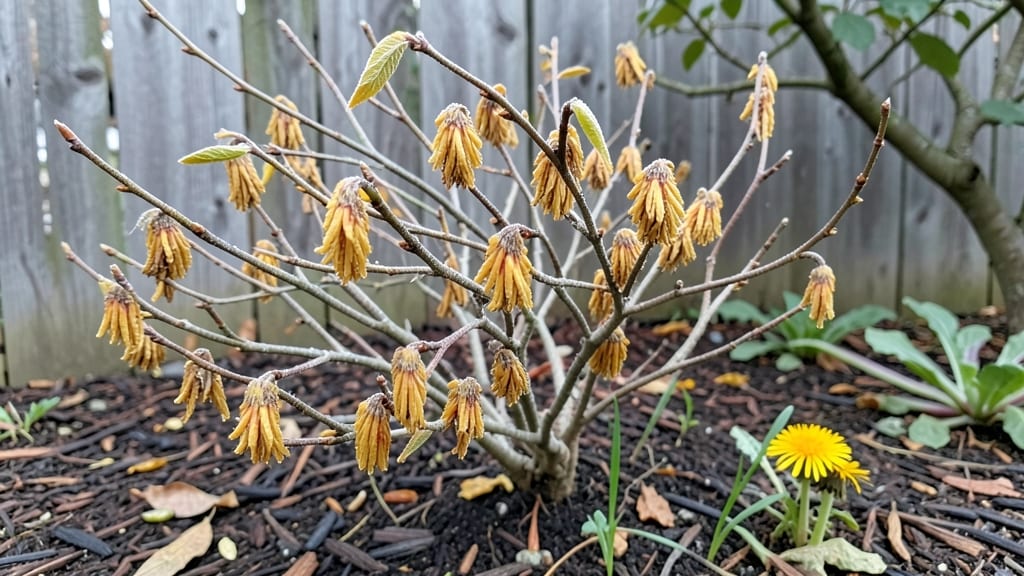
Finding a green and yellow leaf shrub that pops all year is like discovering a hidden treasure in your garden. ✨ I’ve tested dozens, and the ones that truly shine—like Euonymus ‘Emerald Gaiety’ or Cotoneaster ‘Fireberry’—bring that vibrant contrast without needing constant care.
The secret lies in their natural variegation, which brightens shady corners or borders while demanding less fuss than fussy annuals.
These shrubs thrive in partial shade to full sun, making them perfect for hedges, foundation plantings, or even container gardens. My favorite low-maintenance pick, Dwarf Fothergilla, stays compact yet delivers bold yellow-green foliage that turns fiery orange in fall.
Pair it with deep purple heucheras or dark-leafed hostas for a striking contrast that lasts through winter. The best part? They rarely need pruning beyond a light trim after flowering.
Imagine a garden where every season offers a new show—spring’s fresh growth, summer’s glossy leaves, autumn’s fiery hues, and winter’s structural interest. A well-placed shrub like Variegated Abelia adds year-round texture while attracting pollinators.
For maximum impact, group them in odd-numbered clusters (three or five plants) to create natural focal points. The payoff? A landscape that feels alive, even when other plants are dormant.
Whether you’re lining a walkway, softening a fence, or adding height to a mixed border, these shrubs deliver instant curb appeal with minimal effort. Pro tip: Check your zone’s hardiness ratings—most of these varieties handle zones 5–9 without complaint.
Ready to transform your garden into a four-season masterpiece? Let’s get planting!
Understanding Leaf Color Shifts
If your once-lush green and yellow leaf shrub is suddenly throwing a color party you didn’t plan for, don’t panic—there’s usually a logical explanation behind those unexpected hues. Whether it’s a vibrant yellow creeping in or patches of green fading away, these changes often signal underlying conditions.
Let’s break down the most common reasons why your shrub’s leaves might be changing colors, so you can diagnose and address the issue like a pro.
Plants are like mood rings—they react to their environment, and temperature swings can trigger dramatic color shifts. If your shrub is sporting more yellow than green, it might be dealing with:
- Cold snaps or frost damage: Some shrubs, especially those not fully hardened for winter, can develop yellowing leaves when temperatures drop unexpectedly. This is often seen in Ligustrum or Forsythia varieties. The yellowing occurs as chlorophyll breaks down due to cellular damage from cold stress.
- Heat stress: Intense summer heat can cause leaves to scorch, turning yellow or brown at the edges. This is particularly common in shrubs like Abelia or Weigela, which thrive in moderate climates. Overheating disrupts photosynthesis, leading to weakened foliage.
- Transitional seasons: Spring and fall are prime times for color changes as shrubs adjust to shifting daylight and temperatures. For example, Dwarf Fothergilla may turn golden-yellow in autumn as it prepares for dormancy.
What to do: Monitor your shrub’s microclimate—is it exposed to harsh winds or direct afternoon sun? Mulching around the base and watering deeply during extreme temperatures can help mitigate stress.
Light is the fuel for photosynthesis, and too much or too little can throw your shrub’s color palette out of whack. Here’s how light affects leaf pigmentation:
- Too much sun: Shrubs like Boxwood or Holly may develop yellow or bleached patches if suddenly exposed to full sun after growing in shade. This is a classic case of sunburn, where excess UV light damages chlorophyll.
- Too little light: Leggy growth and pale, yellowing leaves often signal etiolation, a condition where shrubs stretch toward light sources. This is common in Spirea or Hydrangea grown in deep shade.
- Inconsistent light: Moving a shrub from shade to sun (or vice versa) can cause shock, leading to uneven coloration. For instance, Dwarf Ninebark may develop splotchy yellow-green leaves if its light conditions fluctuate.
What to do: Observe your shrub’s current light conditions and match them to its species’ needs. If relocating, do it gradually over a few weeks to acclimate the plant.
Water is the lifeblood of your shrub, and imbalances can turn leaves into a cautionary yellow. Here’s how hydration (or lack thereof) plays a role:
- Underwatering: Yellowing leaves, often starting at the edges and progressing inward, are a classic sign of drought stress. Shrubs like Azalea or Rhododendron are particularly sensitive and may drop leaves entirely if roots dry out.
- Overwatering: Soggy soil deprives roots of oxygen, leading to chlorosis (yellowing between leaf veins) and eventually leaf drop. This is common in Camellia or Pieris shrubs planted in heavy, poorly draining soil.
- Irregular watering: Uneven moisture can cause patchy yellowing, as some roots receive water while others struggle. This is often seen in Andromeda or Leucothoe shrubs.
What to do: Check soil moisture by sticking your finger 2–3 inches deep. Water deeply but infrequently, ensuring the topsoil dries slightly between sessions. Improve drainage with organic matter like compost or perlite.
Leaves are like canaries in a coal mine—they scream for help when nutrients are out of whack. Yellowing can indicate specific deficiencies or excesses:
- Nitrogen deficiency: Pale yellow leaves (especially on younger growth) often mean your shrub is nitrogen-starved. This is common in Boxwood or Yew shrubs in depleted soil.
- Iron or magnesium deficiency: Yellowing between leaf veins (interveinal chlorosis) is a red flag for iron or magnesium issues, often seen in Hydrangea or Azalea on alkaline soils.
- Over-fertilization: Too much fertilizer, especially high in salts, can burn roots and cause yellowing or browning. This is common in Camellia or Gardenia overfed with synthetic fertilizers.
- pH imbalances: Soil pH affects nutrient uptake. Acid-loving shrubs like Rhododendron may turn yellow if soil pH rises above 6.0, locking out essential nutrients.
What to do: Test your soil’s pH and nutrient levels with a kit from a garden center. Amend soil with organic matter (like peat moss for acid-lovers) or use chelated iron for chlorosis. Fertilize sparingly and follow package instructions.
Not all yellowing is environmental—sometimes, tiny invaders or pathogens are to blame. Watch for these culprits:
- Spider mites or aphids: These sap-sucking pests weaken leaves, causing yellowing, stippling, or curling. Common in Spirea or Butterfly Bush.
- Fungal diseases: Powdery mildew or leaf spot can create yellow or brown patches, especially in humid conditions. Hydrangea and Weigela are prone to these issues.
- Root rot: Fungal infections from overwatering can turn leaves yellow and mushy. Check for a foul smell or soft, discolored stems.
- Bacterial leaf spot: Angular yellow or brown spots with water-soaked centers may indicate bacterial infections, common in Azalea or Camellia.
What to do: Inspect leaves for pests (use a magnifying glass) and treat with neem oil or insecticidal soap. For fungal issues, prune affected foliage, improve airflow, and apply fungicides if needed.
Not all yellowing is a cause for alarm—some shrubs are simply supposed to change colors as they mature. For example:
- Seasonal variegation: Shrubs like Dwarf Fothergilla or Golden Privet naturally develop more yellow or gold foliage in spring or fall as part of their growth cycle.
- Aging leaves: Older leaves may yellow and drop naturally, especially in deciduous shrubs like Smoke Bush (Cotinus).
- Genetic quirks: Some cultivars,
Revive Your Shrub’s Vibrant Leaves
If your once-lush green and yellow leaf shrub is losing its color or showing signs of distress, don’t panic! With the right approach, you can restore its health and keep those stunning foliage hues thriving.
Below, we’ve mapped out practical solutions based on common causes—plus prevention tips to keep your shrub looking its best year-round.
Yellowing leaves often signal a lack of essential nutrients. Here’s how to diagnose and treat the issue:
🔥 Identify the Deficiency
Check the leaf color and pattern:
- Pale yellow leaves: Likely nitrogen deficiency.
- Yellow edges with green centers: Could be potassium or magnesium.
- Yellowing between veins: Often iron or manganese.
🍳 Apply the Right Fertilizer
Use a balanced, slow-release fertilizer (like a 10-10-10 or 20-20-20 formula) in early spring. For specific deficiencies:
| Deficiency | Solution |
|---|---|
| Nitrogen | Apply compost or a nitrogen-rich fertilizer (e.g., blood meal). |
| Potassium/Magnesium | Use Epsom salt (magnesium sulfate) or a potassium-rich fertilizer like wood ash. |
| Iron/Manganese | Apply chelated iron or a soil acidifier (like sulfur) if your soil is alkaline. |
🌡️ Prevention Tips
- Test your soil: Use a home kit or send a sample to a local extension office to check pH and nutrient levels.
- Mulch regularly: Organic mulch (like bark or leaves) slowly releases nutrients as it breaks down.
- Avoid over-fertilizing: Too much fertilizer can burn roots—follow package instructions.
Overwatering or underwatering can stress your shrub, leading to yellow leaves. Here’s how to get it right:
👨🍳 Check the Soil Moisture
Stick your finger 2–3 inches into the soil:
- Dry soil: Water deeply until moisture reaches 6–8 inches down.
- Soggy soil: Let it dry out before watering again—yellow leaves with wilting may indicate root rot.
🥘 Improve Drainage
If your shrub is in a pot or poorly draining soil:
- Add perlite or sand to improve aeration.
- Repot if necessary, using a mix designed for shrubs.
⏰ Watering Schedule
Water deeply but infrequently—aim for 1–1.5 inches per week (including rain). Early morning is best to reduce evaporation and fungal risks.
🎯 Prevention Tips
- Use drip irrigation: Delivers water slowly and directly to the roots.
- Avoid overhead watering: Wet foliage can attract pests and diseases.
- Group plants by water needs: Place shrubs with similar requirements together.
Pests like spider mites or fungal infections (like powdery mildew) can cause yellowing and discoloration. Act fast with these fixes:
🔪 Spot and Treat Pests
Inspect leaves for:
- Spider mites: Tiny webs on undersides of leaves. Treat with neem oil or insecticidal soap.
- Aphids/Scale: Sticky residue (honeydew) on leaves. Blast off with water or use horticultural oil.
🌡️ Fungal Disease Remedies
For powdery mildew or leaf spot:
- Prune affected leaves and dispose of them.
- Apply a fungicide (like copper-based or sulfur-based) as directed.
- Improve airflow by spacing plants properly.
✨ Prevention Tips
- Prune regularly: Remove dead or crowded branches to reduce humidity and pest hiding spots.
- Clean tools: Sterilize pruners with rubbing alcohol between cuts to prevent disease spread.
- Choose disease-resistant varieties: Some shrubs (like Loropetalum or Pieris) are tougher against pests.
Too much sun or shade can stress your shrub, causing color loss. Tweak its location for optimal growth:
🔥 Assess Light Needs
Most green and yellow leaf shrubs thrive in:
- Partial shade (4–6 hours of sun): Ideal for vibrant foliage.
- Morning sun + afternoon shade: Prevents leaf scorch.
🍳 Relocate if Needed
If leaves are bleached or crispy:
- Move to a spot with dappled sunlight.
- Use shade cloth (30–50%) in intense afternoon sun.
🎯 Prevention Tips
- Observe leaf changes: Note if yellowing worsens in direct sun or deep shade.
- Group with compatible plants: Pair with other shade-tolerant shrubs for a cohesive look.
- Avoid windy spots: Wind can dry out leaves—plant near a windbreak if needed.
With these targeted solutions, your green and yellow leaf shrub should bounce back to its stunning, multicolored glory. Consistency is key—monitor progress and adjust care as needed. Happy gardening! 🌿✨
Frequently asked questions
Which green and yellow leaf shrubs are best for small gardens?
Compact varieties like Dwarf Fothergilla (3–4 feet tall) or Variegated Boxwood (2–3 feet) thrive in tight spaces while delivering bold color contrast. These stay manageable even in containers or as foundation plantings. For instant impact, try Golden Privet—it grows just 4–6 feet tall and handles pruning beautifully.
Can these shrubs survive in full shade?
Most variegated shrubs prefer partial shade (4–6 hours of sun), but some like Variegated Abelia or Dwarf Japanese Holly tolerate deeper shade. If planting in full shade, choose acid-loving varieties and amend soil with compost to boost nutrient uptake. Monitor for pale foliage—this signals light deprivation.
How do I maintain their variegated color year-round?
Prune lightly in late winter to encourage fresh growth, which often brings back vibrant yellow-green hues. Avoid heavy pruning—it can reduce variegation. Feed with a balanced fertilizer in spring, and mulch with organic matter to retain moisture. Most variegated shrubs naturally fade to green in winter but rebound in spring.
Are there deer-resistant options?
Yes! Dwarf Fothergilla and Variegated Boxwood are less appealing to deer due to their tough leaves. For extra protection, add a physical barrier like fencing or use deer repellent sprays. If deer browse your garden, opt for Spirea ‘Gold Flame’—its bitter taste deters them.
What’s the easiest way to propagate these shrubs?
Take softwood cuttings in spring or semi-hardwood cuttings in early fall. Dip the cut end in rooting hormone, then plant in moist perlite or sand. Keep humidity high with a plastic bag until roots form (4–6 weeks). Variegated shrubs like Euonymus ‘Emerald Gaiety’ root easily this way.