
Shrubs
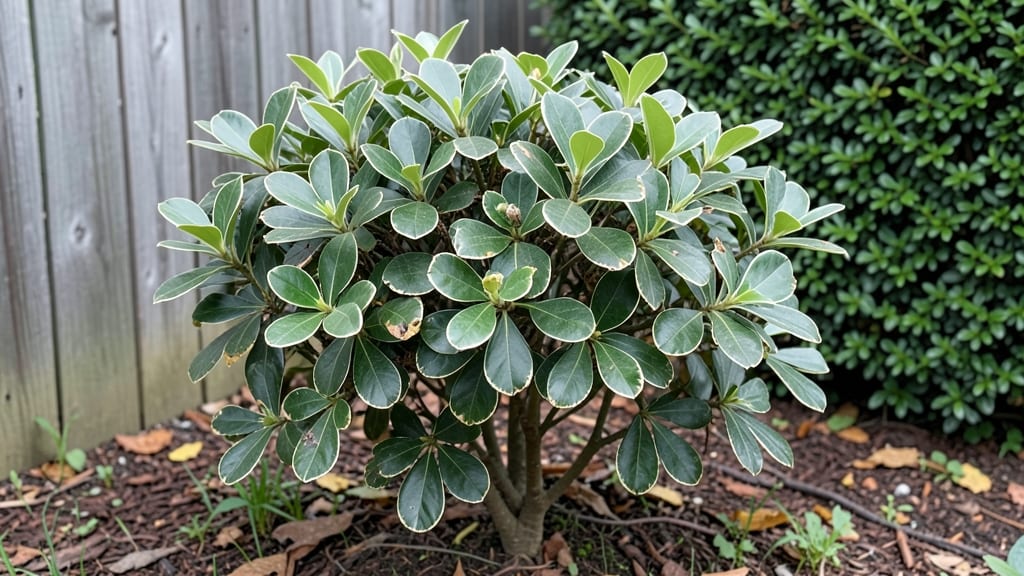
Variegated shrubs with green and white leaves are the unsung heroes of garden design—adding instant drama to borders, hedges, or focal points without needing flowers. I’ve designed entire garden beds around them, and the contrast never fails to turn heads.
These plants thrive in full sun to partial shade, making them versatile for almost any spot in your yard.
The key to keeping their striking coloration is simple: well-draining soil and consistent moisture, but not soggy roots. My variegated boxwoods stay vibrant year-round because I check soil moisture with a finger before watering—no guesswork.
Pair them with deep greens like hostas or purples like lavender to make the white stripes pop even more.
By midsummer, your shrubs will be lush and full, their white edges crisp against the green. Place them near pathways to create a welcoming border or as a dramatic backdrop for perennials. The best part? Their color holds through winter, giving your garden structure even when flowers fade.
Works equally well in formal hedges, cottage-style gardens, or modern landscapes. Let’s find the perfect spot for yours!
Why Leaves Turn Green And White
If your green-and-white variegated shrub is losing its striking contrast—turning all green or developing uneven patches—don’t panic! The cause is usually rooted in plant biology, environmental stress, or cultural mismanagement.
Understanding the science behind these changes helps you restore that eye-catching foliage. Here’s why it happens, broken down by the most common culprits.
Many variegated shrubs (like Dracaena, Euonymus, or Hydrangea) rely on chimeral tissue—layers of cells where some produce chlorophyll (green) while others lack it (white or yellow). When this delicate balance is disrupted, the plant may revert to solid green.
Why it happens:
- Cell division errors: During growth, a mutation can cause the white-producing cells to be "outcompeted" by green cells, leading to a gradual shift. This is especially common in fast-growing shrubs or after pruning.
- Root grafts or propagation mishaps: If a cutting is taken from a non-chimeral part of the plant (e.g., a green shoot), the new shrub may lack variegation entirely.
- Age-related decline: Older shrubs may lose variegation as their meristematic tissue (growth centers) weakens.
💡 Pro Tip: If your shrub is reverting, check if it was propagated from a green stem. For critical variegated varieties, use tissue culture or meristem-tip grafting to preserve the pattern.
Variegated shrubs are often light-demanding. Too little sun reduces chlorophyll production in green cells, but too much heat or cold can force the plant to prioritize survival over aesthetics—leading to sudden green-out or scorched white patches.
Why it happens:
| Stress Factor | Effect on Variegation | Actionable Fix |
|---|---|---|
| Low light (<6 hrs/day) | White cells (non-photosynthetic) die off first, leaving only green cells. The shrub may look "washed out" or revert entirely. | Move to bright, indirect light (e.g., east-facing window or dappled shade outdoors). Supplement with grow lights if indoors. |
| Intense midday sun (especially in hot climates) | White/yellow cells can scorch (turn brown or crispy), while green cells thrive—creating uneven, patchy variegation. | Provide afternoon shade (e.g., sheer curtain, lattice, or nearby trees). Use reflective mulch to diffuse light. |
| Temperature extremes (<40°F or >90°F) | Cold snaps or heatwaves disrupt chloroplast function, causing variegation to fade or turn yellow (a sign of stress). | Acclimate gradually (hardening off for outdoor shrubs). Use microclimate protection (e.g., frost blankets, shade cloth). |
🌡️ Key Insight: Most variegated shrubs thrive in USDA Zones 7–10 with 6+ hours of filtered sun. If yours is struggling, adjust its placement before assuming it’s a genetic issue.
Variegated shrubs often have higher water needs than their green counterparts because their white cells can’t photosynthesize. Poor watering or nutrient deficiencies can trigger stress responses that alter leaf pigmentation.
Why it happens:
- Overwatering: Soggy roots lead to anaerobic stress, causing chlorophyll breakdown. The shrub may develop yellow-green patches or drooping leaves before reverting to all-green.
- Underwatering: Drought forces the plant to conserve energy, shutting down non-essential (white) cells. Leaves may curl, turn brown at edges, and lose variegation.
- Nitrogen deficiency: Variegated shrubs need balanced NPK (especially nitrogen for green cell growth). Too little nitrogen = pale, weak leaves; too much = excessive green dominance.
- Magnesium/iron deficiency: These minerals are critical for chlorophyll production. A lack of them can cause interveinal chlorosis (green veins with white/yellow gaps).
💡 Pro Tip: Test soil pH (6.0–7.0 is ideal for most variegated shrubs). If acidic, amend with lime; if alkaline, use sulfur or peat moss. For nutrients, use a slow-release fertilizer (e.g., 10-10-10) in spring and fall.
Sap-sucking pests and fungal infections can disrupt cell function, leading to variegation loss. Look for these silent culprits:
Why it happens:
| Pest | Symptoms | Solution |
| Spider mites | Fine webbing, bronzing or white speckling on leaves (mistaken for variegation). Heavy infestations cause leaf drop. | Spray with neem oil or insecticidal soap. Increase humidity to deter them. |
| Scale insects | Sticky residue (honeydew), black sooty mold on leaves, and stunted growth. Infested areas may turn uniformly green. | Wipe off scales with rubbing alcohol on a cotton swab. Treat with horticultural oil in dormant season. |
| Fungal leaf spot (e.g., Septoria) | White or brown spots with yellow halos. Severe cases cause leaf death and variegation loss. | Prune infected leaves (sterilize tools with 70% alcohol). Apply copper fungicide preventatively. |
🔥 Early Action: Isolate affected shrubs immediately. Healthy variegation relies on uninterrupted cell function—pests and diseases can permanently alter leaf patterns.
Revitalizing Variegated Shrubs
A shrub with striking green and white leaves should be the star of your garden—but when those leaves start looking dull, yellowed, or uneven, it’s time to take action. The good news?
Most issues have simple fixes, and with a little care, your shrub will bounce back to its bold, eye-catching glory. Below, we’ll tackle common problems with practical solutions, step-by-step guides, and prevention tips to keep your shrub thriving year-round.
Cause: Overly shaded conditions, nutrient imbalances, or genetic stress.
How to Fix It: 🔥 Boost Light Exposure Variegated shrubs (like Dwarf Fothergilla, Pieris, or Euonymus) need at least 4–6 hours of sunlight daily to maintain their crisp contrast. If your shrub is tucked in a shady spot:
- Relocate it to a sunnier area (partial shade is fine, but deep shade kills variegation).
- Thin nearby trees/shrubs to increase airflow and light penetration.
- Use reflective surfaces (like white garden flags or mirrors) to bounce extra light onto the plant.
🍳 Fertilize for Vibrancy Variegated leaves often lack chlorophyll, so they rely on the green leaves to feed the plant.
If the white sections fade: - Apply a balanced, slow-release fertilizer (10-10-10 or 20-20-20) in early spring. - For extra contrast, add iron chelate (a micronutrient boost) to encourage healthy green growth. - Avoid high-nitrogen fertilizers—they can make the green leaves grow too fast, diluting the white.
👨🍳 Prune Strategically If variegation is patchy, selective pruning can encourage new, vibrant growth:
- Trim back overgrown green stems to redirect energy to white-variegated branches.
- Remove dead or diseased wood to improve airflow and reduce stress.
💡 Pro Tip: If your shrub is reverting to all-green leaves, it may be a sign of genetic instability (common in some cultivars). In this case, propagate healthy variegated cuttings to preserve the look!
Cause: Overwatering, underwatering, fungal diseases, or pests.
How to Fix It: 🌡️ Check the Soil Moisture Variegated shrubs prefer well-draining soil. Yellow leaves often mean:
- Too much water: Soil should be moist but not soggy. Let the top 1–2 inches dry out between waterings.
- Too little water: Wilting or crispy edges? Water deeply 1–2 times per week (adjust for climate).
✨ Treat Fungal Issues Brown, crunchy leaves or black spots could signal powdery mildew or leaf spot:
- Prune infected branches and dispose of them (don’t compost!).
- Spray with neem oil (1 tsp per quart of water) or a copper fungicide every 7–10 days.
- Improve airflow by spacing plants properly and avoiding overhead watering.
🔪 Combat Pests Spider mites, aphids, or scale insects sap leaves, causing yellowing:
- Blast off pests with a strong spray of water (early morning).
- Use insecticidal soap (mix 2 tbsp mild soap + 1 quart water) and spray under leaves.
- Introduce beneficial insects like ladybugs or lacewings for long-term control.
🎯 Prevention Checklist: ✅ Water at the base (not leaves) to reduce fungal risk. ✅ Mulch with 2–3 inches of organic matter (wood chips, bark) to retain moisture and deter weeds. ✅ Inspect leaves weekly for early signs of pests or disease.
Cause: Poor soil, lack of nutrients, or insufficient sunlight.
How to Fix It: 📊 Test and Amend Soil Leggy, weak growth often means nutrient deficiency:
- Test soil pH (ideal range: 5.0–6.5 for most variegated shrubs).
- Add compost or peat moss to improve soil structure.
- Use a slow-release granular fertilizer in early spring and midsummer.
💪 Support with Staking (If Needed) If your shrub is top-heavy or flopping, gently stake it with flexible ties to prevent breakage.
🌡️ Adjust Watering for Root Health
- Overwatering causes root rot (leads to stunted growth).
- Underwatering stresses the plant, making it grow weakly.
- Solution: Water deeply but infrequently (1–2 times per week, depending on weather).
To keep your green-and-white shrub looking its best:
- Fall: Apply a winter mulch (3–4 inches) to protect roots.
- Spring: Light pruning to shape and encourage new growth.
- Summer: Mulch again to retain moisture and cool roots.
- Winter: Protect from frost with burlap wraps if in a cold climate.
With these targeted fixes, your variegated shrub will regain its striking contrast and remain a garden showstopper for seasons to come! 🌿✨
Frequently asked questions about green and white variegated shrubs
What are the best shrubs with green and white variegated leaves for full sun?
For bright, sunny spots, try Dwarf Fothergilla ('Blue Mist') or Variegated Boxwood ('Argenteovariegata'). Both handle full sun beautifully while maintaining their crisp white edges. If you need something taller, Snowberry ('White Hedge') thrives in sun and produces winter interest too.
How do I keep my variegated shrub's white edges from turning yellow?
Yellowing white edges usually mean overwatering or nutrient imbalance. Let the top 1-2 inches of soil dry between waterings, and apply a balanced fertilizer (like 10-10-10) in spring. Avoid high-nitrogen feeds—they can make green leaves dominate.
Can I grow green-and-white shrubs in containers?
Compact varieties like Variegated Holly ('Ivalace') or Dwarf Pieris ('Little Heath') thrive in containers. Use a well-draining potting mix with perlite, and choose pots with drainage holes. Just remember to water more frequently in containers since they dry out faster.
Why did my variegated shrub lose its white stripes?
This often happens due to genetic instability (common in some cultivars) or low light stress. If it was propagated from a green stem, the new plant may lack variegation. Move it to brighter light (4-6 hours/day) and check if it was grown from a chimeral tissue source.
What's the best way to prune variegated shrubs for maximum contrast?
Prune in late winter or early spring before new growth starts. Focus on removing overgrown green stems to encourage more variegated branches. Never cut into old wood—always prune back to a leaf bud with white variegation.