
Shrubs
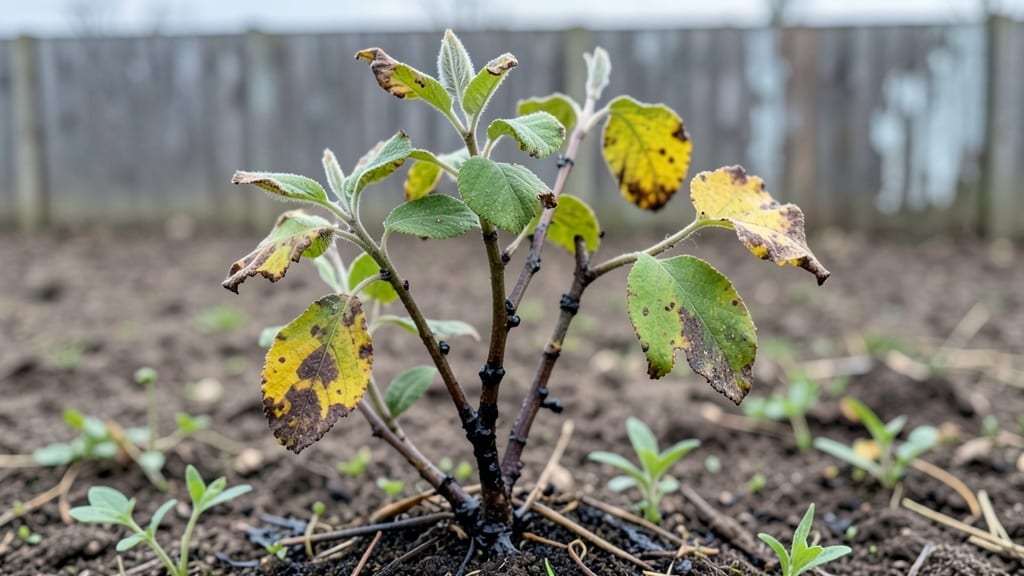
Fungus on shrubs can turn your landscape from lush to lifeless faster than you think. I’ve watched powdery mildew turn my hydrangeas into dusty white ghosts and rust turn my azaleas into brittle messes—until I learned the right fixes.
The good news? Most fungal issues are preventable with simple adjustments to watering, airflow, and pruning.
Here’s the thing—fungus thrives when shrubs get wet leaves, poor circulation, or stressed roots. My azaleas stopped getting black spots after I raised the sprinkler heads and thinned out crowded branches.
The key is catching problems early: look for white powder, orange pustules, or dark spots on leaves before they spread.
You’ll restore your shrubs to vibrant health with organic sprays, proper pruning, and a few smart watering tweaks. I’ll show you exactly which fungicides work best for each type of fungus and how to keep your plants looking sharp all season. Let’s get those shrubs thriving again.
Works for hydrangeas, azaleas, boxwoods, and more—no matter what’s causing the problem. The same principles apply whether you’re dealing with powdery mildew, anthracnose, or rust. Here’s how to make it stop for good.
Understanding Root Causes
Fungal growth on shrubs isn’t just a random nuisance—it’s often a response to specific environmental or plant health conditions. By identifying the why behind the problem, you can take targeted action to prevent and treat it effectively.
Below are the most common triggers for fungal infections in shrubs, broken down into clear, actionable categories.
Fungi thrive when conditions favor their growth, often at the expense of your shrubs. These environmental factors create the perfect storm for fungal outbreaks:
- Excess Moisture Fungi love water—too much of it creates a damp, humid environment where spores germinate and spread.
Overwatering, poor drainage, or prolonged rainfall can saturate foliage and soil, giving fungi like Botrytis (gray mold) or Phytophthora (root rot) the upper hand. - Actionable tip: Ensure shrubs have well-draining soil and avoid overhead watering, especially in the evening. 💡
- Poor Air Circulation Dense foliage or tightly packed shrubs trap moisture and prevent airflow. Stagnant air allows fungal spores to linger, increasing infection risks.
- Actionable tip: Prune shrubs to improve airflow, and space them appropriately to reduce humidity buildup.
- Extreme Temperature Shifts Sudden changes—like cold nights followed by warm, humid days—can weaken shrubs, making them more susceptible to fungal attacks.
Cold stress (e.g., frost) or heat stress (e.g., drought followed by sudden rain) both play a role. - Actionable tip: Mulch around shrubs to regulate soil temperature and protect roots from extreme fluctuations.
When shrubs are already struggling, fungi capitalize on the opportunity. These internal factors compromise their ability to fight off infections:
- Nutrient Deficiencies Shrubs lacking essential nutrients (like nitrogen, phosphorus, or potassium) have weakened cell walls, making them easier targets for fungal pathogens. - Actionable tip: Conduct a soil test and amend with balanced fertilizer to address deficiencies.
Focus on phosphorus (P) for root strength and potassium (K) for disease resistance.
- Physical Damage Wounds from pruning, pests, or hail create entry points for fungi. Even minor damage can invite infections like powdery mildew or anthracnose.
- Actionable tip: Sterilize pruning tools with rubbing alcohol and avoid cutting during wet conditions. Seal larger wounds with pruning sealant if needed.
- Pest Infestations Insects like aphids, mites, or scale can damage shrubs indirectly by spreading fungal spores on their bodies or excrement. For example, aphids excrete honeydew, which fosters sooty mold growth.
- Actionable tip: Monitor for pests regularly and treat infestations early with insecticidal soap or neem oil.
Some fungi are already present in the soil or garden, waiting for the right conditions to activate. These persistent threats often go unnoticed until they strike:
- Contaminated Soil Repeatedly planting shrubs in the same spot without rotation can lead to a buildup of fungal pathogens in the soil.
Pathogens like Fusarium or Rhizoctonia may lie dormant until stress triggers their growth. - Actionable tip: Practice crop rotation (if applicable) or solarize the soil by covering it with clear plastic for 4–6 weeks to kill pathogens.
- Organic Debris Accumulation Leaves, fallen branches, or old mulch provide shelter for fungal spores. Dead plant material can harbor pathogens like Armillaria (honey fungus), which attacks roots.
- Actionable tip: Remove and dispose of (not compost) infected plant debris. Keep garden beds clean and free of excessive organic matter.
- Overuse of Synthetic Chemicals While pesticides and fertilizers can help, overuse can disrupt beneficial microbes in the soil, creating an imbalance that favors fungal growth.
For example, excessive fungicide use may lead to resistant strains. - Actionable tip: Use organic fungicides (like copper-based sprays) sparingly and prioritize preventive care over reactive treatments.
Understanding these root causes is your first step toward creating a fungal-resistant environment for your shrubs. The next section will dive into how to diagnose specific fungal issues and tailor solutions to your plants’ needs.
Quick Fixes for Fungal Shrub Issues
Fungal infections on shrubs can feel like a losing battle, but with the right approach, you can restore your plants to vibrant health. The key is identifying the root cause and applying targeted solutions—before the problem spreads.
Below, we’ve mapped common fungal triggers to practical fixes, plus prevention tips to keep your shrubs thriving long-term.
Fungus loves soggy conditions, so if your shrubs are sitting in wet soil, it’s time to act fast.
How to Fix It:
- 🔪 Trim infected branches – Use sterilized pruners to cut off any blackened, mushy, or discolored stems at least 6 inches below the damage. Dispose of clippings in the trash (not compost).
- 🌱 Boost airflow & sunlight – Thin out dense foliage to let air circulate. If possible, move shrubs to a sunnier spot or space them farther apart.
- 💧 Adjust watering habits – Water deeply but only when the top 1–2 inches of soil are dry. Use a moisture meter if you’re unsure. Avoid overhead watering (drip irrigation or soaker hoses work best).
- ⏰ Fix drainage issues – Amend heavy clay soil with compost or perlite to improve aeration. If planting in containers, ensure pots have drainage holes.
Prevention Tip: 💡 Mulch correctly—Use 2–3 inches of organic mulch (like wood chips) but keep it 3–4 inches away from the stem to prevent moisture buildup.
Fungi thrive in damp, shaded areas. If your shrubs are in a low-light or humid pocket of your yard, they’re at higher risk.
How to Fix It:
- 🌿 Relocate if possible – Move shrubs to a sunnier, windier location (even partial sun helps). If relocation isn’t an option, prune surrounding plants to increase airflow.
- 🌬️ Use a fan (yes, really!) – For container shrubs or high-value plants, a small oscillating fan on low can reduce humidity around leaves without harming them.
- ☀️ Reflect sunlight – Place white reflective mulch (like landscape fabric) near the base of shrubs to bounce extra light onto foliage.
Prevention Tip: ✨ Space plants strategically—Keep shrubs 3–5 feet apart (depending on the variety) to prevent overcrowding and fungal spread.
Stressed shrubs (from pests, disease, or poor nutrition) are prime targets for fungal infections.
How to Fix It:
- 🐛 Treat pest issues first – Spray affected areas with neem oil (a natural fungicide and insect repellent) or introduce beneficial insects (like ladybugs) to control aphids or mites.
- 💪 Fertilize smartly – Use a balanced, slow-release fertilizer (like 10-10-10) to boost plant vigor. Avoid high-nitrogen fertilizers, which promote soft, fungus-loving growth.
- 🌱 Soil test & amend – If soil is nutrient-poor, mix in compost or worm castings to improve health. For acidic-loving shrubs (like azaleas), add sulfur or peat moss.
Prevention Tip: 🎯 Monitor regularly—Check shrubs weekly for early signs (yellowing leaves, powdery spots) and act before fungus takes hold.
For severe infections (like powdery mildew or anthracnose), natural remedies may not be enough.
How to Fix It:
- 🧴 Choose the right fungicide –
- Baking soda spray (1 tbsp baking soda + 1 tsp dish soap + 1 gallon water) – Best for powdery mildew.
- Copper fungicide (like Bordeaux mixture) – Effective against anthracnose and leaf spot.
- Systemic fungicides (e.g., myclobutanil or propiconazole) – For stubborn cases (follow label instructions).
- 🌿 Apply correctly –
- Spray early in the morning or late evening to avoid burning leaves.
- Cover both top and bottom of leaves (fungus hides underneath!).
- Reapply every 7–14 days or after rain.
Prevention Tip: 🔥 Rotate treatments—If you use chemical fungicides, alternate between types to prevent resistance.
Once your shrubs are healthy, keep them that way with these proactive steps:
| Step | Action |
|---|---|
| 🌞 Sunlight | Ensure at least 4–6 hours of sunlight daily. |
| 💦 Watering | Water at the base, not overhead, and early in the day. |
| 🌿 Pruning | Remove dead or diseased branches before they spread. |
| 🌱 Soil Health | Test soil annually and amend with compost or organic matter. |
| 🛡️ Barrier Treatments | Apply preventative fungicide (like neem oil) every 4–6 weeks in humid climates. |
Final Thought: Fungal issues on shrubs are manageable—the sooner you act, the easier the fix. Start with pruning and airflow improvements, then reinforce with smart watering and soil care. Your shrubs will thank you with lush, disease-free growth! 🌿✨
Frequently asked questions about shrub fungal issues
How do I tell if my shrubs have fungus instead of just normal wear?
Look for these key signs: white powder (powdery mildew), orange rust spots (rust fungus), or dark, greasy patches (anthracnose). Fungal growth often appears on both leaf surfaces and spreads quickly in damp conditions. Unlike normal aging, fungal damage will worsen rapidly if left untreated.
Is it safe to compost shrub clippings with fungus?
No—never compost infected plant material. Fungal spores can survive composting and reinfect your garden. Instead, double-bag clippings in plastic and dispose of them in yard waste. This prevents spreading spores to healthy plants or soil.
Can I use household items like vinegar to treat fungal issues?
Yes, but with caution. A 1:1 vinegar-water solution (3% acetic acid) can help control mild fungus when sprayed directly on affected areas. However, it may burn leaves if overused. For better results, mix with 1 tsp dish soap per gallon to improve adhesion. Test on a small area first.
Why does fungus keep coming back even after treatment?
Recurring fungus usually means underlying conditions aren't fixed. Check for poor drainage, overcrowded plants, or excessive moisture. Fungi also thrive in stressed shrubs, so ensure proper nutrition and sunlight. If issues persist, consider soil solarization (covering soil with plastic for 4-6 weeks) to kill dormant spores.
Are some shrubs more prone to fungus than others?
Yes—hydrangeas, azaleas, boxwoods, and roses are particularly susceptible due to their dense foliage. Evergreens like juniper can also struggle with fungal issues. Choose resistant varieties (like 'Endless Summer' hydrangeas) and maintain proper spacing to reduce risk. Native shrubs often have better natural resistance.