
Shrubs
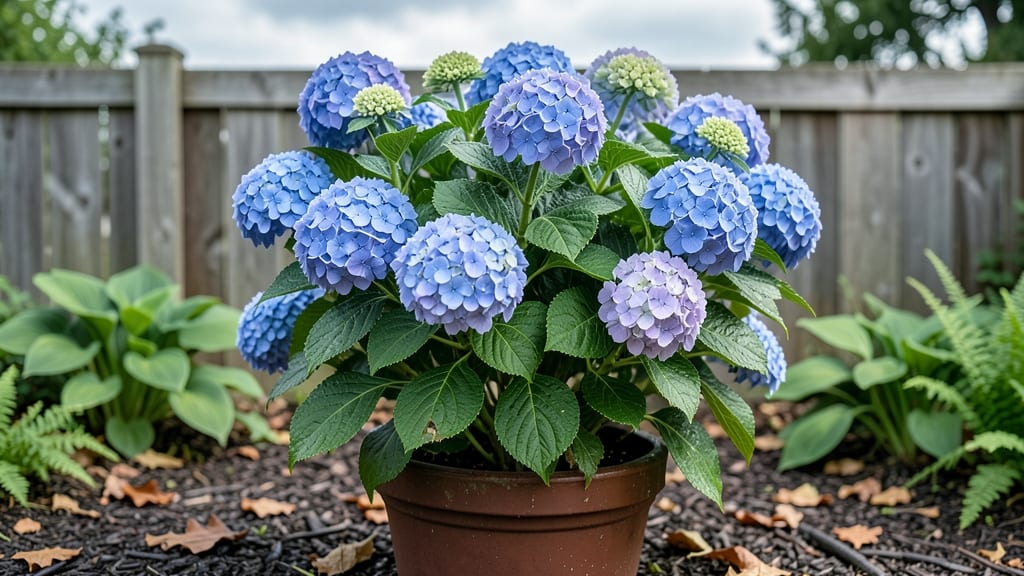
Zone 5's harsh winters and short growing seasons demand a different approach to flowering shrubs—one that balances dormancy with springtime explosions of color. ✨ I've learned the hard way that pruning at the wrong time can mean fewer blooms next year, but timing it right transforms your yard into a seasonal showstopper.
The secret lies in understanding when each shrub blooms: early spring bloomers like lilacs need pruning right after flowering, while late-season beauties like hydrangeas can wait until late winter. Most shrubs in Zone 5 need just one pruning per year, but the timing shifts dramatically between varieties.
What you'll end up with is shrubs that push out stronger growth each season, resist winter damage, and reward you with more abundant blooms than you've ever seen. The key is working with nature, not against it—pruning when the plant is already preparing for dormancy.
Works for everything from classic lilacs to modern hydrangeas and beyond. Here's how to get it right for your climate.
📚 In This Guide
- What you need
- Instructions
- Tips and common mistakes
- Wrapping up and next steps
What you need
- ● Pruning shears: Bypass pruners (for clean cuts on stems ½ inch thick); 1 pair (e.g., Felco or Fiskars).
- ● Loppers: For thicker branches (½ to 2 inches); 1 pair with a bypass blade.
- ● Pruning saw: For branches >2 inches; 1 handheld saw with a fine-tooth blade.
- ● Gloves: Heavy-duty, cut-resistant (e.g., Mechanix or gardening gloves with reinforced palms).
- ● Disinfectant: 70% isopropyl alcohol or 1-part bleach to 9-parts water (to sterilize tools between cuts).
- ○ Sharpie or marker: For labeling pruned branches (optional but helpful for tracking growth).
- ● Weather check: Prune on a dry, calm day (avoid frost or rain within 24 hours).
- ● Safety gear: Safety glasses (to protect from debris) and long sleeves/pants.
- ● Cleanup supplies: Heavy-duty trash bags (2–3) for debris.
- ● Wheelbarrow or bucket (5-gallon) for hauling clippings.
- ● Shrub ID guide: Print or bookmark a Zone 5 flowering shrub pruning chart (e.g., for hydrangeas, spireas, or forsythia).
- ○ Optional upgrades: Extension pole pruners (for tall shrubs like panicle hydrangeas).
- ● Rake (bow rake) for clearing fallen leaves/debris post-pruning.
Step-by-step pruning guide for flowering shrubs in Zone 5
Here’s my no-fail approach to keeping your cold-climate shrubs blooming beautifully year after year.
✂️ Step 1: Identify Bloom Time to Determine Pruning Window
First, figure out when your shrubs bloom—this tells you exactly when to prune. Shrubs that flower in early spring (like lilacs or forsythia) need pruning right after blooming, because they set next year’s buds during the current season. I always check my notes from last year’s blooms to avoid cutting off next season’s flowers.
For shrubs that bloom in late spring or summer (like hydrangeas or butterfly bush), prune in late winter or early spring before new growth begins. This ensures you’re not removing flower buds that haven’t formed yet. If you’re unsure, snap a quick photo of your shrub’s current blooms and compare it to a plant guide—most nurseries list bloom times clearly.
⏰ Step 2: Time Pruning for Dormant Season (Late Winter/Early Spring)
For most Zone 5 flowering shrubs, the best time to prune is during dormant season—between late winter and early spring, just as new buds begin to swell. This timing gives the plant time to heal before the growing season kicks in. I aim for 4-6 weeks before the last frost date in my area, which is usually around mid-March.
Watch for the first signs of growth—tiny green buds or slight softening of the stems. If you prune too early, the plant may not have enough energy to recover before spring. If you wait too late, you risk cutting off new growth or even damaging the plant as it wakes up. A sharp pair of pruners makes all the difference here—dull blades tear stems and invite disease.
✂️ Step 3: Prune for Shape and Health (Remove Dead, Diseased, or Weak Growth)
Start by removing any dead, diseased, or crossing branches first. These are easy to spot—they’re brown, brittle, or growing inward toward the center of the shrub. Cut these back to the main stem or a healthy outward-facing bud. I always work from the inside out to open up the center and improve airflow, which prevents fungal issues.
Next, shape the shrub by trimming back overgrown branches to maintain its natural form. Use your hand as a guide—hold it where you want the branch to end and cut just above the first outward-facing bud below your hand. Avoid cutting into old wood (the dark, woody part of the stem), as this can stunt new growth. If a branch is too thick to cut with hand pruners, grab your loppers—just be sure to sterilize them with rubbing alcohol first.
🌿 Step 4: Thin Out Overcrowded Branches for Better Blooms
Flowering shrubs produce their best blooms when they have good airflow and sunlight penetration. If branches are too dense, thin them out by removing 1/3 of the oldest or weakest stems at the base. This encourages new, vigorous growth and prevents the center from becoming bare. I like to step back every few cuts to visualize the shape—I’m aiming for a balanced, open structure.
For shrubs that bloom on old wood (like lilacs or viburnums), avoid heavy pruning. Instead, focus on light shaping and removing only the oldest stems. If you’re unsure whether your shrub blooms on old or new wood, check a reliable plant database or ask your local nursery. Over-pruning old-wood bloomers can mean fewer flowers next season.
🌱 Step 5: Clean Up and Mulch for Recovery
After pruning, rake up and dispose of all clippings—especially if they show signs of disease. Never compost diseased plant material, as it can spread to other plants. I like to sterilize my pruners again with rubbing alcohol before putting them away to prevent cross-contamination.
Finish by adding a 2-3 inch layer of mulch around the base of the shrub, keeping it a few inches away from the stem to prevent rot. Mulch helps retain moisture, regulate soil temperature, and protect roots from extreme cold. Water the shrub deeply after pruning to help it recover and encourage new growth. Within a few weeks, you should see fresh green buds signaling a successful prune.
Tips & tricks for perfect cold-climate shrub pruning
These pro insights will help you avoid common mistakes and get the most vibrant blooms from your Zone 5 shrubs.
Timing is Everything: The 4-6 week window before your last frost date is your golden opportunity. I've learned this the hard way—pruning too early can shock the plant, while waiting too late risks cutting off next year's buds. Check your local frost date and mark your calendar accordingly. For early spring bloomers like lilacs, wait until after they finish flowering before you touch them.
Tool Prep Matters: Sterilizing your pruners between cuts is non-negotiable. I keep rubbing alcohol handy and wipe down blades after every 3-4 cuts, especially when dealing with diseased branches. Sharp tools also make all the difference—dull blades crush stems instead of making clean cuts, which stresses the plant. Invest in a good pair of bypass pruners for clean cuts through branches up to ½ inch thick.
Visual Cues for Perfect Cuts: When shaping your shrub in Step 3, look for the first outward-facing bud below your target cut point. This bud will grow outward, maintaining the plant's natural shape. I always hold my hand where I want the branch to end and cut just above that bud. For dense shrubs, step back every few minutes to check your progress—you're aiming for an open center that lets sunlight and air circulate freely.
Mulch Like a Pro: That 2-3 inch layer of mulch isn't just decoration—it's protection. I use shredded hardwood mulch because it breaks down slowly and improves soil structure over time. Keep it 2-3 inches away from the stem to prevent rot, and water deeply after applying. This helps the plant recover faster and gives you those fresh green buds within weeks.
Pro Tips for Flowering Shrubs Zone 5
- These pro insights will help you avoid common mistakes and get the most vibrant blooms from your Zone 5 shrubs.
- Timing is Everything: The 4-6 week window before your last frost date is your golden opportunity.
- Tool Prep Matters: Sterilizing your pruners between cuts is non-negotiable.
Frequently asked questions
Got questions about keeping your flowering shrubs thriving in Zone 5? You’re not alone! Here are some of the most common concerns—and their answers—to help you prune with confidence.
When is the best time to prune flowering shrubs in Zone 5?
Timing depends on when your shrubs bloom! Spring-bloomers (like lilacs or forsythia) should be pruned right after flowering (late May–June) to avoid cutting off next year’s buds. Summer-bloomers (e.g., hydrangeas) get their prune in early spring (March–April) before new growth starts. Always check your specific shrub’s needs—some, like butterfly bush, can handle light pruning anytime!
Can I prune flowering shrubs in late fall or winter?
Generally, no—pruning in late fall or winter risks exposing fresh cuts to harsh cold, which can stress the plant. However, deadheading (removing spent blooms) in fall is fine for tidiness. If you must prune, wait until late winter (February) when the ground is still frozen, but avoid heavy cuts. Evergreens are the exception—light shaping in winter is okay!
My Zone 5 shrub isn’t blooming well after pruning. What went wrong?
Bloom woes often stem from pruning at the wrong time or cutting too aggressively. If you pruned spring-bloomers in late summer/fall, you likely removed next year’s flower buds. For reblooming shrubs (like some hydrangeas), over-pruning can reduce flowers. Focus on selective pruning—remove only dead, diseased, or crossing branches—and follow the one-third rule (never cut more than ⅓ of the plant at once).
Are there low-maintenance flowering shrubs for Zone 5 beginners?
Start with these hardy, forgiving picks:
- Spirea (e.g., ‘Goldflame’): Thrives in full sun, blooms late spring, and tolerates occasional neglect.
- Weigela: Fast-growing, disease-resistant, and reblooms all summer with minimal pruning.
- Dwarf ninebark (Physocarpus): Tough as nails, handles poor soil, and blooms in spring.
- Potentilla shrub: Drought-tolerant and blooms from spring to fall with almost no fuss.
All four are Zone 5-hardy and perfect for first-timers!
How do I clean pruning tools to prevent disease in Zone 5 shrubs?
Cleaning tools is critical—diseases like powdery mildew or fire blight can spread quickly in Zone 5’s humid summers. After each use, wipe blades with a 70% rubbing alcohol or soapy water, then disinfect with a 10% bleach solution (1 part bleach to 9 parts water). For stubborn sap, use mineral oil to loosen residue. Store tools in a dry place to prevent rust!
Wrapping up and next steps
Selecting the right flowering shrubs for Zone 5 and mastering their pruning timeline can transform your garden into a vibrant, year-round masterpiece—even in cold climates! 🌸 From early spring cuts to late-winter prep, timing is everything for healthy blooms and strong growth.
With the right techniques, you’ll enjoy lush foliage and stunning flowers season after season.
Ready to get started? Pick one or two shrubs from this guide, grab your pruners, and begin your pruning journey today—your garden will thank you! 🌿 For extra confidence, download our free pruning checklist to keep track of deadlines and tasks.