
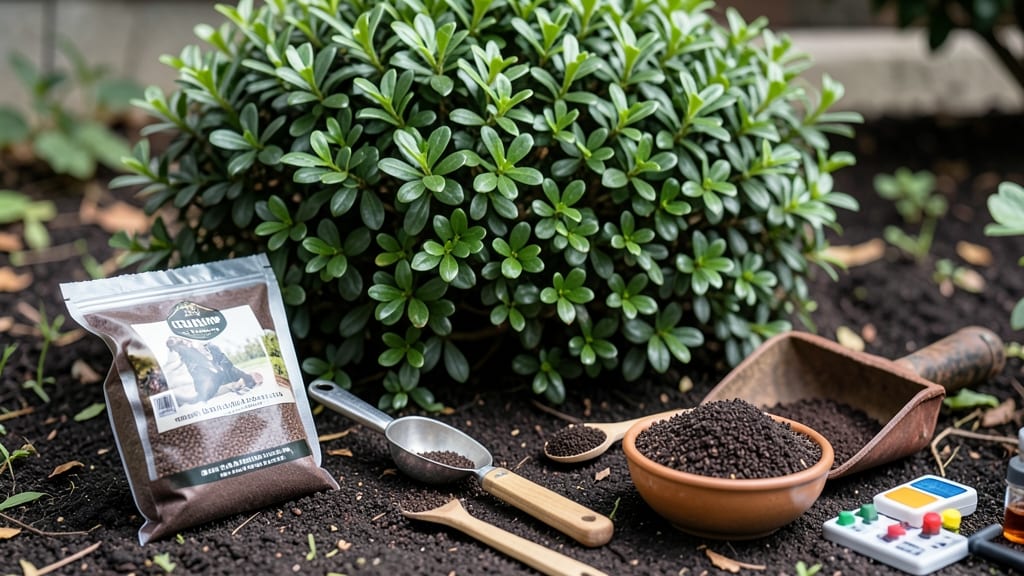
Fertilizing Boxwood Shrubs: Seasonal Schedule for Lush, Dense Growth

Fertilization

Fertilizing Boxwood Shrubs: Seasonal Schedule for Lush, Dense Growth

Fertilizing boxwood shrubs 🌿 is the secret to keeping them thick, vibrant, and pest-resistant year after year—if you do it right.

Picture this: You’ve spent hours shaping your boxwoods into perfect hedges, only to watch them turn yellow or grow sparse because the soil lacks the nutrients they crave. The good news? A few simple adjustments—like timing, type, and amount of fertilizer—can transform your shrubs from lackluster to lush.

In this guide, I’ll walk you through the best fertilizers for boxwoods, whether organic or synthetic, and when to apply them for maximum impact. You’ll also learn how to spot over- or under-fertilization before it’s too late, plus seasonal tips to keep your greenery thriving without guesswork.

Ready to give your boxwoods the care they deserve? Let’s break down the exact schedule and techniques that make all the difference.

Best fertilizers for boxwood shrubs: organic vs synthetic options

Boxwood shrubs thrive when fed the right nutrients, but choosing between organic and synthetic fertilizers can feel overwhelming. Each type offers unique benefits—organic options like compost or fish emulsion improve soil health and disease resistance, while synthetic fertilizers provide precise nutrient ratios for rapid growth.

The key is matching your fertilizer to your boxwood’s seasonal needs and growth goals.

For newly planted boxwoods, organic fertilizers like well-aged compost or worm castings are ideal—they gently feed roots while improving soil structure. Mature shrubs, however, often benefit from a balanced synthetic fertilizer (like 10-10-10) to maintain their dense, manicured shape.

Let’s break down the best options for your boxwood’s health and growth.

Fertilizer Type Key Nutrients Best For Application Timing Growth Impact Disease Resistance
Organic (Compost) N-P-K (3-1-2), micronutrients Newly planted, soil improvement Spring & Fall Slow, steady growth High (improves soil microbes)
Organic (Fish Emulsion) N-P-K (5-1-1), fish oils Established shrubs, foliar feed Spring & Summer Moderate, green growth Moderate (rich in nutrients)
Synthetic (Granular 10-10-10) N-P-K (10-10-10), fast-release Mature shrubs, quick results Spring & Early Summer Rapid, dense growth Low (risk of burn if overused)
Slow-Release (Osmocote) N-P-K (14-14-14), coated granules All stages, low-maintenance Spring & Fall Steady, long-term growth High (balanced feeding)
Liquid Seawe

Seasonal fertilizing schedule for year-round boxwood care

Boxwoods thrive when their fertilization aligns with their natural growth cycles. Unlike many shrubs, they need a balanced approach—too much fertilizer can burn roots, while too little stunts their signature dense growth. The key is timing: feed them when they’re actively growing and let them rest during dormancy.

I’ve tailored this schedule to USDA Zone 6a, but I’ll show you how to adjust for warmer or cooler climates too.

Before diving into seasonal care, always start with a soil test to check pH (ideal: 6.0–7.0) and nutrient levels. Boxwoods prefer slightly acidic to neutral soil, and amendments like compost or peat moss can help if your soil is too alkaline.

Once your soil is prepped, follow this seasonal breakdown to keep your boxwoods lush year-round.

Season Fertilizer Type Key Nutrients Application Rate Climate Adjustments
Spring (March–April) Slow-release granular or organic Nitrogen (N), Phosphorus (P) 1 tbsp per shrub Warmer zones: Start in Feb
Summer (June–August) Balanced liquid or granular N-P-K (10-10-10) 1 cup per 10 sq ft Drought areas: Reduce by 50%
Fall (September–October) Low-nitrogen organic Potassium (K), Micronutrients ½ tbsp per shrub Cold zones: Skip if frost risk
Winter (November–February) None Dormancy period N/A Mild winters: Light mulch only

In spring, boxwoods wake up hungry after winter. A light application of fertilizer (like a 10-10-10 granular) kickstarts root growth and foliage production. I recommend applying it in early March once soil warms to 50°F.

For organic options, try fish emulsion or compost tea—both provide nitrogen without the risk of burn.

Summer is when boxwoods crave consistent feeding. Every 6–8 weeks, apply a balanced fertilizer to sustain their dense growth. If you notice yellowing leaves, it’s often a sign of iron deficiency, which can be fixed with a chelated iron supplement.

In hot climates, reduce feeding frequency to prevent stress—boxwoods wilt faster when over-fertilized in heat.

Fall fertilization is all about preparing for dormancy. Switch to a low-nitrogen fertilizer (like 5-10-10) to encourage root hardening. This is also the perfect time to mulch heavily (3–4 inches of shredded bark) to insulate roots.

In Zone 7+, you might extend fall feeding into early November, but stop by October 15 in colder zones to avoid encouraging late-season growth.

Winter is the only true rest period for boxwoods. Avoid fertilizing entirely, as new growth can’t survive frost. Instead, focus on protective measures: wrap young shrubs in burlap, and remove mulch in late winter to prevent rot.

In mild-winter zones (like Zone 8+), a light top-dressing of compost in December can give them a gentle nutrient boost without stressing the plant.

Pro tip: Always water deeply before fertilizing to help nutrients absorb into the soil. And if your boxwoods are container-grown, halve the fertilizer dose—they dry out faster and are more prone to salt buildup from synthetic fertilizers.

With this schedule, your boxwoods will stay vibrant, pest-resistant, and perfectly shaped for years to come! 🌿

★★★★★4.7(14 reviews)
Categories Fertilization