
Shrubs
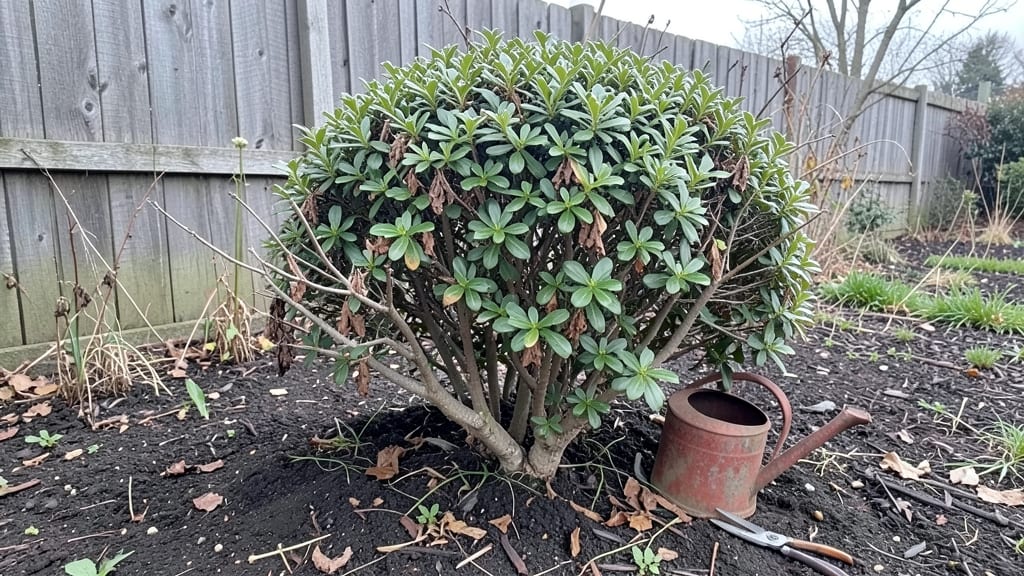
Evergreen shrubs turning brown can ruin your yard’s clean look in a hurry. I’ve seen it happen after a harsh winter or when summer heat kicks in—those dull, patchy branches scream "something’s wrong." The good news?
Most cases fix themselves with a few targeted tweaks, not a full replacement. My boxwoods went from sad to showstopping in just two watering adjustments last summer, and I’ll show you how.
Overwatering or underwatering tops the list of culprits, but don’t overlook pests like spider mites or fungal issues from poor airflow. A quick check of the soil moisture and a peek under the leaves often reveals the problem faster than you’d think.
The key is acting before the damage spreads—once brown needles turn crispy, you’re playing catch-up. I learned that the hard way with my failing arborvitae.
Start with a deep watering if the soil feels dry, then mulch to keep moisture steady. For pests, a strong spray of water usually knocks them off, and pruning dead branches early prevents further stress.
Within weeks, you’ll see fresh green growth pushing out, and your shrubs will look like they just got a spa day. The secret? Catching it fast and treating the root cause, not just the symptom.
If the browning spreads despite your best efforts—or if you spot mold, oozing sap, or severe dieback—it might be time to call in a pro. Some issues, like root rot or advanced disease, need expert eyes.
But for 90% of cases, these quick fixes bring your evergreens roaring back to life. Let’s get those shrubs looking vibrant again.
Root Causes Behind Browning Foliage
When your evergreen shrubs start turning brown, it’s often a cry for help from the plant itself. Understanding the why behind the browning is the first step to restoring their vibrant green health.
Below, we break down the most common culprits—each with a clear scientific explanation and actionable insights to identify the issue.
Evergreens rely on moisture to stay hydrated year-round, but extreme heat or prolonged drought forces them into survival mode. When soil moisture drops below 30-40% (a critical threshold for many shrubs), roots struggle to absorb water efficiently.
This triggers leaf desiccation, where cells lose turgor pressure and turn brown or crispy at the edges.
🔍 How to spot it:
- The browning starts at the leaf tips or edges and spreads inward.
- Soil feels dry 1-2 inches below the surface.
- Wilting or drooping foliage (even in humid conditions).
💡 Pro tip: Mulch with 2-3 inches of organic matter (like wood chips or shredded bark) to retain soil moisture and regulate temperature. Water deeply once a week (or more in extreme heat) rather than shallow daily watering to encourage deep root growth.
Evergreens stay green because their leaves contain chlorophyll year-round—but this comes at a cost. Cold temperatures (<20°F/-7°C) can cause winter burn, where ice crystals form in leaf tissues, rupturing cells and leading to browning. Wind exacerbates the problem by increasing evaporative stress, even in freezing temps.
🔍 How to spot it:
- Browning appears on exposed sides of shrubs (e.g., west-facing or windward sides).
- New growth in spring may look stunted or deformed.
- Needles turn tan or straw-colored rather than dark brown.
🌡️ Preventative fix: Apply a 3-inch layer of mulch around the base in late fall to insulate roots. For severe climates, use burlap windbreaks or anti-desiccant sprays (like Wilt-Pruf) before the first frost. Choose cold-hardy varieties (e.g., Juniperus or Picea) if your zone is harsh.
Fungi like Phytophthora, Cylindrocladium, or Botrytis thrive in damp, stagnant conditions, attacking evergreens through wounds or weak spots. These pathogens block water transport in leaves, causing necrotic browning (dead tissue) that spreads rapidly. Overhead watering or poor drainage creates the perfect breeding ground.
🔍 How to spot it:
- Browning appears as irregular patches (not just edges).
- White, pink, or black fungal growth on stems or soil.
- Leaves may feel slimy or mushy when touched.
🧪 Treatment: Prune affected branches 1 inch below the browning with sterilized shears. Apply a copper fungicide (like Cupric Hydroxide) every 2-3 weeks until new growth appears. Improve drainage by amending soil with perlite or sand and avoid overhead irrigation.
Insects like spider mites, scale, or aphids pierce leaf cells to feed on sap, injecting toxins that cause chlorosis (yellowing) and necrosis (browning). Heavy infestations weaken the shrub, making it susceptible to secondary infections. Brown, stippled leaves or webbing are dead giveaways.
🔍 How to spot it:
- Tiny black dots (frass) or sticky residue (honeydew) on leaves.
- White webbing (spider mites) or shell-like bumps (scale).
- New growth is curled or distorted.
💦 Combat tactics:
- Spray infested shrubs with a strong stream of water to dislodge pests.
- Use neem oil or insecticidal soap (repeat every 5-7 days).
- Introduce beneficial predators like ladybugs or lacewings.
Evergreens need a steady supply of nitrogen, iron, and manganese to produce chlorophyll. Deficiencies cause browning because:
- Nitrogen (N) deficiency: Leaves turn yellow between veins before browning.
- Iron (Fe) or manganese (Mn) deficiency: Interveinal chlorosis (yellowing) progresses to brown, crispy edges.
Compacted or alkaline soil (pH >7.0) locks out these nutrients, leaving shrubs malnourished.
📊 Diagnose and fix:
Symptom
Likely Deficiency
Solution
Uniform yellowing → browning
Nitrogen (N)
Apply slow-release fertilizer (10-10-10) or compost in spring.
Yellow veins with brown edges
Iron (Fe) or Manganese (Mn)
Add chelated iron or sulfur to lower soil pH (aim for 5.5–6.5).
How to solve it
Now that you know the culprits behind your evergreen shrubs’ unsightly brown patches, it’s time to roll up your sleeves and bring them back to life! 🌿✨ The good news? Most issues are fixable with a little TLC—and prevention is easier than you think.
Below, we’ve mapped out step-by-step solutions tailored to each cause, plus pro tips to keep your shrubs thriving long-term.
Signs: Yellowing leaves, soggy soil, root rot (mushy, dark roots). Fix:
- 🔪 Prune the Damaged Parts Use clean, sharp pruners to trim away brown, mushy, or yellowing foliage. Cut back to healthy green growth—this helps the shrub redirect energy to recovery.
- ⏰ Improve Soil Drainage Dig around the base of the shrub to loosen compacted soil. Mix in organic matter like compost or perlite (aim for 20-30% of the soil volume). For severe cases, consider planting in a raised bed or container with well-draining potting mix.
- 💧 Adjust Your Watering Routine - Water deeply but less frequently—aim for 1-1.5 inches per week (including rainfall). - Water at the base, not overhead, to avoid wetting foliage (which encourages disease). - Test soil moisture with your finger: If the top 2 inches are dry, it’s time to water.
If it’s still damp, wait.
💡 Pro Tip: Mulch around the base (2-3 inches of organic mulch like pine bark) to regulate soil moisture and prevent future soggy roots.
Signs: Crispy, dry edges, wilting, or dusty-looking leaves. Fix:
- 💦 Give Them a Deep Drink Water thoroughly until the soil is moist 6 inches down. Use a soaker hose or drip irrigation to deliver water slowly and evenly.
- 🌞 Shield from Harsh Sun If your shrubs are in a hot, exposed spot, provide afternoon shade (use shade cloth or plant near taller shrubs). Mature evergreens like boxwoods or junipers can handle full sun, but newly planted ones may need temporary shade.
- 🍃 Boost Humidity (For Delicate Varieties) Mist leaves lightly in the morning (avoid evening to prevent fungal issues) or group thirsty shrubs together to create a microclimate.
🔥 Quick Fix: If leaves are already crispy, trim them off—new growth will emerge greener once hydration improves.
Signs: Black spots, powdery white residue, holes, or webbing; sticky residue (aphids/honeydew). Fix:
- 🧼 Clean Up the Mess Remove all infected leaves or branches and dispose of them in the trash (not compost). Sterilize pruners with rubbing alcohol between cuts.
- 🌿 Treat Fungal Issues
- Neem oil spray (1 tsp per quart of water) or baking soda solution (1 tsp baking soda + 1 quart water + a drop of dish soap) can combat powdery mildew or leaf spot.
- Apply in the early morning on a calm day for best results.
- 🐜 Tackle Pests
- Aphids/Scale: Blast off with a strong stream of water or use insecticidal soap.
- Spider Mites: Spray with water to dislodge them, then apply neem oil weekly.
- Bagworms: Handpick bags in late summer or use Bt (Bacillus thuringiensis) spray.
🎯 Prevention: Space shrubs for good airflow, avoid overhead watering, and inspect plants weekly during growing season.
Signs: Brown, dry patches on sun-exposed sides (common in late winter/early spring). Fix:
- 🛡️ Shield from Wind and Sun
- Use burlap wraps or snow fencing to block harsh winds.
- Apply anti-desiccant spray (like Wilt-Pruf) in late fall to create a protective film on leaves.
- 🌨️ Encourage Snow Cover Gently pile mulch or straw around the base to insulate roots. A light layer of snow acts like a blanket—never remove it unless it’s ice-heavy.
- 🌱 Wait to Prune Wait until after new growth appears in spring to prune winter-damaged branches. Cut back to green tissue or buds.
💡 Pro Tip: Choose cold-hardy evergreens (like Inkberry Holly or Dwarf Alberta Spruce) for your climate zone if winter burn is recurrent.
Signs: Yellowing between veins (iron/chlorosis), stunted growth, or sparse foliage. Fix:
- 📊 Test Your Soil Use a home soil test kit to check pH and nutrient levels. Evergreens prefer slightly acidic soil (pH 5.0-6.5).
- 🍃 Apply the Right Fertilizer
- For iron deficiency (yellow leaves): Use an iron chelate or Epsom salt spray (1 tbsp per gallon of water).
- For general health: Switch to a slow-release, acidic fertilizer (like 10-10-10 or one formulated for evergreens) in early spring.
- 🌿 Mulch with Organic Matter Top-dress with pine needles, compost, or peat moss to gradually improve soil acidity and nutrient content.
✨ Bonus: Avoid high-nitrogen fertilizers in late summer—they encourage tender new growth that’s vulnerable to frost.
- 🌧️ Water wisely: Deep and infrequent beats shallow, frequent watering.
- 🌿 Prune properly: Remove dead branches in late winter/early spring (avoid heavy pruning in summer).
- 🛡️ Monitor pests: Check undersides of leaves weekly for early signs.
- 🌱 Choose the right plant: Match evergreens to your climate and sunlight (e.g., Arborvitae for shade, Juniper for full sun).
- 🌡️ Mulch like a pro: Use 3 inches of organic mulch (like wood chips) and keep it 2 inches away from the trunk.
🌟 Remember: Patience is key—some shrubs take a few weeks to months to bounce back. With the right care, your evergreens will be vibrant and full in no time! For stubborn cases, consult a local extension service for tailored advice. Happy gardening! 🌱💚
Frequently asked questions about evergreen shrubs turning brown
Why are my evergreen shrubs turning brown in patches?
Patchy browning often signals fungal infections or pest damage. Check for irregular brown spots, white powder (mildew), or tiny webs (spider mites). Improve airflow by pruning dense branches and apply copper fungicide or neem oil if needed.
Can overwatering cause evergreen shrubs to turn brown?
Yes! Overwatering leads to root rot, which starves shrubs of oxygen. Look for yellowing leaves, mushy stems, or foul-smelling soil. Fix it by improving drainage (add perlite) and watering only when the top 2 inches of soil are dry.
How do I tell if my shrubs need more water or less?
Stick your finger 1-2 inches into the soil—if it's dry, water deeply. If it's soggy, hold off. Brown tips or crispy edges mean underwatering, while yellowing between veins suggests overwatering. Adjust your routine based on these clues.
Will pruning help my brown evergreen shrubs recover?
Prune dead or severely brown branches in late winter/early spring to encourage new growth. Cut back to healthy green tissue or buds, and sterilize your shears with rubbing alcohol to prevent spreading disease.
When should I call a professional for my browning shrubs?
Consult an expert if you see oozing sap, severe dieback (more than 30% of the shrub), or persistent fungal growth despite treatment. Advanced root rot or disease may require soil amendments or systemic fungicides beyond DIY fixes.