
Shrubs
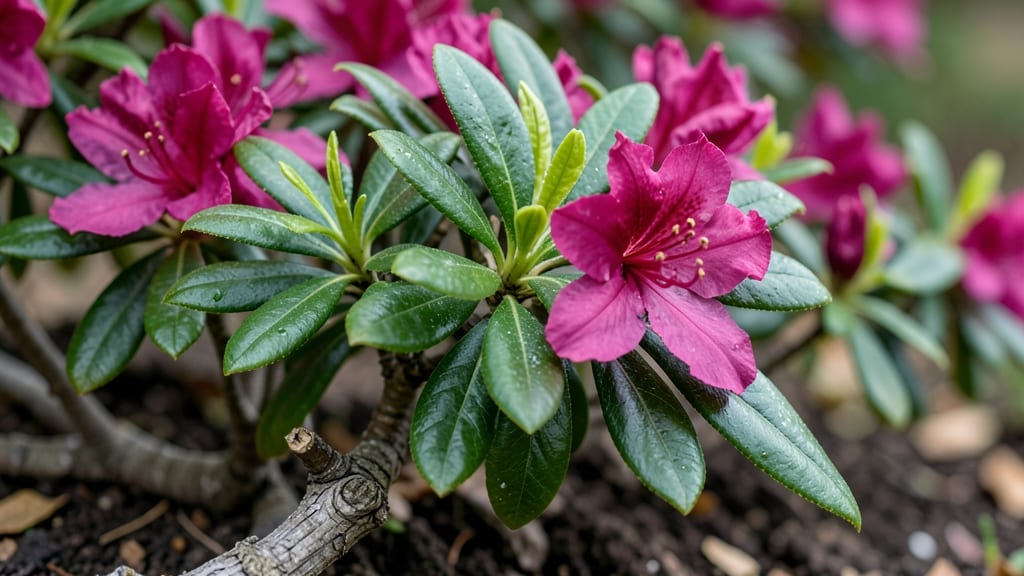
Deer eat azalea shrubs frequently, focusing on young shoots, blossoms, and leaves—particularly when winter food is limited. This browsing weakens plants and cuts back flowering potential significantly.
Azaleas rank high on deer menus because their tender growth offers easy nutrition during lean months. 🌿 These deer prefer azaleas over tougher evergreens, especially in late winter when snow covers other food sources.
The shrubs' mild bitterness doesn't deter them—they're more interested in the fresh foliage's moisture content than flavor. I've seen deer completely strip azalea bushes in just a few hours, leaving behind a skeleton of branches that struggle to recover.
What makes this worse is how deer target the most vulnerable parts first—the new growth and flower buds. This selective feeding doesn't just damage leaves; it can prevent your azaleas from blooming at all the following season.
The damage often appears as jagged edges or completely chewed-off branches, which are telltale signs of deer activity rather than disease.
💡 In This Article
- Why Azaleas Are a Deer’s Favorite Garden Target
- Effective Deer-Resistant Azalea Care Strategies
Why azaleas are a deer’s favorite garden target
Deer target azalea shrubs because their tender new growth contains high moisture content and moderate protein levels—about 12-15% protein in fresh leaves—that makes them an energy-dense snack during harsh winters. 🌿 Unlike mature leaves, which develop bitter compounds as they age, young shoots and flower buds remain palatable.
This nutritional advantage explains why deer prioritize azaleas over evergreens like boxwoods, which contain toxic compounds deer avoid.
The timing of deer feeding peaks in late winter (February-March) when snow covers traditional food sources like clover and grasses. Studies show deer spend up to 40% more time browsing azaleas during these months compared to summer.
Their keen sense of smell detects the volatile organic compounds released by stressed azalea foliage—especially when plants experience drought or cold snaps—which signals high moisture availability.
What makes azaleas particularly vulnerable is their growth pattern. Deer focus on the terminal buds (the growing tips) first, which stunts vertical growth and reduces flowering capacity by up to 70% in severe cases.
The jagged, irregular bite marks (typically 2-3 inches long) left on leaves are a dead giveaway—unlike clean cuts from pruners or disease-related damage.
Interestingly, deer show seasonal preference shifts. While they feast on azalea foliage in winter, they often ignore the same plants in summer when other greens are abundant.
This seasonal pattern explains why some gardeners only notice damage in early spring, assuming it's a year-round problem when it's actually concentrated during specific months.
Another factor is deer browsing behavior: they're creatures of habit. Once they discover an azalea's nutritional value, they return repeatedly to the same plants, creating what wildlife managers call "deer browse lines."
These visible paths show where deer enter gardens to feed, often along property edges where shrubs are most accessible.
For gardeners, understanding this behavior is key. Protecting azaleas requires knowing when deer are most active (dawn/dusk in winter) and where they'll target (new growth zones). The combination of nutritional need, seasonal timing, and behavioral patterns makes azaleas a deer's prime target—unless you intervene with targeted deterrents.