
Shrubs
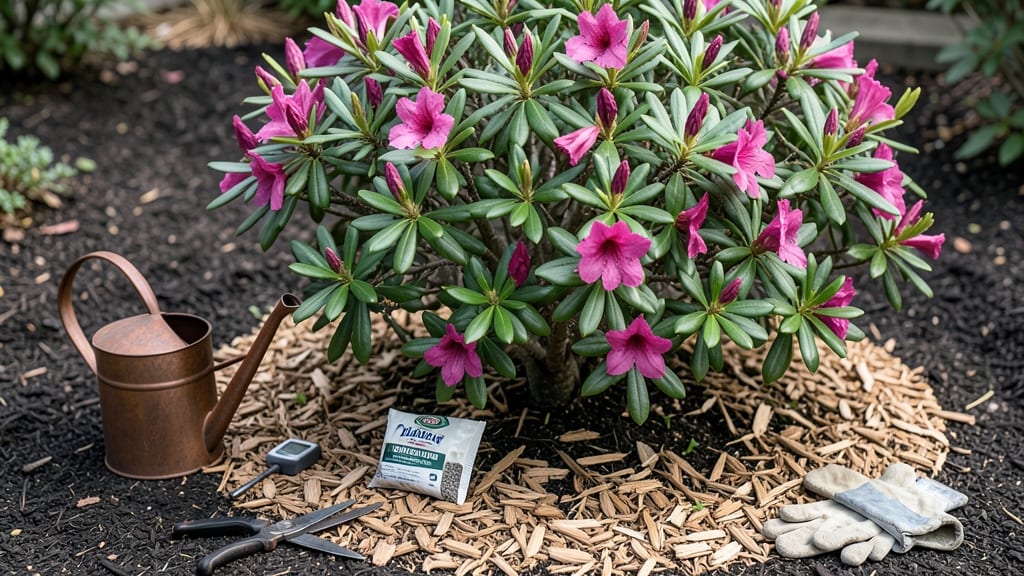
Azalea shrubs transform any yard into a burst of color—but only if you nail their care. 🌸 I’ve had azaleas thrive for years with just a few key adjustments: the right soil, consistent watering, and smart pruning.
Most people overcomplicate it, but these shrubs are actually low-maintenance once you understand their needs.
The secret starts with soil that’s acidic and well-draining—think pine mulch or peat moss mixed into your beds. Water deeply once a week (more in summer heat), and avoid overhead sprinklers that can invite fungal diseases.
Azaleas love morning sun but hate afternoon scorching, so partial shade is ideal. Prune right after blooming to shape without sacrificing next year’s flowers.
With the right care, your azaleas will reward you with vibrant blooms for weeks and glossy foliage year-round. The fragrance alone makes it worth the effort—imagine walking past a bush bursting with pink or purple blossoms in spring. Even in winter, their evergreen leaves add texture to your landscape.
Works for containers too—just use a larger pot and acidic potting mix. Here’s how to keep them looking their best through every season without the guesswork.
📚 In This Guide
- What you need
- Instructions
- Tips and common mistakes
- Wrapping up and next steps
What you need
- ● Azalea shrubs: 1-3 plants (deciduous or evergreen, depending on preference; choose Rhododendron varieties like 'Girard's' or 'Enchantment' for low-maintenance options).
- ● Well-draining acidic soil: 1-2 bags of peat moss or pine bark fines (50 lbs each) to amend garden soil (azaleas thrive in soil with a pH of 4.5-6.0).
- ● Organic mulch: 2-3 cubic feet of pine straw, pine bark nuggets, or leaf mold to retain moisture and regulate temperature.
- ● Slow-release fertilizer: 1 bag of azalea-specific fertilizer (e.g., 10-10-10 or 8-3-9 with micronutrients like iron and magnesium).
- ● Pruning shears: 1 pair of bypass pruners (sharp, clean, and sanitized with rubbing alcohol).
- ● Garden trowel or spade: 1 medium-sized tool for digging planting holes (6-8 inches wide and deep).
- ● Watering can or hose with a gentle spray nozzle: For deep, even watering (1-2 gallons per plant during establishment).
- ● Garden gloves: 1 pair to protect your hands from thorns or rough bark.
- ● Soil pH test kit: To confirm your soil’s acidity before planting.
- ● Epsom salt (magnesium sulfate): 1 small container for occasional foliar feeding (mixes 1 tbsp per gallon of water).
- ● Drip irrigation system: For automated, consistent watering (especially in hot climates).
- ○ Landscape fabric: To suppress weeds around mulch (optional but reduces maintenance).
- ● Azalea food spikes: 1-2 slow-release spikes for spring feeding.
Step-by-step azalea shrub care for lush, year-round growth
Here’s how I keep my azaleas vibrant with simple, seasonal adjustments—no fuss, just results.
🌱 Step 1: Plant in the Right Spot with Acidic Soil
Azaleas thrive in partial shade (morning sun + afternoon shade) and acidic soil (pH 4.5-6.0). I test my soil first—if it’s too alkaline, I mix in 2-3 inches of peat moss or pine bark fines into the planting hole. Dig a hole twice as wide as the root ball but only as deep—burying the trunk too deep suffocates the plant.
Gently loosen the roots if they’re circling in the pot, then place the shrub in the hole. Backfill with soil, pressing lightly to remove air pockets. Water deeply right after planting to settle the soil and eliminate gaps. Mulch with 2-3 inches of pine bark around the base (but not touching the trunk) to retain moisture and acidity.
💧 Step 2: Water Deeply and Consistently
Azaleas hate soggy roots but also can’t handle drought. Water once a week (or more in extreme heat) until the soil is 6 inches deep and moist. I check by sticking my finger in—if it feels dry, it’s time to water. Overhead watering can cause fungal issues, so I use a soaker hose or water at the base.
Yellowing leaves often mean overwatering. If you see this, let the top 2 inches of soil dry out between waterings. In winter, reduce watering to once every 2-3 weeks unless your area gets heavy frost.
☀️ Step 3: Feed with Acid-Loving Fertilizer
Azaleas need acidic, slow-release fertilizer in early spring (just as buds form) and again in mid-summer. I use a 10-10-10 or 8-3-9 formula mixed with sulfur to keep the soil acidic. Follow the package rate—too much fertilizer burns roots. Scatter granules evenly around the drip line (the edge of the canopy), then water deeply to activate them.
Skip fertilizing in fall or winter. If your azalea’s leaves turn yellow with brown edges, it’s likely nutrient deficiency. A foliar spray with iron chelate can help quickly, but adjust soil pH long-term.
✂️ Step 4: Prune After Blooming
Prune azaleas right after flowers fade (late spring) to encourage next year’s blooms. Remove dead or crossing branches first with clean, sharp shears. Then, trim back overgrown stems by ¼ to ⅓ to maintain a natural shape. Avoid cutting into old wood—new growth comes from current season’s stems.
Never prune in fall or winter. If you see bare stems at the base, it’s a sign the plant is too old or overpruned. In that case, rejuvenate by cutting back ⅓ of the oldest stems to the ground—it’s drastic but saves the shrub.
⏰ Step 5: Protect in Winter and Watch for Pests
In cold climates, wrap young azaleas with burlap or use a lightweight frost cloth to shield from wind. Mature shrubs usually handle winter fine, but snow buildup can break branches—shake it off gently. In spring, remove any mummified buds (they’re a sign of bud blight) with pruners dipped in rubbing alcohol.
Watch for lace bugs (tiny yellow insects) or spider mites (fine webbing). I spray with neem oil at the first sign of damage. If leaves curl or drop suddenly, check for aphids—blast them off with water or use insecticidal soap.
Tips & tricks for perfect azalea shrub care
Took me years to figure out these simple tricks that keep my azaleas thriving—no green thumb required.
Soil pH is everything: Test your soil before planting—most garden centers sell pH test kits for under $10. If your soil is above 6.0, mix in 2-3 inches of peat moss or pine bark fines to lower the pH. I’ve seen azaleas wilt dramatically when planted in alkaline soil, so don’t skip this step. The 4.5-6.0 pH range is non-negotiable for these acid-lovers.
Watering wisdom: The 6-inch deep moisture check is your best friend. Stick your finger in the soil—if it feels dry at that depth, it’s time to water. I’ve learned the hard way that overhead watering causes fungal issues, so always water at the base using a soaker hose. In winter, cut back to once every 2-3 weeks unless you’re in a frost-prone area.
Fertilizer timing matters: Apply your 10-10-10 or 8-3-9 fertilizer in early spring when buds form and again in mid-summer. I’ve made the mistake of fertilizing in fall—it just encourages late-season growth that gets damaged by frost. Always scatter granules around the drip line (edge of the canopy) and water deeply afterward to activate them. Yellow leaves with brown edges? That’s your sign to check soil pH or try an iron chelate spray.
Pruning secrets: Never prune in fall or winter—you’ll remove next year’s flower buds. Instead, wait until right after blooming in late spring. When trimming back overgrown stems by ¼ to ⅓, focus on shaping rather than drastic cuts. And if you see bare stems at the base, don’t panic—cutting back ⅓ of the oldest stems to the ground can rejuvenate even neglected shrubs.
Pro Tips for Azalea Shrub Care
- Took me years to figure out these simple tricks that keep my azaleas thriving—no green thumb required.
- Soil pH is everything: Test your soil before planting—most garden centers sell pH test kits for under $10. If your so...
- Watering wisdom: The 6-inch deep moisture check is your best friend. Stick your finger in the soil—if it feels dry at...
Frequently asked questions
Got questions about keeping your azalea shrubs happy and blooming? You’re not alone! Here are some of the most common concerns—plus straightforward answers to help you troubleshoot and care like a pro.
What’s the best time of year to prune azaleas?
Prune your azaleas right after they finish blooming—usually in late spring or early summer. Avoid pruning in fall or winter, as this can damage tender new growth. Light shaping is fine, but avoid heavy cuts to prevent sacrificing next year’s flowers. Pro tip: Use clean, sharp shears to make precise cuts just above a leaf bud.
Why are my azalea leaves turning yellow?
Yellow leaves often signal overwatering, nutrient deficiency, or root rot. Check the soil—it should be moist but not soggy. If the roots smell foul or look mushy, your shrub may need repotting or better drainage. Adjust your watering schedule and consider a balanced fertilizer (like 10-10-10) in early spring to revive growth.
How often should I water azaleas, and do they need mulch?
Azaleas thrive with 1–1.5 inches of water per week, including rainfall. Water deeply but infrequently to encourage strong roots. Mulch is a game-changer! Apply 2–3 inches of organic mulch (like pine bark) around the base, but keep it away from the trunk to prevent rot. Replenish mulch annually for best results.
Are azaleas prone to pests, and how do I treat them?
Common pests include aphids, lace bugs, and spider mites. Start with a strong spray of water to knock off soft-bodied bugs. For stubborn infestations, use neem oil or insecticidal soap (follow label instructions). Prevention tip: Keep your azaleas healthy with proper watering and fertilization—they’re less attractive to pests when they’re thriving!
Can I grow azaleas in containers, and what’s the best soil mix?
Azaleas adapt well to containers if you use an acidic, well-draining mix (like a blend of peat moss, pine bark, and perlite). Choose a pot with drainage holes and repot every 2–3 years to refresh the soil. Bonus: Container azaleas need more frequent watering—check soil moisture daily in hot weather!
Do azaleas need winter protection?
Most azaleas are hardy, but young plants or tender varieties benefit from winter care. Apply a 3–4 inch layer of mulch around the base to insulate roots. In extreme cold (<10°F or lower), wrap the shrub loosely with burlap or frost cloth. Pro move: Avoid pruning in late fall—wait until spring to encourage new growth.
Wrapping up and next steps
Caring for your azalea shrub doesn’t have to be complicated—just consistent! 🌸 With the right balance of watering, sunlight, and seasonal pruning, you’ll enjoy vibrant blooms and lush foliage year after year.
Remember, azaleas thrive with patience and a little love, so don’t hesitate to experiment with their care routine to find what works best for your climate.
Now that you’re armed with expert tips, roll up your sleeves and give your azalea the attention it deserves. Ready to transform your garden? Start by choosing the perfect spot and watch your shrub flourish with minimal effort!