
Shrubs
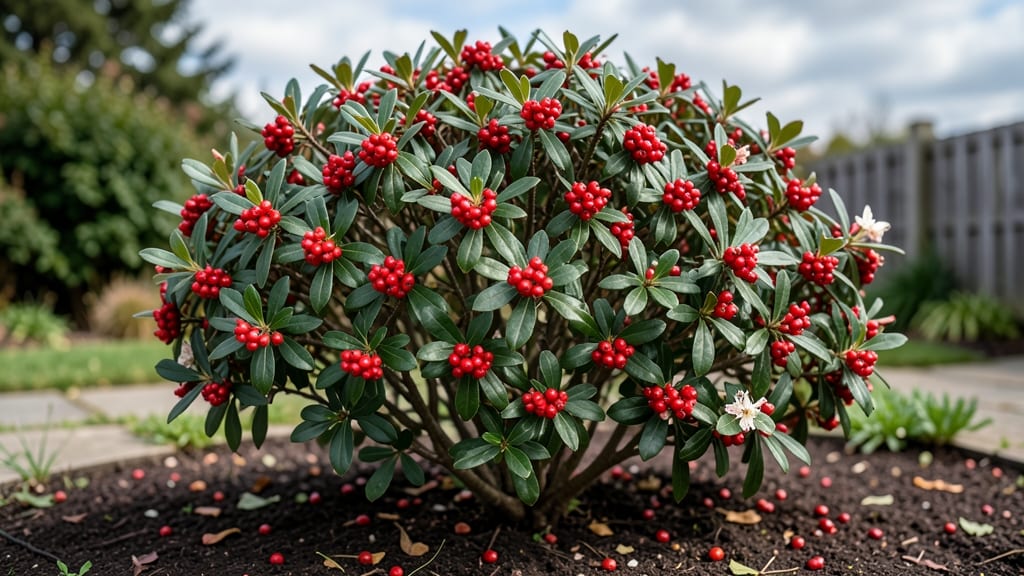
Nothing beats the sight of Crimson Fire shrub ablaze with fiery red blooms against a summer sky. 🌿 I planted mine three years ago, and it’s now the star of my sunny backyard, drawing hummingbirds and butterflies like a magnet.
This hardy shrub thrives where others struggle, making it perfect for beginners who want bold color with minimal fuss.
The secret to its success lies in just three things: full sun, well-draining soil, and occasional pruning. Unlike finicky plants, Crimson Fire tolerates heat, drought, and even poor soil—once established, it’s basically indestructible.
Start with a young plant in spring, and within a season, you’ll have a lush, flowering hedge that outshines anything at the nursery.
By autumn, your shrub will be loaded with bright red berries that persist through winter, adding texture and color when most gardens fade. The berries also feed birds, turning your yard into a wildlife hotspot.
With proper care, it grows 6-10 feet tall, making it ideal for privacy screens, foundation plantings, or even a striking focal point.
Ready to grow one? We’ll cover everything from planting to pruning, plus how to keep pests at bay—so you can enjoy those stunning blooms year after year without the guesswork.
📚 In This Guide
- What you need
- Instructions
- Tips and common mistakes
- Wrapping up and next steps
What you need
- ● Crimson Fire shrub: 1–3 nursery-grown plants (3–4 ft tall for faster results) or seeds (if starting from scratch). Pro tip: 💡 Nursery plants ensure vibrant blooms sooner!
- ● Well-draining soil: Mix of native soil + compost (50/50 ratio) or a cactus/succulent blend (if your soil is heavy clay).
- ● Organic mulch: 2–3 inches of wood chips or pine straw to retain moisture and suppress weeds.
- ● Garden trowel or shovel (for digging holes 2x wider than the root ball).
- ● Pruning shears (sterilized with rubbing alcohol) for shaping and maintenance.
- ● Garden gloves (to protect hands from thorns—Crimson Fire has sharp ones!).
- ● Watering can or hose with a gentle spray nozzle (avoid overwatering).
- ○ pH testing kit (optional)—ideal soil pH: 6.0–7.0.
- ● Sunlight: A full-sun location (6+ hours/day)—this shrub thrives in heat!
- ● Spacing: Plant 6–10 feet apart (allows airflow and reduces disease risk).
- ● Drought tolerance: Once established, water deeply 1–2x/week (less in winter).
- ● Cold hardiness: Zones 7–10 (protect young plants from frost with burlap wraps if needed).
Step-by-Step instructions for planting and caring for Crimson Fire shrubs
Here's how to get those striking red blooms thriving in your landscape—simple steps for stunning results.
🌱 Step 1: Choose the Perfect Planting Spot
Crimson Fire shrubs demand full sun exposure—at least 6-8 hours daily. Scan your yard for the sunniest location, ideally where the afternoon sun bathes the area. Avoid spots where trees or buildings cast shade after noon, as this can dull the vibrant red foliage.
Test the site by observing how much sunlight it gets over a week. If nearby plants show signs of stress (like yellowing leaves) in the afternoon, move to a sunnier spot. The shrub’s natural habitat thrives in USDA Zones 5-9, so check your local climate zone to ensure it’s a good match.
🪴 Step 2: Prepare the Soil for Strong Root Growth
Dig a hole twice as wide as the root ball but only as deep. Crimson Fire shrubs hate soggy roots, so if your soil drains poorly, mix in 2-3 inches of compost or organic matter to improve aeration. Gently loosen the roots at the bottom of the root ball before placing it in the hole.
Backfill with native soil, tamping lightly to remove air pockets. Water deeply to settle the soil around the roots. The top of the root ball should sit 1 inch above ground level—this prevents water from pooling and rotting the stem. Mulch with 2-3 inches of wood chips or shredded bark to retain moisture and regulate soil temperature.
☀️ Step 3: Water Deeply and Establish a Routine
Water immediately after planting to help roots settle into the soil. Over the next 2-3 weeks, keep the soil consistently moist—about 1 inch of water per week. You’ll know it’s right when the top 2 inches of soil feel damp but not soggy.
Once established, Crimson Fire shrubs are drought-tolerant, but young plants need regular watering. I like to water deeply every 5-7 days during dry spells, focusing on the root zone. Avoid wetting the leaves to prevent fungal issues. By 6 months, your shrub should show strong new growth—your sign it’s thriving.
✂️ Step 4: Prune for Shape and Health
Prune in late winter or early spring before new growth begins. Remove any dead, damaged, or crossing branches first. Then, shape the shrub by cutting back 1/3 of the oldest stems to encourage fresh, vibrant growth. Use clean, sharp pruners to make cuts just above a leaf node.
For a fuller look, trim back the outer branches slightly in mid-summer after flowering. Avoid heavy pruning at this time, as it can reduce next year’s blooms. If your shrub grows leggy, prune back to a strong lateral branch—this redirects energy to bushier growth. Always sterilize your tools with rubbing alcohol between cuts to prevent disease.
🌿 Step 5: Feed and Protect for Long-Term Beauty
Apply a balanced, slow-release fertilizer in early spring to support new growth. I use a 10-10-10 formula at half strength, following the package instructions. Avoid over-fertilizing, which can burn roots and reduce flowering. In fall, add a 2-inch layer of compost around the base to replenish nutrients.
Watch for pests like spider mites or scale, which love the shrub’s dense foliage. Spray with neem oil if you spot tiny webs or sticky residue on leaves. In colder climates, mulch heavily in late fall to protect roots from freezing. With proper care, your Crimson Fire shrub will burst into bold red blooms year after year.
Tips & tricks for perfect Crimson Fire shrub care
These simple strategies will help you coax the boldest red blooms from your Crimson Fire shrubs with minimal effort.
Sunlight Strategy: I learned the hard way that "full sun" isn't just a suggestion—it's non-negotiable for these shrubs. If your yard has afternoon shade, consider placing your Crimson Fire shrub near the southern edge where it gets the most intense sunlight. Watch for the leaves in Step 1: if they start looking pale or stretched, that's your cue to move it to a sunnier spot. The deeper the red, the more sunlight it's getting!
Soil Prep Secret: When preparing the hole in Step 2, don't just dig—think aeration. I like to add a handful of perlite to the compost mix if my soil is particularly dense. This creates tiny air pockets that help roots breathe, especially important for those first critical weeks after planting. The goal is soil that feels like a damp sponge, not a wet sponge.
Watering Wisdom: The 2-3 week moisture routine in Step 3 is your foundation, but here's what nobody tells you—morning watering is key. Watering in the early hours gives the soil time to absorb moisture before the heat of the day evaporates it. I set a timer on my hose for exactly 15 minutes to deliver that 1-inch weekly measurement without overdoing it. The top 2 inches should feel like a wrung-out sponge, not a swamp.
Pruning Pro Tip: When you cut back 1/3 of the oldest stems in Step 4, focus on the thickest branches first. These are the ones that have outgrown their usefulness and are stealing energy from new growth. I mark them with a piece of tape before pruning to avoid cutting healthy stems by mistake. And here's a bonus: those cut branches make fantastic cuttings for propagating new plants!
Pro Tips for Crimson Fire Shrub
- These simple strategies will help you coax the boldest red blooms from your Crimson Fire shrubs with minimal effort.
- Sunlight Strategy: I learned the hard way that "full sun" isn't just a suggestion—it's non-negotiable for these shrubs.
- Soil Prep Secret: When preparing the hole in Step 2, don't just dig—think aeration.
Frequently asked questions
Got questions about growing and caring for Crimson Fire shrubs? You’re not alone! Here are some of the most common queries—plus quick, practical answers to help you nurture vibrant, sun-loving blooms in your garden.
How fast does a Crimson Fire shrub grow, and how big will it get?
The Crimson Fire shrub grows at a moderate pace, typically adding 12–24 inches per year under ideal conditions. At maturity, it reaches 3–5 feet tall and wide, making it perfect for hedges, borders, or as a standalone focal point. Prune annually in late winter to maintain shape and encourage bushier growth. Pro tip: Well-drained soil and full sun will speed up its growth!
When is the best time to plant Crimson Fire shrubs?
Plant your Crimson Fire shrub in early spring or early fall for the best results. This gives roots time to establish before extreme summer heat or winter frost. Avoid planting in mid-summer, as the heat can stress young shrubs. If you must plant in summer, choose a cooler day and water thoroughly afterward.
What if my Crimson Fire shrub isn’t blooming as much as expected?
If your shrub is producing fewer flowers than hoped, check these common culprits:
- Insufficient sunlight: Crimson Fire thrives in full sun (6+ hours/day). Move it to a sunnier spot if needed.
- Over-fertilizing: Too much nitrogen promotes leafy growth but reduces blooms. Use a balanced, bloom-boosting fertilizer (like 10-10-10) in early spring.
- Poor pruning: Prune after flowering (late summer/fall) to avoid cutting off next year’s buds.
If the issue persists, check for pests (like spider mites) or root rot from overwatering.
How cold-hardy is the Crimson Fire shrub, and does it need winter protection?
The Crimson Fire shrub is hardy in USDA Zones 5–9, meaning it can handle winter temps down to -20°F (-29°C). In colder zones (Zone 5), mulch the base with 2–3 inches of organic mulch (like wood chips) to insulate roots. In Zone 4 or colder, consider wrapping young shrubs with burlap or using a frost cloth for extra protection.
Are there any good alternatives to Crimson Fire if I want a similar look?
If you love the bold red blooms and heat tolerance of Crimson Fire but want options, consider these Pyracantha cousins or similar shrubs:
- Orange Glow® Pyracantha: Bright orange-red berries and flowers; equally drought-tolerant.
- Firethorn (Pyracantha coccinea): Classic choice with fiery red berries and glossy leaves.
- Dwarf Firespirea (Spiraea japonica 'Taff’s Gold'): Compact, with golden foliage and pink blooms (great for small spaces).
- Abelia 'Kaleidoscope': White flowers and variegated foliage for a softer contrast.
All thrive in full sun to partial shade and offer year-round interest!
Wrapping up and next steps
The Crimson Fire shrub is a stunning, low-maintenance addition to any sunny garden, offering vibrant red blooms and year-round interest. With the right care—well-draining soil, full sun, and occasional pruning—you’ll enjoy its bold beauty for seasons to come.
Ready to transform your landscape? Start by selecting the perfect spot, prep your soil, and plant with confidence! 🌿✨
Next steps:
- Pick a sunny location with 6+ hours of light.
- Amend soil with compost for optimal drainage.
- Plant in spring or fall for best results.