
Pruning
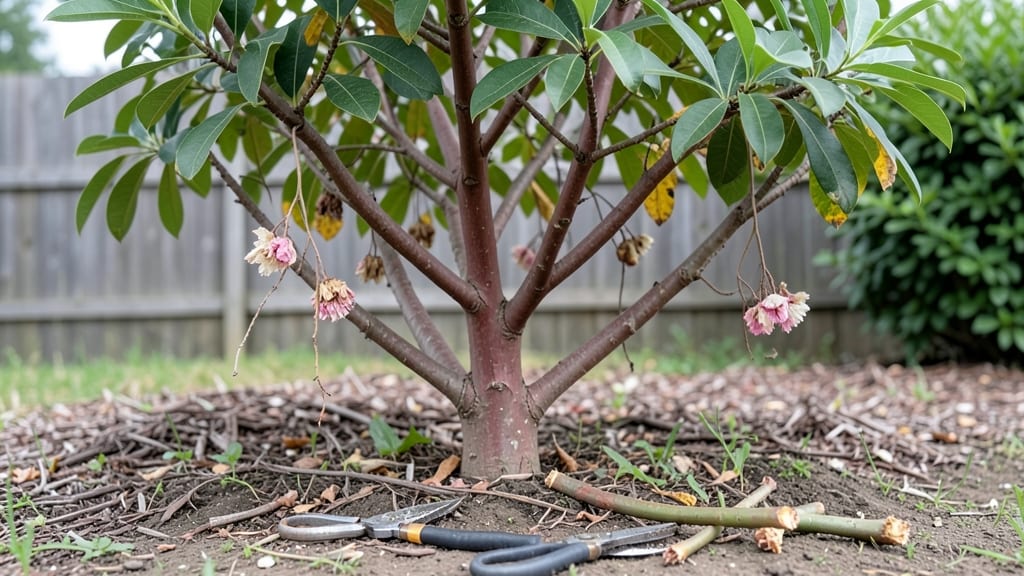
Pruning crepe myrtles the right way transforms them from leggy messes into showstopping shrubs bursting with blooms. ✨ I’ve watched these plants go from sad, overgrown clumps to sturdy, vibrant stars in my yard—just by cutting at the right time and in the right way.
The key isn’t just hacking away; it’s understanding how these shrubs grow and what they need to thrive.
You’ll need sharp pruners, a ladder for taller branches, and a clear day to work. Late winter or early spring is the best time to prune for shape, while summer pruning keeps those flowers coming.
The goal is to remove dead wood, thin out crowded branches, and encourage strong new growth—all while keeping the natural shape intact. Most people make one big mistake: pruning too late in the season or cutting into old wood, which stunts blooms.
By the time you’re done, your crepe myrtle will stand tall with lush, green foliage and clusters of vibrant blooms all summer long. The branches will be evenly spaced, letting sunlight and air flow through, which keeps the plant healthy and disease-free.
Plus, you’ll avoid the "crepe murder" look that happens when people prune too aggressively.
This method works year-round, whether you’re shaping a young shrub or rejuvenating an older one. The secret is patience—small cuts now mean big rewards in blooms and strength. Ready to give your crepe myrtle the care it deserves?
📚 In This Guide
- What you need
- Instructions
- Tips and common mistakes
- Wrapping up and next steps
What you need
- ● Pruning shears – Sharp, bypass-style shears (4–6 inches) for small branches.
- ● Loppers – Bypass or anvil-style (8–12 inches) for thicker branches (½–1½ inches).
- ● Pruning saw – Curved or folding saw for branches over 1½ inches in diameter.
- ● Gloves – Heavy-duty, cut-resistant (e.g., leather or synthetic mesh) to protect from thorns and debris.
- ○ Disinfectant (optional but recommended) – Rubbing alcohol (70%+) or bleach solution (1:9 bleach-to-water) to sterilize tools between cuts.
- ○ Pruning sealant (optional) – Tree wound paint (for large cuts, though many experts debate its necessity).
- ● Ladder or step stool – Sturdy, non-slip (6–10 feet tall, depending on shrub height).
- ● Trash bags or bucket – For collecting pruned branches and debris.
- ● Weather check – Prune on a dry, calm day (avoid wind or rain).
- ● Safety glasses – Protect your eyes from flying debris.
- ● Long sleeves/pants – Lightweight, breathable fabric to shield from thorns and sun.
- ● Water & snacks – Stay hydrated, especially if pruning on a warm day!
Instructions for pruning crepe myrtle shrubs year-round
Here's the straightforward method I use to keep crepe myrtles lush and blooming beautifully.
✂️ Step 1: Prune Dead or Damaged Wood in Late Winter
Start in late winter (just before new growth begins) by removing any dead, diseased, or broken branches. Use sharp bypass pruners to make clean cuts about ¼ inch above a bud or lateral branch. Look for branches that are hollow, cracked, or have no green tissue inside when cut open.
I always scan the entire shrub first—crepe myrtles can hide dead wood behind healthy foliage. If a branch is larger than ½ inch thick, switch to loppers for cleaner cuts. This early pruning prevents pests from moving into damaged areas and gives your shrub a strong start to the season.
✂️ Step 2: Thin Out Crowded Branches in Early Spring
Once new growth appears in early spring, focus on thinning out the center of the shrub to improve airflow. Remove branches that cross or rub against each other—these create wounds that attract disease. Aim to remove no more than 20% of the shrub’s total branches in this step to avoid stressing the plant.
I like to step back and visualize the shape I want. Crepe myrtles naturally grow in a vase-like form, so I remove branches that spoil that silhouette. Cut just above an outward-facing bud to encourage growth in the right direction. Avoid cutting back to old wood—this can reduce next year’s blooms.
☀️ Step 3: Lightly Shape After Flowering in Summer
After your crepe myrtle finishes blooming (usually late summer), do a light shaping prune to maintain its form. Remove only spent flower clusters and any branches that look overgrown or leggy. Avoid heavy pruning now—it can stimulate new growth that won’t have time to harden off before winter.
I use hand pruners for small branches and loppers for thicker ones. If a branch is growing too tall, you can cut it back to just above a bud, but keep in mind this may reduce next year’s blooms on that branch. Focus on cleaning up the overall shape rather than drastic changes.
✂️ Step 4: Clean Up in Late Fall Before Dormancy
In late fall, remove any dead or diseased branches that appeared over the growing season. This prevents pests and diseases from overwintering in the shrub. Also, trim back any suckers (shoots growing from the base) to redirect the plant’s energy into the main structure.
I always sterilize my tools with rubbing alcohol before and after pruning to avoid spreading disease. Once you’ve finished, rake up and dispose of all pruned material—don’t leave it near the shrub, as it can harbor pests. This final cleanup ensures your crepe myrtle enters dormancy in the best possible condition.
⏰ Step 5: Monitor and Adjust Year-Round
Throughout the year, keep an eye on your crepe myrtle for new growth, pests, or signs of stress. If you notice branches growing too aggressively in one direction, do a light prune to redirect energy. Avoid heavy pruning in winter—crepe myrtles are sensitive to cold damage, and late winter is the safest time for major cuts.
I’ve found that consistency is key—even small adjustments over time keep the shrub healthy and blooming beautifully. If you see yellowing leaves or stunted growth, it might be a sign of over-pruning or disease, so adjust your approach accordingly. With regular care, your crepe myrtle will reward you with stunning flowers year after year.
Tips & tricks for perfect crepe myrtle pruning
Crepe myrtles reward careful pruning with vibrant blooms and strong growth—here's how to keep yours thriving year after year.
Tool Prep is Everything: Always sterilize your pruners with rubbing alcohol before and after each use, especially when switching between shrubs. I learned this the hard way after transferring fungal spores from one plant to another. Keep a small bottle of alcohol in your pruning kit for quick disinfection between cuts. For thicker branches over ½ inch, use loppers to avoid crushing the wood—this creates cleaner wounds that heal faster.
Seasonal Timing Matters: Late winter's the prime time for major cuts because the shrub is dormant and won't bleed sap. In early spring, focus on thinning crowded branches to improve airflow, but never remove more than 20% of the plant's branches at once. This prevents shock and maintains next year's blooms. Remember, crepe myrtles bloom on new wood, so avoid cutting back to old growth.
Shape with Purpose: When visualizing your shrub's shape, imagine an inverted cone—this mimics their natural vase form. Cut just above outward-facing buds to encourage branches to grow in the right direction. For branches growing too tall, you can trim back to just above a bud, but be aware this may reduce next year's flowers on that branch. Think of each cut as sculpting rather than simply removing.
Cleanup Prevents Problems: After pruning, never leave cuttings near your shrub—they can harbor pests and diseases. Rake up all debris and dispose of it properly. In late fall, pay special attention to suckers growing from the base, as these divert energy from the main structure. A thorough cleanup before dormancy sets your crepe myrtle up for a strong spring.
Pro Tips for Crepe Myrtle Shrub Pruning
- Crepe myrtles reward careful pruning with vibrant blooms and strong growth—here's how to keep yours thriving year after year.
- Tool Prep is Everything: Always sterilize your pruners with rubbing alcohol before and after each use, especially when switching between shrubs.
- Seasonal Timing Matters: Late winter's the prime time for major cuts because the shrub is dormant and won't bleed sap.
Frequently asked questions
Got questions about pruning your crepe myrtle shrubs?
You’re not alone! Here are answers to the most common queries to keep your plants thriving—without the guesswork.
When is the best time to prune a crepe myrtle?
The ideal window is late winter or early spring (just before new growth starts). Avoid pruning in fall or winter—this can leave cuts vulnerable to disease. For light shaping, summer pruning is fine, but never prune after Labor Day (or late summer in warmer climates) to prevent stunted blooms next year.
Should I remove all the dead wood from my crepe myrtle?
Dead, diseased, or crossing branches should be cut back to healthy wood (look for green tissue inside the branch). Use clean, sharp pruners to avoid spreading pathogens. Pro tip: If a branch is over 50% dead, remove the whole thing—it won’t recover.
Can I prune my crepe myrtle into a tree shape?
Yes! Crepe myrtles are naturally tree-like, but pruning them that way requires patience. Start by removing lower branches to create a trunk (leave 6–12 inches of clearance). Over time, thin out interior branches to improve airflow. Warning: Avoid heavy topping—it encourages weak, leggy growth.
Why is my crepe myrtle bleeding sap after pruning?
Sap bleeding (or "weeping") is normal in late winter/early spring—it’s the tree’s way of healing. To minimize mess, prune on a dry day and avoid cutting into wet wood. If bleeding persists or turns dark/bubbly, it could signal disease (like bacterial canker). In that case, sterilize tools and prune only the affected areas.
What if I missed the pruning window? Can I still fix it?
Don’t panic! Light pruning (removing dead wood or shaping) can be done anytime. Just avoid heavy cuts in late summer/fall. For major pruning, wait until next winter. Bonus: Use the missed opportunity to mulch and fertilize—your crepe myrtle will bounce back stronger with a little extra care!
Wrapping up and next steps
Pruning your crepe myrtle shrub doesn’t have to be intimidating—it’s all about timing, technique, and a little patience! 🌿 By following seasonal best practices, removing dead wood, and shaping strategically, you’ll encourage vibrant blooms and lush foliage year after year.
Remember, the key is consistency and confidence—your shrub will thank you with stunning growth.
Ready to take the next step? Grab your pruners, mark your calendar for late winter or early spring, and give your crepe myrtle the care it deserves. Your garden will be the talk of the neighborhood! 🌸