
Shrubs
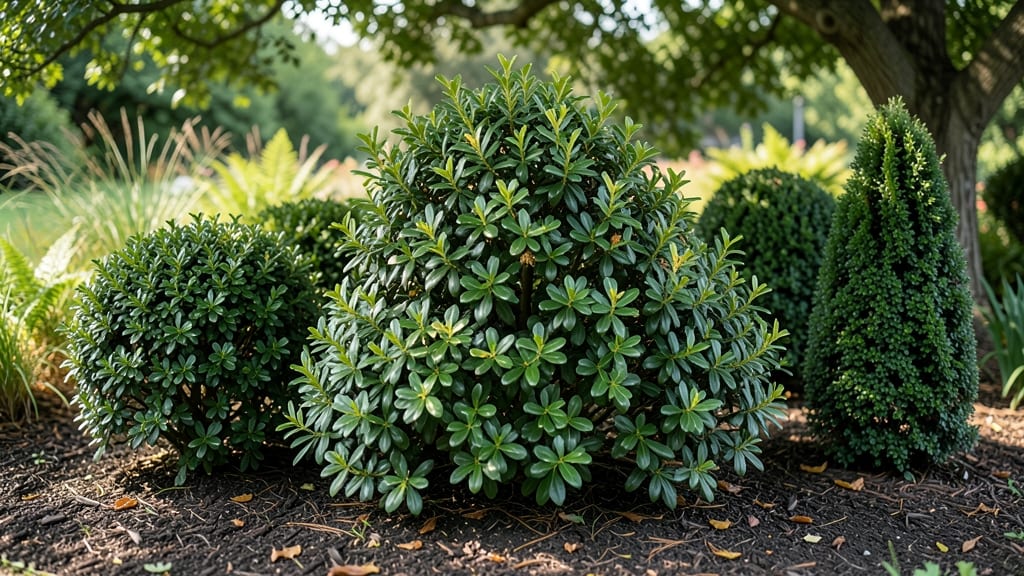
Controlling boxwood shrub height 🌿 is all about choosing the right variety and pruning smartly—because a 3-foot dwarf and a 12-foot standard need completely different approaches.
Picture this: you’ve spent months shaping your boxwood into a perfect hedge, only to watch it shoot up another foot by summer. It’s frustrating, but the good news?
With the right techniques, you can keep your boxwoods at your desired height—whether that’s a low border or a towering backdrop—without damaging the plant.
From selecting dwarf varieties that stay under 3 feet to strategic pruning that encourages bushier growth instead of height spikes, there are simple ways to maintain that polished look.
Plus, I’ll share my go-to organic methods for slowing growth naturally, so you never have to worry about over-trimming or chemical treatments.
Ready to take the guesswork out of boxwood care? You’ll learn exactly how to prune, when to do it, and which varieties grow the slowest—so your shrubs stay lush, healthy, and exactly the size you want.

Natural pruning techniques to control boxwood shrub height effectively
Boxwood shrubs are the backbone of many manicured gardens, offering year-round structure and lush greenery. But when they outgrow their space, controlling boxwood shrub height becomes a challenge. The key is pruning strategically—not just cutting back randomly—which keeps your shrubs healthy while maintaining your desired shape and size.
With the right techniques, you can naturally manage growth without harsh chemicals or extreme measures.
Pruning boxwoods isn’t just about height control; it’s also about encouraging dense foliage and preventing disease. Many gardeners make the mistake of pruning at the wrong time or using dull tools, which can stress the plant.
I’ll walk you through seasonal pruning schedules, the best tools to use, and how to shape your boxwoods without sacrificing their natural beauty. Whether you’re dealing with dwarf varieties or towering standards, these methods will work for you.
Why pruning matters: Boxwoods grow slowly, so timing is everything. Prune too much at once, and you risk exposing bare stems or weakening the plant. Prune at the right time, and you’ll encourage fuller growth and maintain that neat, polished look that makes boxwoods so popular. Let’s dive into the step-by-step process to keep your boxwoods at the perfect height.
Step-by-Step Pruning Guide for Boxwood Height Control
-
Step 1: Choose the Right Time
Prune boxwoods in late spring or early summer (May-June) when new growth is visible but hasn’t hardened off. Avoid pruning in fall or winter, as this can stress the plant before dormancy. -
Step 2: Gather the Right Tools
Use sharp, clean pruners (bypass pruners for small branches, loppers for thicker stems) and sterilize tools with rubbing alcohol to prevent disease spread. A hand pruner with a bypass blade ensures clean cuts. -
Step 3: Start with Light Pruning
Remove dead, diseased, or crossing branches first. Then, trim back overgrown stems by no more than 1/3 to avoid shocking the plant. Focus on outer growth to maintain a full, rounded shape. -
Step 4: Shape Gradually
For height control, trim the topmost growth just above a leaf bud or set of leaves. Avoid cutting into old wood, as boxwoods won’t regrow from bare stems. Use a handheld hedge trimmer for even cuts. -
Step 5: Thin Out the Center
Boxwoods can become woody and sparse in the center. Trim back selective inner branches to allow light and air circulation, which promotes denser foliage and prevents pests. -
Step 6: Clean Up and Monitor
Remove all pruned debris from the base of the plant to reduce disease risk. Water deeply after pruning to reduce stress. Monitor growth over the next few weeks and prune lightly again in late summer if needed.
For dwarf boxwood varieties like 'Green Velvet' or 'Winter Gem,' you’ll want to be even more conservative with pruning. These varieties stay under 3 feet tall and can handle minimal trimming—just enough to shape and encourage bushiness.
Use the same techniques but reduce the amount you cut by half to avoid stunting growth.
If your boxwoods are taller than desired, focus on reducing height incrementally. Never cut back more than 1/3 of the plant’s height in a single session.
For example, if your boxwood is 6 feet tall and you want it at 4 feet, spread the pruning over two seasons to avoid stress. This gradual approach ensures the plant retains its vigor and doesn’t develop bare spots.
One common mistake is pruning too late in the season. If you trim boxwoods in late summer or fall, new growth may not harden off before winter, leaving them vulnerable to cold damage or frost burn.
Stick to spring or early summer pruning for the best results. If you must prune in fall, do so at least 6 weeks before the first frost to allow time for recovery.
After pruning, mulch around the base of your boxwoods with 2-3 inches of organic mulch (like shredded bark or pine needles) to retain moisture and regulate soil temperature.
This step is crucial for reducing stress and encouraging healthy regrowth. Pair this with regular watering (deep soaks once a week) to keep your boxwoods thriving.
Remember, boxwoods respond well to gentle care. Avoid heavy-handed pruning, and always follow the natural shape of the plant. With these techniques, you’ll maintain compact, lush boxwoods that stay within your desired height—naturally and without stress. Happy pruning! ✂️🌿
Best boxwood varieties for compact growth and low maintenance
If you're working with limited space or want a low-maintenance evergreen that stays neatly contained, choosing the right boxwood variety is key. Dwarf and semi-dwarf types are perfect for small gardens, container plantings, and formal hedges.
These varieties grow slowly and require minimal pruning, making them ideal for busy gardeners or urban spaces. Let's explore the best compact options that thrive in different climates and garden styles.
When selecting boxwoods for height control, focus on mature height and growth rate. Dwarf varieties typically reach 1-3 feet tall, while semi-dwarf types max out around 3-5 feet. Many of these varieties also have dense foliage and excellent disease resistance, reducing the need for heavy maintenance.
Below, we compare the top compact boxwoods to help you make the perfect choice for your garden.
| Variety | Mature Height | Growth Rate | Best For | Hardiness Zones |
|---|---|---|---|---|
| 'Green Mountain' | 1.5-2 ft | Slow | Containers, borders | 4-8 |
| 'Winter Gem' | 2-3 ft | Very slow | Urban gardens, hedges | 5-8 |
| 'Little Gem' | 3-4 ft | Moderate | Foundation plantings | 4-9 |
| 'Nana' | 1-2 ft | Very slow | Rock gardens, containers | 4-8 |
| 'Globe' | 2-3 ft | Slow | Topiary, bonsai | 5-8 |
'Green Mountain' is one of my favorite dwarf boxwoods for its compact size and dark green foliage. It grows just 1.5-2 feet tall and thrives in partial shade, making it perfect for underplanting larger shrubs.
This variety is also highly resistant to boxwood blight, a common disease that can affect other types. For urban gardens or small patios, 'Winter Gem' is another excellent choice with its nearly round shape and cold-hardy nature.
If you need something slightly taller but still low-maintenance, consider 'Little Gem'. This semi-dwarf variety reaches 3-4 feet and has a pyramidal shape that works beautifully in found