
Shrubs
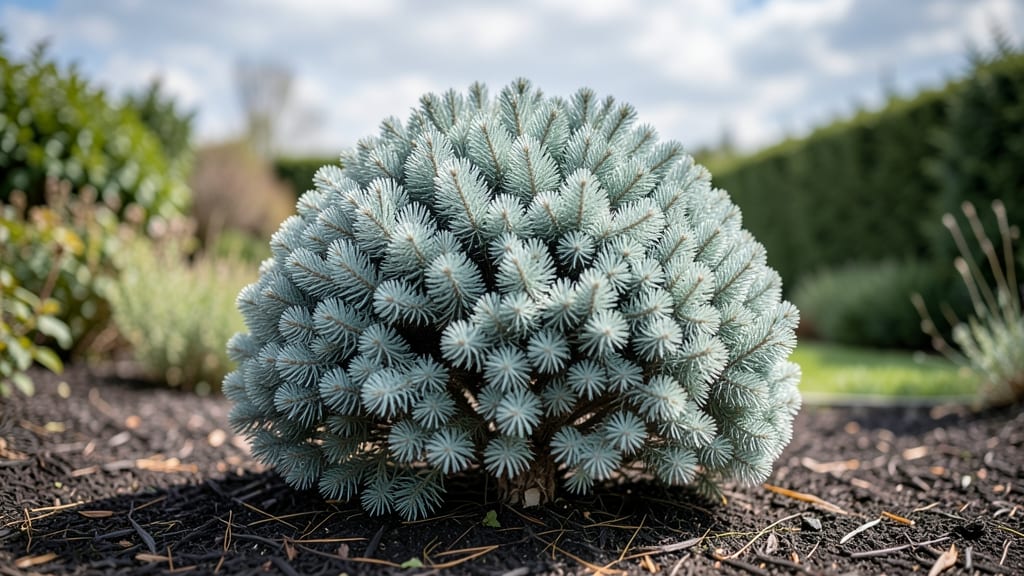
Your Colorado spruce shrub needs one key trick to stay dense, blue-green, and free of those pesky thorns: pruning at the right angles. ✂️ I’ve watched my own shrubs go from scraggly to showstopping just by adjusting how—and when—I trim, and I’m sharing the exact method that works even for beginners.
The secret starts with soil that drains like a dream (think sandy loam mixed with compost) and full sun for at least 6 hours a day. Water deeply once a week—more in summer heat—then let the roots breathe.
Skip the mulch pile unless you’re in a hot climate, or you’ll smother those roots. By pruning in late winter or early spring, you’ll encourage fresh, vibrant growth that keeps the shrub compact and its signature blue hue vibrant.
The right cuts prevent those sharp thorns from forming, leaving you with a soft, lush canopy perfect for year-round interest. Works for both new plantings and mature shrubs—just adjust the timing and intensity. Here’s how to get it right without turning your shrub into a tangled mess.
📚 In This Guide
- What you need
- Instructions
- Tips and common mistakes
- Wrapping up and next steps
What you need
- ● Colorado spruce shrub: 1-2 young plants (3-5 feet tall) or a mature shrub for pruning (check local nurseries for disease-resistant varieties like Picea pungens).
- ● High-quality potting soil or garden soil: 5-10 gallons (amend with compost for drainage).
- ● Organic mulch: 2-3 inches of pine bark or shredded cedar (preserves moisture and deters weeds).
- ● Slow-release fertilizer: 10-10-10 or acidic fertilizer (e.g., Osmocote) for spruce-specific nutrition.
- ● Pruning shears: Bypass shears (sharp, sterilized with rubbing alcohol to prevent disease).
- ● Gloves: Heavy-duty work gloves (spruce needles can be prickly!).
- ○ Loppers: For thicker branches (optional if pruning small shrubs).
- ● Pruning saw: For stubborn, woody growth (rarely needed for shrubs).
- ● Hose with nozzle: For post-pruning cleanup (avoid overhead watering).
- ● Plant support: 3-4 stakes + twine (if transplanting young shrubs).
- ● Fungicide: Copper-based spray (preventative measure for spruce rust).
- ● Location: Full sun (6+ hours/day) and well-draining soil (pH 5.0–6.0). Avoid low spots where water pools.
- ● Timing: Plant in early spring or fall (avoid summer heat). Prune after new growth appears (late spring/early summer).
- ● Safety: Check for power lines or buried utilities before digging.
How to grow and prune a healthy Colorado spruce shrub
This evergreen stays vibrant and thorn-free with the right care and pruning approach.
🪴 Step 1: Choose the Right Planting Location
Colorado spruce thrives in full sun with at least 6 hours of direct light daily. Pick a spot with well-draining soil—these trees hate soggy roots. I always test the soil by digging a 12-inch hole and checking for water pooling. If it drains slowly, amend with 2-3 inches of coarse sand before planting.
The ideal site also protects from harsh winter winds. A north-facing wall or cluster of other evergreens shields the shrub while still allowing sunlight. If planting in a container, use a 15-gallon pot with drainage holes and fill with a mix of 60% potting soil and 40% perlite for aeration.
🌱 Step 2: Plant at the Correct Depth and Spacing
Dig a hole twice as wide as the root ball but no deeper—planting too low suffocates roots. Gently loosen the root ball if it’s tightly packed, then place the spruce so the top of the root ball sits 1-2 inches above ground level. This prevents water from pooling at the base and rotting the trunk.
Space shrubs 8-10 feet apart for mature growth. If planting multiple trees, arrange them in a staggered pattern to create a natural, wind-resistant barrier. Water deeply right after planting to settle the soil and remove the pot if using a container-grown tree.
☀️ Step 3: Water Deeply but Infrequently
Water newly planted Colorado spruce once a week for the first 3 months, providing 1-2 gallons per tree each time. After establishment, water only when the top 2 inches of soil feel dry—overwatering causes root rot. I check moisture by inserting my finger into the soil; if it’s damp below the surface, wait a few more days.
Mulch around the base with 3 inches of pine straw or wood chips, keeping it 6 inches away from the trunk to prevent moisture buildup. This conserves water, regulates soil temperature, and suppresses weeds. Avoid heavy mulch piles, which can smother roots.
✂️ Step 4: Prune for a Thorn-Free Canopy
Prune in late winter or early spring before new growth begins. Use clean, sharp bypass pruners to make cuts at a 45-degree angle just above a healthy bud. Remove dead, diseased, or crossing branches first—they block sunlight and invite pests.
To encourage a fuller shape, trim back 1/3 of the longest branches each year. Focus on the outer third of the shrub to maintain a natural, dense form. Avoid heavy pruning in summer, as it stresses the tree and invites spider mites. After pruning, sterilize tools with 70% isopropyl alcohol to prevent disease spread.
🌿 Step 5: Fertilize and Monitor for Pests
Apply a slow-release, balanced fertilizer (10-10-10) in early spring and again in mid-summer. Follow package instructions, but I halve the dose for established trees—too much fertilizer burns roots. Water deeply after applying to help nutrients absorb.
Watch for spider mites or bagworms, which target stressed spruce. If you spot webbing or chewed needles, spray with neem oil or introduce beneficial nematodes for organic control. Healthy trees rarely suffer pests, so proper watering and pruning are your best defenses.
Tips & tricks for perfect Colorado spruce shrub care
Keeping your Colorado spruce thriving—and thorn-free—boils down to a few key strategies that save time and frustration.
Soil Test First: Before planting, dig that 12-inch hole and do the "water test"—if water pools after 10 minutes, you absolutely need to amend with 2-3 inches of coarse sand. I’ve seen Colorado spruce fail spectacularly in heavy clay because of this one oversight. The goal is a soil mix that drains like a well-made coffee filter: fast but thorough.
Pruning Angle Matters: When you trim in late winter, those 45-degree cuts above healthy buds aren’t just aesthetic—they direct growth patterns. Cut too straight, and you’ll get awkward stubs that look unnatural. I mark the cut line with a pencil first to visualize where the bud sits before making the cut. This small step prevents those "haircut gone wrong" moments.
Mulch Like a Pro: That 3-inch layer of pine straw isn’t just decoration—it’s a moisture regulator. I always keep it 6 inches from the trunk to prevent rot, but here’s the trick: refresh the mulch annually in early spring. Old mulch breaks down and becomes a water-blocking mat. Think of it as giving your tree a fresh blanket every year.
Fertilizer Timing Trick: The instructions say to halve the dose for established trees, but I’ve found that applying fertilizer in early spring and mid-summer aligns perfectly with the tree’s natural growth cycles. The key is watering deeply right after—this helps the nutrients reach the roots instead of sitting on the surface where they can burn tender foliage.
Pro Tips for Colorado Spruce Shrub
- Keeping your Colorado spruce thriving—and thorn-free—boils down to a few key strategies that save time and frustration.
- Soil Test First: Before planting, dig that 12-inch hole and do the "water test"—if water pools after 10 minutes, you ...
- Pruning Angle Matters: When you trim in late winter, those 45-degree cuts above healthy buds aren’t just aesthetic—th...
Frequently asked questions
Is a Colorado spruce shrub really thorn-free?
The Colorado spruce (Picea pungens) itself isn’t thorn-free, but when pruned strategically—especially by shaping at 30-45° angles—you can create a dense, soft canopy that minimizes sharp tips. Focus on trimming new growth in late spring to encourage bushier, less prickly foliage. Pro tip: Use sharp bypass pruners to avoid tearing branches!
When’s the best time to prune my Colorado spruce shrub?
Timing is everything! Prune in late winter or early spring (February–March) to remove dead or crossing branches before new growth starts. Avoid heavy pruning in summer or fall, as it stresses the shrub. For shaping, light trims in late spring work too—but never prune more than 25% of the foliage in one session.
Can I grow a Colorado spruce shrub in a container?
Yes, but it’s tricky! Colorado spruces grow 10–20 feet tall and need deep, well-draining soil. Choose a large container (minimum 24” diameter) with drainage holes and use a fast-draining mix (e.g., 60% pine bark, 30% perlite, 10% sand). Move it outdoors in spring/summer and bring it inside if temps drop below 10°F.
Why are my Colorado spruce needles turning brown?
Brown needles usually signal drought stress, pests, or disease. Check for:
- Spider mites (tiny webs on needles) – Spray with water or neem oil.
- Bagworms (sawdust-like nests) – Handpick or use Bt spray.
- Root rot (mushy stems, foul smell) – Improve drainage and avoid overwatering.
What’s a good alternative if I want a thorn-free evergreen?
If thorns are a dealbreaker, consider these low-maintenance, soft-needled options:
- Leyland cypress (× Cupressocyparis leylandii) – Fast-growing but needs space.
- Emerald green arborvitae (Thuja occidentalis ‘Smaragd’) – Compact and dense.
- Dwarf Alberta spruce (Picea glauca ‘Conica’) – Slow-growing, naturally bushy.
Wrapping up and next steps
The Colorado spruce shrub is a stunning, low-maintenance addition to any landscape—especially when shaped with strategic pruning angles! 🌲 With the right tools, timing, and techniques, you’ll enjoy a thorn-free, lush canopy that thrives year after year. Remember, patience and consistency are key, so don’t rush the process.
Ready to transform your yard? Grab your pruners and start experimenting with angles today—your evergreen beauty will thank you! For even more inspiration, explore local Colorado spruce varieties or connect with gardening communities to share your progress. Happy pruning! ✂️