
Shrubs
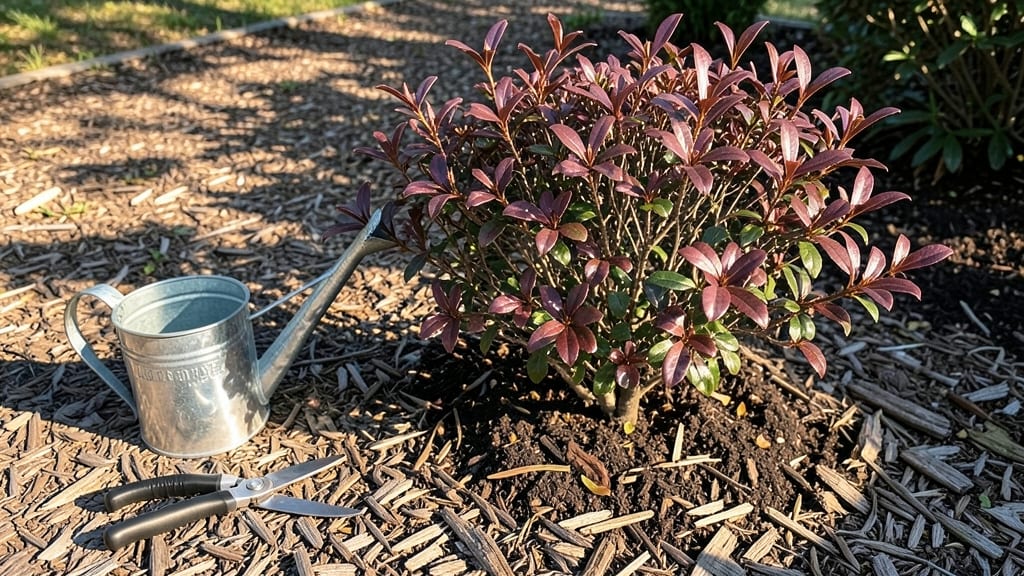
Caring for barberry shrubs unlocks year-round fragrance and striking foliage with minimal fuss. 🌿 These tough plants thrive in full sun to partial shade, handling everything from rocky soil to urban pollution—once you master their pruning rhythm.
My first barberry bloomed in late spring, then stayed lush through winter, proving how low-maintenance they truly are. The real secret lies in late winter pruning before new growth starts. Snip back old stems by one-third to encourage fresh, vibrant shoots and those signature red berries.
Barberries also tolerate drought once established, but a deep watering every 1-2 weeks keeps them looking their best during dry spells. You'll end up with glossy, spiny foliage that glows in every season—deep green in summer, fiery hues in fall, and even winter interest.
The berries attract birds while keeping deer away, making them a dual-purpose powerhouse for any landscape. Works equally well as a hedge, foundation plant, or mixed border. Here’s how to keep yours thriving all year."
📚 In This Guide
- What you need
- Instructions
- Tips and common mistakes
- Wrapping up and next steps
What you need
- ● Pruning shears: Bypass pruners (sharp, clean, and sterilized with rubbing alcohol to prevent disease). Quantity: 1 pair.
- ● Loppers: For thicker branches (16–24 inches). Quantity: 1 pair.
- ● Gloves: Heavy-duty gardening gloves (cut-resistant for thorny varieties like Berberis). Quantity: 1–2 pairs.
- ● Disposable pruning saw: For stubborn, thick stems (if needed). Quantity: 1.
- ○ Pruning sealant: Optional but helpful for large cuts (e.g., Tanglefoot Tree Wound Pruning Seal). Quantity: Small bottle.
- ● Garden hose or spray bottle: For rinsing tools and cleaning sap.
- ● Rubbing alcohol (70% isopropyl) or bleach solution: For sterilizing tools between cuts. Mix: 1 part bleach to 9 parts water.
- ● Pruning paint: For sealing cuts on older shrubs (e.g., Tree Seal).
- ● Mulch: Organic mulch (2–3 inches) to retain moisture and suppress weeds.
- ● Fertilizer: Slow-release granular fertilizer (10-10-10 ratio) for post-pruning nourishment.
- ● Plant support stakes: If your barberry is young or leggy (e.g., bamboo stakes + soft ties).
- ● Camera or notebook: To track pruning progress and note growth patterns.
Instructions for caring for barberry shrubs
Here's how to keep your barberry shrubs thriving with minimal fuss—just a few key timing tricks.
✂️ Step 1: Prune for Shape and Health in Late Winter
Barberries bloom on old wood, so I wait until February or early March when the plant is still dormant but before new growth begins. Grab your pruning shears and remove any dead, diseased, or crossing branches first—these are the easiest to spot against the bare stems. Cut back to a healthy bud or side branch to encourage new growth in the right direction.
Next, shape the shrub by thinning out crowded branches from the center. I aim to keep the interior open to improve airflow and sunlight penetration. Barberries handle pruning well, but never remove more than 25% of the plant's total growth in one season. You'll see fresh green shoots emerging within a few weeks—that's your signal everything's on track.
🌿 Step 2: Monitor Growth and Prune Lightly After Flowering
Once your barberry finishes blooming in spring or early summer, it's time for a light maintenance prune. I focus on tidying up any branches that spoil the shape or grow too leggy. Cut just above a leaf bud at a 45-degree angle to prevent water from pooling on the cut. This encourages bushier growth and keeps the plant compact.
Watch for any suckers growing at the base of the shrub—these are aggressive and can weaken the main plant. Snip them off at ground level immediately. The key here is to prune lightly; barberries respond better to gradual shaping than drastic cuts. You'll notice new foliage filling in within a month of this light pruning.
💧 Step 3: Water and Fertilize for Year-Round Fragrance
Barberries are drought-tolerant once established, but I water deeply once a week during the first growing season to help roots spread. After that, water only when the top 2-3 inches of soil feel dry—usually about every 2-3 weeks in normal weather. Overwatering is the biggest mistake I see, leading to root rot and yellowing leaves.
Apply a balanced 10-10-10 fertilizer in early spring and again in mid-summer to keep the plant vibrant. I use about ½ cup per shrub, spread evenly around the root zone. After fertilizing, water deeply to help the nutrients soak into the soil. You'll see glossier leaves and more abundant blooms as a result.
⏰ Step 4: Prepare for Winter Dormancy in Fall
As temperatures drop in late fall, barberries begin preparing for dormancy. I stop fertilizing by mid-October to let the plant focus on hardening off. Remove any dead or diseased foliage, but leave the healthy leaves—they provide some winter protection. Mulch around the base with 2-3 inches of organic mulch to insulate roots and retain moisture.
Barberries are hardy and generally need no winter protection, but in colder climates, I add a layer of burlap around the shrub to shield it from harsh winds. In spring, remove the mulch and burlap as soon as new growth appears. This timing ensures the plant wakes up gently and avoids any shock from sudden temperature changes.
Tips & tricks for perfect barberry shrub care
Timing is everything when it comes to keeping your barberry shrubs looking their best—these small adjustments make all the difference.
Timing Your Late Winter Prune: In Step 1, when you're pruning in February or early March, check the weather forecast before you start. If a warm spell is predicted, delay pruning until after it passes—new growth can be vulnerable to late frosts. I always do this on a dry, overcast day to reduce stress on the plant. The goal is to finish pruning before buds begin to swell, which usually happens by mid-March in most climates.
Pruning Angle Matters: During Step 2's light maintenance prune, pay close attention to that 45-degree angle when cutting. Use your pruning shears to make clean cuts just above a leaf bud—this prevents water from collecting on the cut and encourages new growth. I like to hold the branch firmly with one hand while cutting with the other to avoid tearing the bark, which can introduce disease.
Watering Wisdom: In Step 3, when you're establishing your watering routine, I recommend using a rain gauge to track moisture levels. The top 2-3 inches of soil should feel dry before watering again—stick your finger in the soil to check. Early morning watering is best as it gives leaves time to dry before evening, reducing fungal risks. For container-grown barberries, you may need to water more frequently since they dry out faster.
Fall Preparation Checklist: When preparing for winter dormancy in Step 4, make sure to remove all diseased foliage but leave the healthy leaves—they act as natural insulation. I also recommend adding a layer of compost to your mulch for extra nutrients that'll help next year's growth. In colder regions, consider wrapping young shrubs with burlap to protect them from harsh winds, especially if they're newly planted.
Pro Tips for Care For Barberry Shrubs
- Timing is everything when it comes to keeping your barberry shrubs looking their best—these small adjustments make al...
- Timing Your Late Winter Prune: In Step 1, when you're pruning in February or early March, check the weather forecast ...
- Pruning Angle Matters: During Step 2's light maintenance prune, pay close attention to that 45-degree angle when cutt...
Frequently asked questions
about caring for barberry shrubs—because even the hardiest plants need a little guidance! Here are answers to the most common queries to keep your shrubs thriving year-round.When is the best time to prune barberry shrubs for healthy growth?
Prune barberries late winter or early spring (just before new growth starts) to encourage vibrant blooms and dense foliage. Avoid heavy pruning in fall—it can stimulate tender new growth that may frost damage. Light shaping in summer is fine, but never prune after mid-summer to prevent weak winter growth.
How do I protect barberry shrubs from winter damage?
Barberries are generally cold-hardy, but young plants or tender varieties (like Berberis thunbergii) benefit from a 3-inch layer of mulch around the base. Avoid piling mulch against stems to prevent rot. In extreme cold zones, wrap the shrub loosely in burlap or use frost cloth for added protection.
What pests or diseases should I watch for, and how do I treat them?
Common issues include spider mites, aphids, and rust fungus. For pests, spray with neem oil or insecticidal soap. Rust (brown spots on leaves) is treated by removing infected leaves and applying fungicide in early spring. Prune for airflow to reduce humidity-related problems.
Can I grow barberry shrubs in containers? If so, what’s the best soil mix?
Yes! Barberries thrive in containers with well-draining soil—mix equal parts potting soil, perlite, and compost. Use a pot with drainage holes and repot every 2–3 years to refresh the soil. Place containers in full sun to partial shade and water when the top inch of soil is dry.
Are there drought-tolerant barberry varieties for low-maintenance gardens?
Try Berberis 'Rose Glow' or 'Helmond Pillar'—both are drought-resistant once established (after 1–2 years). Mulch heavily to retain moisture, and water deeply but infrequently during dry spells. These varieties also handle poor soil better than fussy hybrids.
Why are my barberry leaves turning yellow, and how do I fix it?
Yellow leaves often signal overwatering, nutrient deficiency, or root rot. Check soil moisture—barberries prefer it slightly dry between waterings. Amend soil with iron sulfate for chlorosis (yellowing between veins) or fertilize in early spring with a balanced 10-10-10 formula. Ensure pots/containers drain well.
Wrapping up and next steps
Caring for your barberry shrubs doesn’t have to be complicated—just timely and intentional! 🌿 With the right pruning techniques, soil prep, and seasonal attention, you’ll enjoy their vibrant foliage, fragrant blooms, and sturdy structure for years.
Remember, consistency is key, whether you’re shaping them in early spring or cleaning up after winter.
Ready to level up your shrub game? Start by booking a quick garden check-in—or grab your pruners and give those branches a fresh trim this weekend. Your barberries (and your curb appeal!) will thank you! 🌟