
Shrubs
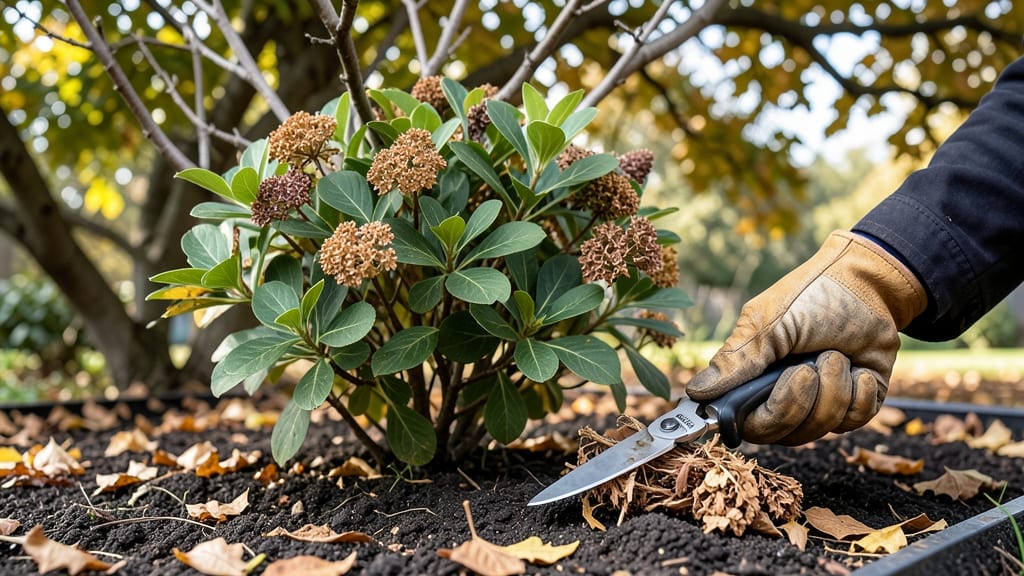
You can trim shrubs in the fall, but the approach varies by plant type and your local climate—avoid major cuts on spring-blooming varieties, while evergreens and summer-flowering shrubs often tolerate late-season shaping in cooler areas. Always sanitize your tools and prune at the right time for each species.
Fall pruning offers a second chance to shape your landscape, but timing and technique matter more than ever. 🔥 Spring-blooming shrubs like lilacs or azaleas need their buds set in early winter, so heavy cuts now could mean fewer flowers next year.
On the other hand, evergreens like boxwoods and summer-bloomers such as abelia can handle light trimming to encourage denser growth before winter dormancy. In warmer climates, some shrubs even benefit from a light haircut to reduce stress before the heat of summer.
What makes fall pruning tricky is the balance between cleanup and plant health. Over-trimming now can expose shrubs to frost damage or disease as they prepare for winter.
I always recommend checking your local frost dates and sticking to 10-30% of the plant's volume for any cuts—this keeps the shrub strong while giving you that tidy look. Plus, removing dead or diseased branches in fall prevents pests from overwintering in your garden.
💡 In This Article
- Fall Pruning Rules by Shrub Type and Climate
- Step-by-Step Fall Shrub Trimming Guide
Fall pruning rules by shrub type and climate
Spring-blooming shrubs like lilacs and forsythia set their flower buds in late summer or early fall, which means cutting them back now removes next year's blooms. The buds form on old wood, so any pruning after they've set (typically by mid-September in most zones) risks sacrificing your spring display.
For these shrubs, fall is strictly for cleanup—removing dead branches or lightly shaping to avoid winter wind damage. The key is to never exceed 10% of the plant's volume in late-season cuts.
Evergreens like boxwoods and yews, however, thrive with light fall pruning because their growth cycle isn't tied to seasonal blooms. These plants benefit from shaping in late fall to encourage dense new growth in spring.
In USDA zones 5-7, where winters are colder, prune evergreens by late October to avoid frost damage to fresh cuts. The rule of thumb is to remove no more than 1/3 of the plant's height—this maintains their natural form while preventing stress.
Warmer climates (zones 8+) allow slightly later trimming, up to mid-November, when temperatures stay above 40°F.
Summer-flowering shrubs like hydrangeas and abelia respond differently—they bloom on new wood, so fall pruning actually encourages bigger, bushier growth next season. These plants can handle 20-30% reduction in late fall, especially if you're aiming for a cleaner look before winter.
The science here is about growth hormones: cutting back now removes old growth that would compete with new shoots in spring. Just avoid pruning too close to winter dormancy (6-8 weeks before first frost) to let the plant harden off properly.
Climate plays a critical role in fall pruning success. In colder regions (zones 3-5), wait until after the first hard frost to trim—this allows the plant to enter dormancy naturally. Fresh cuts in late fall can attract pests or fail to heal before winter.
Conversely, in mild climates (zones 8-10), shrubs may stay active longer, so prune by early November to avoid encouraging new growth that could be damaged by unexpected cold snaps. Always check your local USDA zone and first frost date to time it right.
Disease risk is another climate-dependent factor. In humid areas, fall pruning can spread fungal spores if tools aren't sterilized properly. I always clean my pruners with a 10% bleach solution between cuts on shrubs like boxwoods, which are prone to powdery mildew.
The goal is to remove only what's necessary—dead wood, crossing branches, or overgrowth that's blocking sunlight from the center of the plant. Over-trimming now weakens the shrub's ability to store energy for winter recovery.
One exception to these rules is when dealing with invasive shrubs like privet or burning bush. These can be heavily pruned in fall to control spread, but even then, it's better to do it in stages over 2-3 years to avoid shocking the plant.
The root system needs time to adjust to the reduced canopy. For most ornamental shrubs, however, fall is about maintenance—not transformation. Think of it as giving your plants a final haircut before they tuck in for winter.