
Pruning
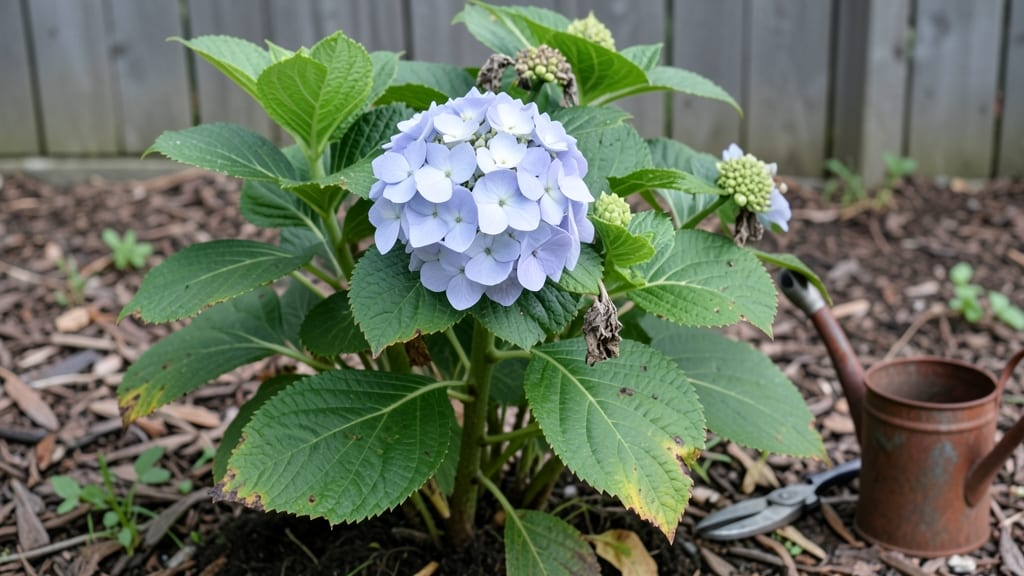
Mastering bush shrub identification begins with spotting the subtle traits—leaf edges, flower clusters, and bark texture—that define each plant, details most gardeners miss until they’re pruning the wrong shrub. ✨ or treating a disease incorrectly.
The right ID means choosing plants that thrive in your yard, bloom when you want, and fit your landscape vision without turning into a maintenance headache.
Take hydrangeas and boxwoods, for example—they share compact shapes but differ wildly in leaf shape, flower form, and growth speed. A simple chart of leaf margins (smooth vs. serrated) and flower clusters (flat vs. rounded) cuts identification time from hours to minutes.
Seasonal shifts matter too: evergreens stay green, but deciduous shrubs change color dramatically in fall, revealing hidden clues about their species.
Once you recognize these traits, pruning becomes strategic instead of guesswork. Knowing whether a shrub blooms on old or new wood determines when to trim—cut too early, and you lose next year’s flowers.
The same goes for spacing: some shrubs need 3 feet between plants, while others spread aggressively and need barriers. Mastering ID transforms your garden from a collection of plants into a cohesive, low-stress landscape.
Grab a magnifying glass, a notebook, and start comparing plants in your neighborhood or local parks. Apps like PlantNet and books like Shrubs for the Home Garden turn beginners into confident identifiers.
The more you practice, the more your garden will reward you with fewer surprises and more intentional design. Let’s sharpen those observation skills—your shrubs are waiting to be understood.
The Hidden Triggers Behind Misidentification
Misidentifying a bush or shrub can happen even to seasoned gardeners, and understanding the root causes helps sharpen your eye. Here’s why mistakes happen—and how to avoid them.
Many shrubs share similar growth habits, leaf shapes, or flower structures, making them look nearly identical at first glance.
For example: - Rhododendrons vs. Azaleas: Both belong to the Ericaceae family and have glossy leaves, but azaleas bloom earlier and often have smaller, more clustered flowers. - Boxwood vs. Holly: Both have dense foliage, but holly leaves are spiny-edged, while boxwoods are smooth. - Pro Tip 💡: Focus on flower structure (e.g., petal count, arrangement) and leaf undersides (hairy vs. smooth) for key distinctions.
A shrub’s look shifts dramatically with the seasons:
- Spring: New leaves may be fuzzy or differently colored (e.g., Forsythia’s bright yellow blooms vs. Lilac’s purple clusters).
- Fall/Winter: Deciduous shrubs (like Crape Myrtle) shed leaves, while evergreens (like Juniper) retain theirs—but some, like Oakleaf Hydrangea, turn fiery red.
- Action Step ✨: Take year-round notes on leaf texture, bark color, and bud shapes to track changes.
Local growing conditions can warp a plant’s true form:
- Drought Stress: Shrubs like Russian Olive may appear stunted or lose leaves, mimicking a different species.
- Rich Soil: Hydrangeas in acidic soil turn blue, while alkaline soil makes them pink—easy to mistake for Blueberry Bushes.
- Solution 🔍: Compare your plant to reference photos from your region (e.g., USDA Plant Hardiness Zone maps).
Our brains fill gaps with what we expect to see:
- Confirmation Bias: If you think a bush is a Lavender, you might overlook its square stems (a dead giveaway for Mint family plants).
- Lack of Reference: Without a visual key (like our guide!), distinguishing Spirea (arching branches) from Weigela (upright growth) becomes harder.
- Fix 🎯: Use a field guide app (like PictureThis or iNaturalist) to cross-check traits in real time.
Insects, fungi, or disease can drastically alter a shrub’s appearance:
- Spider Mites: Cause stippling on Rose of Sharon leaves, making them look like Honeysuckle.
- Powdery Mildew: Turns Ninebark leaves white, resembling Cotoneaster’s fungal spots.
- Prevention 🛡️: Inspect undersides of leaves and stems for unusual marks—these are red flags for misidentification.
Young shrubs look nothing like their mature selves:
- Dwarf Lilac vs. Common Lilac: The former stays under 3 feet; the latter towers to 10 feet.
- Japanese Pieris (compact) vs. Mountain Laurel (sprawling).
- Rule of Thumb ⏱️: Research a shrub’s mature height/width—this is often the fastest way to rule out lookalikes.
Key Takeaway: Misidentification stems from overlooking details, seasonal shifts, or environmental factors. By focusing on leaf structure, flower anatomy, and growth patterns, you’ll spot the subtle clues that set each shrub apart. 🌟
Quick fixes for shrub ID confusion
Got tangled in the wild world of bush shrub identification? Don’t panic—here’s how to untangle the chaos with practical, step-by-step solutions. Whether you’re staring at a leafy mystery in your garden or trying to match a photo to a name, these fixes will turn guesswork into confidence.
Cause: Shrubs with similar leaves (e.g., holly vs. boxwood) can be tricky to distinguish at a glance. Fix:
- 📏 Measure the leaves – Use a ruler or your thumb (average adult thumb ≈ 1 inch). Note:
- Narrow leaves (1/4"–1/2" wide) → Likely boxwood, juniper, or pieris.
- Broad leaves (2"+ wide) → Could be hydrangea, rhododendron, or viburnum.
- 🌿 Check the edges – Serrated (toothed) edges? Think serviceberry or spirea. Smooth edges? Oakleaf hydrangea or abelia.
- 💡 Pro Tip: Snap a photo and overlay a grid (use a free app like PlantNet) to compare leaf spacing and vein patterns.
Cause: Many shrubs lose flowers by late summer, leaving you with just stems and leaves. Fix:
- 🌱 Look at the buds – Dormant buds hold clues:
- Pointy buds → Dogwood or serviceberry.
- Round buds → Viburnum or lilac.
- 🌿 Examine the bark – Smooth bark = dogwood or serviceberry; peeling bark = birch or river birch.
- 📅 Time your search – Visit in early spring when buds swell or fall when berries (if any) ripen.
Cause: Berries can be the ultimate giveaway—but only if you know what to look for. Fix:
- 🍇 Color and texture matter:
- Red berries → Holly, pyracantha, or winterberry.
- Blue-black berries → Elderberry or viburnum.
- Orange-red berries → Cotoneaster or firethorn.
- 🍓 Size comparison – Are they:
- Pea-sized? → Boxwood or juniper "berries" (actually cones).
- Grape-sized? → Serviceberry or hawthorn.
- ⚠️ Warning: Some berries are toxic (e.g., yew or oleander). When in doubt, research before touching!
Cause: Nursery shrubs are often hybridized or pruned, masking their true form. Fix:
- 📸 Reverse-image search – Use Google Lens or PlantSnap to match leaves/flowers to cultivars.
- 🌱 Check the tags – Many nurseries label shrubs with cultivar names (e.g., Hydrangea ‘Endless Summer’).
- 🔍 Compare to wild types – If it’s dwarf, variegated, or double-flowered, it’s probably a cultivar (e.g., Dwarf Fothergilla ‘Mount Airy’).
- 📅 Plant a "cheat sheet" – Label new shrubs with name + photo on a garden stake.
- 📲 Use a plant journal – Note height, color, and growth habits seasonally.
- 🌿 Join local plant groups – Facebook or iNaturalist communities often host ID challenges.
- 📚 Bookmark these resources:
- Missouri Botanical Garden’s Shrub Guide
- The New Sunset Western Garden Book (for regional IDs).
Remember: Even experts sometimes need a second look—grab a magnifying glass, take notes, and enjoy the detective work! 🕵️♂️🌿
Frequently asked questions
How do I tell the difference between a bush and a shrub?
While terms are often used interchangeably, true shrubs have multiple stems from the base, while bushes may have a single main trunk with branches. Look for woody stems and a height between 3-10 feet—most shrubs stay compact, while trees grow taller. Evergreens like boxwoods are classic shrubs, while flowering dogwoods (technically small trees) often get called bushes.
What's the fastest way to identify a shrub without flowers?
Focus on leaf shape, edges, and arrangement plus bark texture. For example, smooth-edged leaves with serrated teeth suggest serviceberry, while opposite branching (leaves directly across from each other) points to viburnum. Examine buds too—pointy buds often mean dogwood, while fuzzy buds could be pieris. Take clear photos for apps like PlantSnap to cross-check.
Why do some shrubs change color in winter but others don't?
Evergreens like juniper or arborvitae retain leaves year-round, while deciduous shrubs (e.g., crape myrtle) shed them. The color shift happens because chlorophyll breaks down, revealing other pigments. Some, like oakleaf hydrangea, turn brilliant red—this is their natural defense against frost. Check if your shrub has needle-like or broad leaves to predict winter behavior.
Can I use an app to identify shrubs, or do I need a book?
Apps like PictureThis or iNaturalist work wonders for quick IDs, but books (e.g., Shrubs for the Home Garden) offer deeper details. For beginners, start with apps—they show real-time comparisons. Pro tip: Combine both! Use an app to narrow it down, then verify with a book’s illustrations. Local plant groups often share regional guides too.
What's the most common shrub misidentification mistake?
Confusing boxwood (smooth leaves, dense growth) with holly (spiny-edged leaves) is classic! Another trap: assuming all purple-flowered shrubs are lilacs—butterfly bush and wisteria can look similar. Always check leaf undersides (hairy vs. smooth) and flower clusters. A magnifying glass reveals these details instantly.