
Pruning
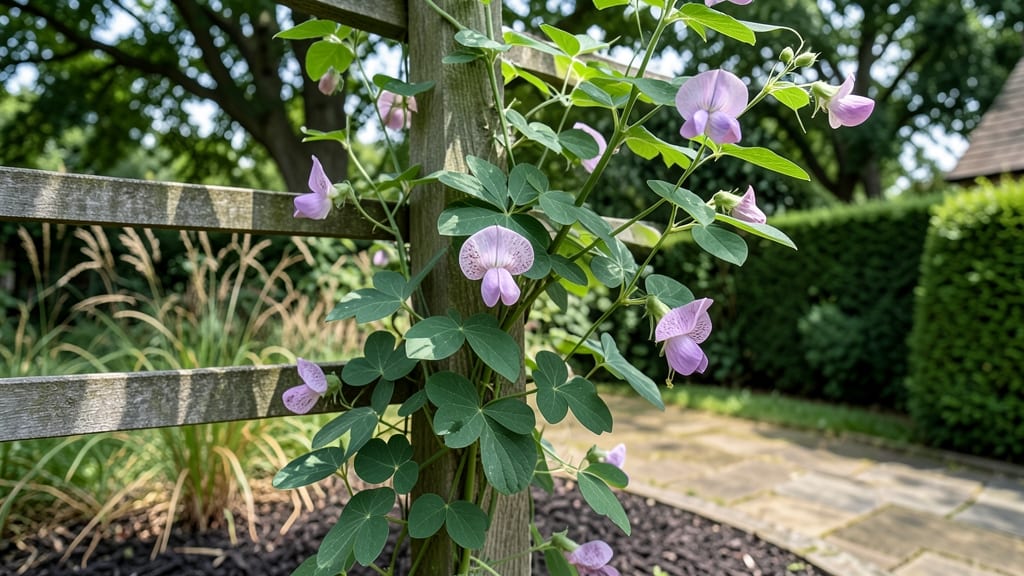
Sweet pea bush shrubs transform any garden with their year-round fragrance and compact beauty—no climbing trellis required. 🌸 I've pruned mine for five winters now, and the difference between a leggy mess and a lush, blooming shrub comes down to timing and technique.
Late winter is the perfect moment to shape these shrubs, when old growth is dormant but new shoots are just waking up. You'll trim back about one-third of the previous year's growth, focusing on crossing branches and leggy stems. The result?
A bush that stays dense, flowers continuously, and fills your garden with that classic sweet pea perfume all season long. What makes bush varieties special is their self-supporting habit—no fussy trellis needed.
After pruning, you'll see fresh green growth within 2-3 weeks, followed by blooms that start in early spring and keep coming until frost. The key is to prune after the last hard freeze but before new growth starts.
This method works for both new shrubs and established plants, and it's especially rewarding if you've struggled with sparse flowering before. Let's get those shears ready!
📚 In This Guide
- What you need
- Instructions
- Tips and common mistakes
- Wrapping up and next steps
What you need
- ● Pruning shears: Sharp, clean bypass pruners (for small stems) or loppers (for thicker branches). Pro tip: Disinfect blades with rubbing alcohol to prevent disease spread! 💡
- ● Gloves: Heavy-duty gardening gloves (to protect against thorns and sap).
- ● Rake or broom: For clearing away pruned debris.
- ○ Garden twine or ties: (Optional) To secure branches if needed after pruning.
- ○ Pruning saw: (Optional) For stubborn, thick stems that shears can’t handle.
- ● Timing: Prune on a dry, frost-free day in late winter (just as new growth begins).
- ● Weather check: Avoid pruning if rain or wind is forecasted for the next 24 hours.
- ○ Safety gear: Safety glasses (optional but helpful for debris-prone areas).
- ● Clean workspace: Lay down a tarp or old sheet to collect clippings easily.
- ● Hand sanitizer or soap: For post-pruning hand cleaning.
- ● Compost bin: To recycle pruned branches into nutrient-rich soil.
- ○ Plant food: (Optional) A balanced fertilizer to revive the shrub post-pruning.
Step-by-step guide to late-winter pruning of sweet pea bush shrubs
This is the perfect time to refresh your sweet pea shrubs for lush spring blooms and all-season fragrance.
✂️ Step 1: Gather Your Tools and Assess the Plant
Start by gathering clean, sharp pruning shears and a pair of gloves. I always disinfect my tools with rubbing alcohol first—this prevents spreading disease between cuts. Next, examine your sweet pea bush from all sides, looking for dead, crossing, or weak branches. You'll want to remove any branches that are thinner than a pencil or show brown, brittle wood.
Focus on the plant's natural shape. Sweet pea shrubs respond well to an open, vase-like form, so aim to create space between branches. This airflow keeps foliage healthy and prevents fungal issues. I like to sketch a quick mental outline of where I want each branch to go before making any cuts.
✂️ Step 2: Remove Dead and Problematic Branches First
Begin by cutting out any dead or diseased wood completely down to the base. Make clean cuts at a 45-degree angle, about ¼ inch above a healthy bud or lateral branch. This angle helps water run off rather than pool on the cut. If you see any branches rubbing against each other, remove one of them entirely—these create wounds where pests can enter.
Next, look for branches growing inward toward the center of the plant. These compete for sunlight and air circulation. Cut these back to their point of origin. I always step back occasionally to check the plant's balance—it's easy to over-prune one side while leaving the other untouched.
✂️ Step 3: Thin Out Overcrowded Areas
Now focus on thinning the remaining branches to improve airflow. Select branches that are growing too close together and remove every other one, starting with the smaller or weaker stems. Aim to leave about 3-4 inches of space between branches. This spacing encourages stronger new growth and more abundant blooms.
Pay special attention to the plant's center. Many gardeners make the mistake of leaving too many branches in the middle, which creates a dense, shaded interior. Cut back any branches growing toward the center until you can see light reaching the middle of the plant. You'll know you're doing well when you can see through the center to the other side.
☀️ Step 4: Shape the Outer Form and Stimulate New Growth
Now it's time to shape the plant's outer form. Step back and visualize an open, rounded shape. Cut back any branches that are growing too upright or leggy by about one-third of their length. Make your cuts just above a leaf bud that's facing outward—this encourages growth in the direction you want.
For branches that are too long but still healthy, you can also make a heading cut (cutting back to a leaf bud) to promote bushier growth. I like to leave some longer branches on the outer edges to create a natural, flowing silhouette. After shaping, your sweet pea bush should look balanced and ready for spring growth.
💧 Step 5: Clean Up and Prepare for New Growth
Once all your pruning is complete, gather up all the cuttings and dispose of them properly. Never leave pruned branches on the ground beneath the plant—this can harbor pests and diseases. I like to use the cuttings for mulch in my compost pile, but you can also burn them if you're concerned about plant diseases.
After pruning, give your sweet pea bush a good drink of water to help it recover. Apply a balanced, slow-release fertilizer around the base, following the package instructions. This gives your plant the nutrients it needs to produce strong new growth. Watch for fresh green shoots within 2-3 weeks—that's your sign that the pruning was successful!
Tips & tricks for perfect sweet pea bush shrub pruning
Late-winter pruning can transform your sweet pea shrubs into fragrant, blooming powerhouses—here’s how to get it right.
Tool Prep: Before you even touch the plant, take 5 minutes to sharpen your pruning shears and disinfect them with rubbing alcohol. Dull blades tear wood instead of making clean cuts, which slows healing and invites disease. I also like to wipe down the handles with a damp cloth—it’s surprising how much sap and dirt build up from previous uses. This small step prevents cross-contamination between cuts, especially important when dealing with potential fungal issues.
Visualize First: Step back and study your shrub’s natural shape before making any cuts. Sweet pea bushes thrive with an open, vase-like form, so imagine removing branches that would block light or air. I sketch a quick outline in my head (or even on paper) to visualize the ideal structure. This prevents over-pruning one side while neglecting the other—a common mistake that throws off the plant’s balance. Think of it like sculpting: you’re refining, not hacking.
Cutting Technique: When removing branches, always make clean cuts at a 45-degree angle about ¼ inch above a healthy bud or lateral branch. This angle helps water run off rather than pool on the cut, which could lead to rot. For branches thicker than a pencil, use a small saw for smoother cuts. I’ve learned the hard way that jagged cuts invite pests and diseases—take your time here. And remember, if two branches are rubbing together, remove one entirely to prevent wounds that attract pests.
Post-Pruning Care: After shaping, give your shrub a deep drink of water to help it recover. I like to add a handful of compost or slow-release fertilizer around the base to give it a nutrient boost for new growth. Then, monitor for fresh green shoots within 2-3 weeks—that’s your confirmation the pruning worked! If you don’t see new growth after 4 weeks, consider adjusting your fertilizer or checking for hidden pests.
Pro Tips for Sweet Pea Bush Shrub
- Late-winter pruning can transform your sweet pea shrubs into fragrant, blooming powerhouses—here’s how to get it right.
- Tool Prep: Before you even touch the plant, take 5 minutes to sharpen your pruning shears and disinfect them with rubbing alcohol.
- Visualize First: Step back and study your shrub’s natural shape before making any cuts.
Frequently asked questions
Got questions about keeping your sweet pea bush shrub thriving with late-winter pruning?
Here are answers to the most common ones—so you can enjoy that intoxicating fragrance all year long!
When is the exact best time to prune my sweet pea bush shrub?
Late winter—just as new growth begins but before buds swell—is ideal (typically February or early March in most climates). Avoid pruning in fall or early winter, as tender stems can’t handle cold. If you miss the window, wait until early spring, but you’ll sacrifice some fragrance timing.
How much can I cut back without harming the shrub?
You can trim up to ⅓ of the shrub’s height safely. Focus on removing dead, crossing, or weak branches first, then shape the rest. Avoid over-pruning—sweet pea bushes bounce back, but drastic cuts may delay blooming. Pro tip: Use sharp bypass pruners for clean cuts!
What if my sweet pea bush shrub looks frozen after winter?
Don’t panic! Many varieties (like Lathyrus odoratus) are hardy to USDA Zone 5. Wait until late March or April to prune—new growth signals the plant is alive. If branches are mushy when bent, they’re dead; cut them off. If woody but pliable, leave them—they’ll regrow!
Can I prune for fragrance and fullness at the same time?
Prune 1–2 inches above a leaf node to encourage bushier growth and more blooms. Remove spent flowers (deadheading) throughout spring/summer to redirect energy to fragrance. For a fragrant hedge, prune lightly in late summer too—just avoid heavy cuts after July.
What’s a good alternative if my sweet pea bush shrub struggles in my climate?
Try Deutzia (fragrant white blooms, Zone 5–8) or Pieris japonica (evergreen, Zone 6–9). Both thrive with similar pruning needs and offer year-round interest. For milder climates, Abelia delivers sweet-scented flowers and glossy foliage—plus, it’s drought-tolerant!
Still unsure? Snap a photo of your shrub’s condition and compare it to the pruning steps above—you’ve got this!
Wrapping up and next steps
Ready to transform your garden into a fragrant paradise? 🌸 Pruning your sweet pea bush shrub in late winter isn’t just about tidying up—it’s your secret to lush, blooming beauty and year-round fragrance.
With the right tools, timing, and techniques, you’ll encourage vibrant growth and a garden that delights the senses.
Now that you’re armed with knowledge, grab your pruners and get started! 🌱 Whether you’re a seasoned gardener or just beginning, every snip brings you closer to a garden that’s as rewarding as it is fragrant. Happy pruning!