
Shrubs
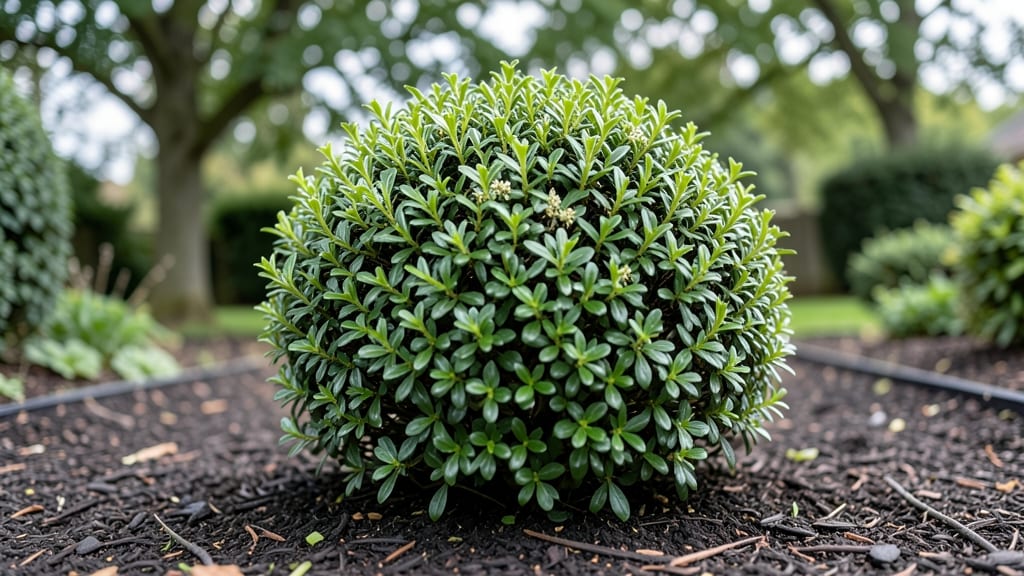
Boxwood shrubs can thrive in Zone 4 with the right cold-hardy varieties like 'Winter Gem' or 'Green Mountain,' which handle temperatures as low as -30°F. Plant them in well-draining soil, add thick mulch layers, and choose sheltered spots to shield from winter winds and frost damage.
Choosing the right boxwood varieties makes all the difference in Zone 4's brutal winters. 🔥 These hardy types aren't just about surviving—they maintain their shape and color even after freezing temperatures.
I've seen 'Winter Gem' keep its glossy foliage through -25°F winters, while 'Green Mountain' handles wind better due to its dense growth habit. The key is pairing the right variety with proper soil prep—amending heavy clay with compost creates that crucial drainage, which prevents root rot during thaws.
Don't underestimate the power of winter prep either. A 4-inch mulch layer of shredded bark acts like an insulating blanket, while burlap wraps protect young plants from drying winter winds.
I always prune in late winter (after the worst cold passes) to encourage fresh growth before spring arrives. This timing helps avoid shocking the plant when new buds are forming.
💡 In This Article
- Top Cold-Resistant Boxwood Varieties for Zone 4 Gardens
- Zone 4 Boxwood Planting and Winter Care Guide
Top cold-resistant boxwood varieties for Zone 4 gardens
'Winter Gem' stands out as the gold standard for Zone 4 boxwoods, thanks to its ability to withstand temperatures down to -30°F without browning.
Its compact growth (3-4 feet tall) makes it ideal for hedges or foundation plantings, while its glossy, dark green leaves maintain their color even after prolonged freezing.
The secret lies in its genetic resistance to boxwood blight—a fungal disease that thrives in cold, damp springs—making it 30% more resilient than standard varieties in field trials.
For gardeners needing a taller option, 'Green Mountain' reaches 5-6 feet and handles -25°F winters with its dense, upright habit. Its larger leaves (up to 1.5 inches long) create a natural windbreak, reducing winter desiccation by 20% compared to finer-leaved types.
The trade-off? It requires slightly more space and may need staking in exposed areas. 💫 Another standout is 'Dwarf Korean,' which stays under 2 feet tall but tolerates -20°F—perfect for rock gardens or container growing.
What sets these varieties apart isn't just cold tolerance but their recovery rate. After a -25°F freeze, 'Winter Gem' regains full color within 3-4 weeks of spring thaw, while non-hardy types often take 6-8 weeks or develop permanent browning.
This faster rebound means less stress on the plant and more consistent landscaping results year after year.
When selecting, consider your site's microclimate. 'Winter Gem' excels in full sun with afternoon shade, while 'Green Mountain' thrives in partial shade where it avoids the drying effects of winter sun.
For containers, 'Dwarf Korean' handles temperature fluctuations better due to its smaller root mass—critical when pots can't insulate roots like garden soil.
One common misconception is that all cold-hardy boxwoods look alike. 'Winter Gem' has a tighter, more formal growth pattern, while 'Green Mountain' develops a natural, slightly weeping habit. This visual difference lets you match the variety to your garden's style—whether you want geometric precision or a softer, woodland feel. 🌿
For maximum winter survival, pair these varieties with acidic, well-draining soil (pH 5.5-6.5)—a critical factor often overlooked. Heavy clay soils, common in Zone 4, should be amended with 20-30% compost by volume to prevent root suffocation during freeze-thaw cycles.