
Shrubs
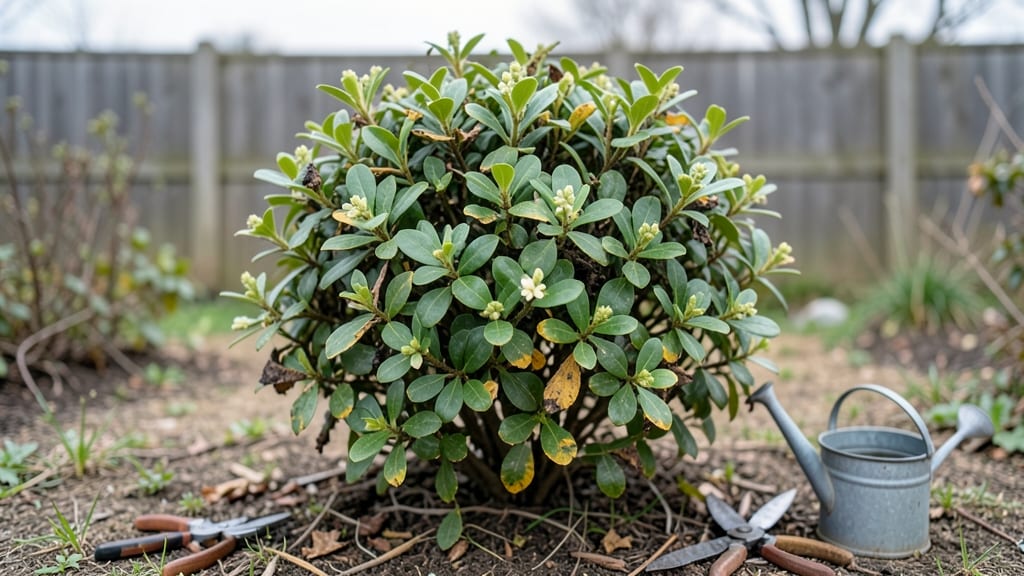
Boxwood shrubs turning brown can feel like a death sentence for your hedges—but it’s almost always fixable. ✨ I’ve nursed back more than a dozen browned-out boxwoods, and the culprits are almost never what you’d expect.
The first step is figuring out whether your plants are thirsty, sick, or just exhausted from last summer’s heat.
Most browned boxwoods start with one of three problems: overwatering (the #1 killer), fungal diseases like box blight, or environmental stress from poor airflow or extreme temperatures. I check for crispy edges (drought) or mushy stems (rot) first—those tell me exactly what to fix.
The good news? Once you identify the issue, the solutions are straightforward and often free.
You’ll prune out dead branches, adjust your watering schedule (less is usually more), and add mulch to protect roots. For fungal issues, a copper fungicide spray or baking soda mix works wonders.
Within weeks, you’ll see fresh green growth pushing through—proof your hedges aren’t gone, just waiting for the right care.
This works for both in-ground hedges and container-grown boxwoods. The key is acting fast before the problem spreads. Let’s get your shrubs back to their lush, glossy best—no guesswork, just results.
Root Causes Behind Brown Boxwoods
When your boxwood shrubs start turning brown, it’s often a cry for help from the plant itself. Understanding the underlying causes is the first step to restoring their lush, green appearance.
Below, we break down the most common reasons—from environmental stress to pest invasions—so you can diagnose and address the issue with precision.
Boxwoods are drought-tolerant but not drought-proof. Brown patches or crispy edges on leaves are classic signs of water-related stress. Here’s how it happens:
- Underwatering: Boxwoods thrive in consistently moist (not soggy) soil. When roots dry out, the plant can’t transport nutrients efficiently, leading to leaf browning. This is especially common in sandy or fast-draining soils.
- Overwatering: While less common, soggy soil cuts off oxygen to roots, causing root rot. Yellowing leaves that later turn brown are a red flag. Poor drainage or heavy clay soil worsens this issue.
- Temperature extremes: Frost damage (brown, papery leaves) or heat stress (wilting, brown edges) can occur when boxwoods are pushed beyond their hardiness zone (typically Zones 5–9). Young or newly planted shrubs are most vulnerable.
💡 Pro Tip: Stick your finger 2 inches into the soil—if it’s dry, water deeply. If it’s muddy, hold off until the topsoil dries slightly. Mulch helps regulate moisture and temperature.
Boxwoods prefer partial shade (3–6 hours of sun daily). Too much direct sunlight—especially in hot climates—can cause:
- Sun scald: Leaves exposed to intense afternoon sun may develop brown, crispy patches, particularly on the south or west sides of the shrub.
- Leaf bleaching: Prolonged sun exposure can lead to chlorosis (yellowing between leaf veins), which progresses to brown as the tissue dies.
Conversely, shade stress (too little light) weakens the plant, making it susceptible to pests or disease, which can also manifest as browning.
🎯 Fix It: Gradually acclimate boxwoods to more sun if moving them. For established shrubs, prune to reduce dense foliage and improve airflow. If sunburn is severe, provide afternoon shade with a temporary cloth or lattice.
Boxwoods are a buffet for pests, and their damage often starts with subtle browning. Here’s what to watch for:
| Pest | Signs of Damage | Why It Turns Brown |
|---|---|---|
| Boxwood Mite | Stippled, bronze-colored leaves; webbing on stems | Mites suck sap, causing leaf desiccation (drying out). Severe infestations lead to premature leaf drop and brown, papery foliage. |
| Boxwood Leafminer | Blotchy, brown trails inside leaves; frass (insect waste) | Larvae burrow into leaves, disrupting photosynthesis and leading to necrotic (dead) tissue that turns brown. |
| Scale Insects | Sticky residue (honeydew); black sooty mold on leaves | Scale insects drain nutrients, causing stunted growth and brown, curled leaves. Sooty mold blocks sunlight, accelerating browning. |
| Boxwood Caterpillar | Holes in leaves; frass; defoliation | Direct leaf consumption leads to brown, skeletonized leaves as the caterpillar eats away at healthy tissue. |
🔥 Treatment: For mites, spray with neem oil or insecticidal soap. Leafminers respond to Bacillus thuringiensis (Bt). Prune and destroy heavily infested branches to break the pest cycle.
Fungi thrive in damp, shaded conditions, turning boxwood leaves brown through pathogen attack. Key culprits include:
- Volutella Blight: Causes brown, sunken spots on leaves, often with a white fungal mat underneath. Common in wet springs or summers.
- Boxwood Blight (Cylindrocladium buxicola): Produces dark brown, greasy lesions with a yellow halo. Highly contagious and often fatal if untreated.
- Root Rot (Phytophthora): Leads to wilting, yellowing, then brown leaves as roots decay. Soil that stays waterlogged for days is a breeding ground.
🌡️ Prevention: Improve airflow with pruning, avoid overhead watering, and sterilize pruners between cuts. For blight, remove infected plants immediately and apply copper fungicide as a preventative.
Boxwoods need balanced nutrition to stay vibrant. Brown leaves can signal:
- Nitrogen deficiency: Leaves turn yellow between veins (chlorosis) before browning, especially on older growth. This often happens in alkaline soil (pH > 7.0).
- Potassium deficiency: Brown scorch marks on leaf edges (similar to drought stress) or weak stems that snap easily.
- Magnesium deficiency: Interveinal browning (between veins) on older leaves, often called "lime-induced chlorosis" in high-pH soils.
💡 Soil Test First: Test your soil’s pH and nutrient levels. Amend with sulfur to lower pH or apply a balanced fertilizer (10-10-10) in early spring. Organic matter like compost improves long-term health.
Brown boxwoods aren’t always sick—they might be injured. Common culprits:
- Winter burn: Desiccated leaf edges after cold, dry winter winds. Evergreen boxwoods lose moisture through transpiration even when dormant.
- Mechanical damage: Lawnmower or string trimmer cuts can sever branches, leading to brown, dying tips. Ragged edges are a dead giveaway.
- Salt damage: Brown, crispy leaves from road salt or over-fertilization (especially with synthetic salts). Irregular browning patterns are a clue.
🔪 Quick Fix: Prune damaged branches back to healthy growth. For salt damage, flush the soil with water and apply gypsum to improve
Revive Your Shrubs Step by Step
Now that you know the likely causes behind your boxwood shrubs turning brown, it’s time to take action! 🌿💪 Whether your shrubs are suffering from disease, pests, environmental stress, or poor care, these targeted solutions will help restore their lush green appearance—and keep them thriving long-term.
If your boxwoods are drowning in soggy soil, their roots suffocate, leading to browning leaves and potential fungal infections.
What to do: 🔹 Test your soil – Stick your finger 2-3 inches deep. If it feels damp after 24 hours, you’re overwatering. A simple moisture meter can help track soil conditions. 🔹 Improve drainage – Amend heavy clay soil with compost or organic matter (like peat moss or coconut coir) to help water drain faster. For container-grown boxwoods, ensure pots have drainage holes. 🔹 Adjust your watering routine – Water deeply but infrequently (1-2 times per week, depending on climate). Early morning is best to reduce fungal risks. 🔹 Raise garden beds – If your yard floods easily, consider elevating the planting area slightly to prevent waterlogging.
💡 Prevention tip: Mulch around the base (but not touching the trunk) with 2-3 inches of wood chips or shredded bark to regulate soil moisture and temperature.
Box blight (Volutella buxi) and other fungal infections thrive in wet, humid conditions, causing brown, crinkled leaves and dieback.
What to do: 🔹 Prune infected branches – Use sterilized pruners (wipe with rubbing alcohol between cuts) to remove and dispose of (not compost) severely damaged foliage. 🔹 Apply a fungicide – Choose a copper-based fungicide or one containing propiconazole (like Daconil or Ortho Fungus Control). Follow label instructions for best results. 🔹 Improve airflow – Thin out overgrown shrubs and space them 3-4 feet apart to reduce humidity around leaves. 🔹 Water at the base – Avoid overhead sprinkling, which spreads spores. Use drip irrigation or soaker hoses instead.
🌡️ Prevention tip: Avoid wetting foliage during late evenings or when humidity is high. Early morning watering gives leaves time to dry.
Tiny pests like boxwood mites, bagworms, or boxwood leafminers suck sap or munch on leaves, causing browning and stunted growth.
What to do: 🔹 Inspect leaves closely – Look for webbing, tiny eggs, or sawdust-like frass (insect droppings). A hand lens helps spot mites. 🔹 Spray with horticultural oil or insecticidal soap – For mites and soft-bodied pests, apply a neem oil or insecticidal soap spray (like Safer Brand Insect Killing Soap). Reapply every 7-10 days as needed. 🔹 Use systemic pesticides for severe infestations – For bagworms or caterpillars, try Bt (Bacillus thuringiensis) or a pyrethrin-based spray (like Ortho BugClear). 🔹 Introduce beneficial insects – Ladybugs, lacewings, or parasitic wasps (like Aphelinus mali) can control mites naturally.
✨ Prevention tip: Encourage native predators by planting dill, fennel, or yarrow nearby—they attract beneficial insects that hunt pests.
Boxwoods are drought-tolerant but still need consistent moisture, especially in hot, dry climates. Wilting and browning edges signal thirst.
What to do: 🔹 Deep water weekly – Give shrubs 1-1.5 inches of water per week, either from rainfall or irrigation. Morning watering reduces evaporation. 🔹 Mulch heavily – Spread 3-4 inches of mulch (like pine straw or shredded bark) to lock in moisture and cool roots. 🔹 Provide afternoon shade – If possible, install shade cloth (30-50%) or plant taller shrubs nearby to block harsh afternoon sun. 🔹 Avoid fertilizing during drought – Wait until soil is moist before applying balanced fertilizer (10-10-10) or slow-release granules.
🎯 Prevention tip: Group boxwoods with other thirsty plants in a micro-climate with better soil moisture retention (like near a rain barrel or drip system).
Even with the right care, boxwoods need regular maintenance to stay vibrant.
What to do: 🔹 Prune in late winter or early spring – Trim dead or brown branches back to healthy green growth. Avoid heavy pruning—boxwoods tolerate only 1/3 of their growth removed per year. 🔹 Fertilize in early spring – Use a slow-release, balanced fertilizer (like Miracle-Gro Shake ’n Feed) or organic options (fish emulsion, compost tea). 🔹 Check soil pH – Boxwoods prefer slightly acidic soil (pH 5.0-6.5). Test with a soil kit and amend with sulfur or peat moss if needed.
💡 Pro tip: Shape boxwoods lightly with hand pruners for a neat hedge—avoid power trimmers, which can tear foliage and invite disease.
Final Thought: 🌟 Most boxwood browning issues are preventable with consistent care. Start with one fix at a time, monitor progress, and your shrubs will bounce back to their glossy green glory in no time! For persistent problems, consult a local arborist or extension service for expert advice.
Frequently asked questions
Why are my boxwood shrubs turning brown only on the edges?
Brown edges usually mean underwatering or heat stress. Boxwoods need consistently moist soil—if the edges look crispy, water deeply once a week and mulch with 2-3 inches of organic matter to retain moisture. For container-grown shrubs, check drainage holes and water when the top inch of soil feels dry.
How do I tell if my boxwood's brown leaves are from disease or pests?
Check for these clues: Fungal disease (like box blight) shows dark brown, greasy spots with yellow halos, while pests like mites cause stippled bronze leaves or webbing. Leafminers leave blotchy brown trails inside leaves. Use a magnifying glass to spot tiny eggs or webs—this confirms pests.
Can I prune brown leaves off my boxwood to encourage new growth?
Yes! Prune dead or diseased branches back to healthy green growth in late winter or early spring. Avoid heavy pruning—never remove more than 1/3 of the shrub at once. Sterilize your pruners with rubbing alcohol between cuts to prevent spreading disease. Fresh cuts will sprout new growth within weeks.
Will my boxwood recover if it's already lost most of its leaves?
It depends! If the roots are still healthy, new growth will emerge from the base. Focus on correcting watering habits, improving soil drainage, and fertilizing with a balanced 10-10-10 mix in spring. For severe cases, consider root hormone treatment or consult a local arborist. Patience is key—some shrubs take 6-12 months to fully recover.
How often should I water boxwoods in summer?
Water 1-1.5 inches per week, either from rainfall or irrigation. Early morning watering prevents fungal growth. In extreme heat, add mulch and provide afternoon shade with shade cloth (30-50%) to reduce stress. Avoid wetting leaves—water at the base instead.