
Succulent
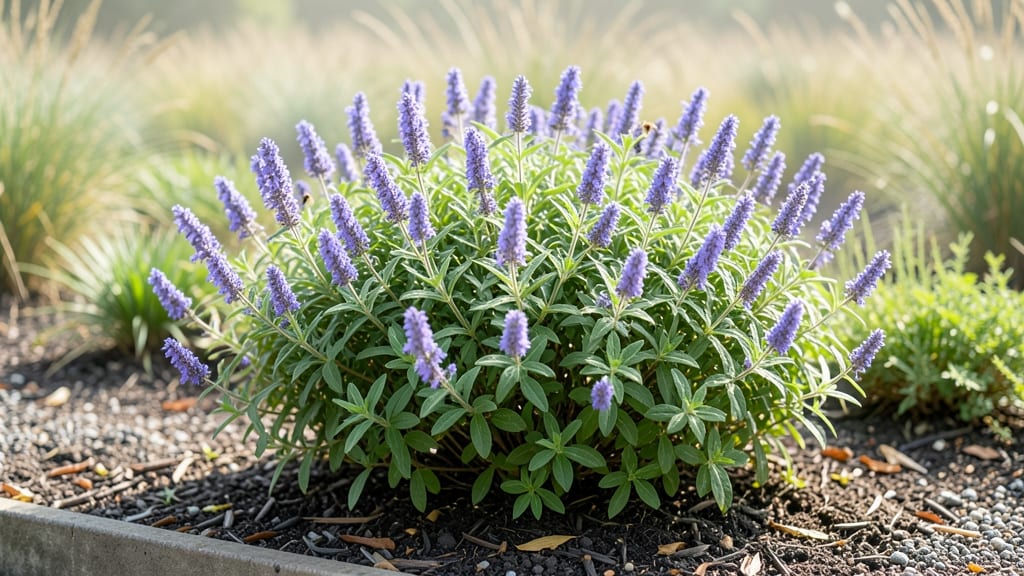
This fragrant blue spirea shrub transforms your garden into a pest-repelling sanctuary with its silvery-blue foliage and delicate blooms. 🌿 I planted mine last spring after struggling with aphid infestations—now it's the most low-maintenance, high-impact shrub in my yard, naturally deterring pests while adding year-round interest.
The secret lies in its adaptability: it thrives in partial shade where many shrubs fail, tolerates poor soil, and even handles drought once established. My 'Crispy Blue' variety grows to about 3 feet tall with a mounded shape, perfect for borders or foundation plantings.
The foliage stays vibrant even in winter, and those tiny white flowers in spring attract pollinators while keeping pests away. You'll love how effortless it is to maintain—just prune back one-third after flowering to encourage denser growth.
The scent alone makes it worth growing, but the pest control benefits are the real game-changer. Even my neighbor's cats avoid it, which is saying something. Works beautifully in containers too, making it ideal for small spaces or urban gardens.
Here's how to get the most from yours—no green thumb required!
📚 In This Guide
- What you need
- Instructions
- Tips and common mistakes
- Wrapping up and next steps
What you need
- ● Blue spirea shrub: 1-3 plants (depending on desired size; Caryopteris × clandonensis 'Blue Mist' is a popular variety).
- ● Well-draining potting mix: 2-3 cubic feet (or a 5-gallon bag for containers). Tip: Mix in perlite or sand for improved aeration.
- ● Garden soil (if planting outdoors): Amended with compost (1 part compost to 3 parts soil).
- ● Organic mulch: 2-3 inches (e.g., shredded bark or pine straw).
- ● Garden trowel or spade: For digging holes (6-8 inches wide/deep for small plants).
- ● Garden gloves: 1 pair (to protect hands from thorns or rough soil).
- ● Watering can or hose: With a gentle spray nozzle.
- ○ Pruning shears: For shaping (optional but helpful for maintenance).
- ○ Staking (optional): 2-3 bamboo stakes or plant supports if your shrub is top-heavy.
- ● Sunlight: A location with full sun to partial shade (6+ hours of sunlight daily).
- ● Climate: Hardy in USDA Zones 5-9 (check your local frost dates!).
- ● Water source: Ready access for the first 2-3 weeks (drought-tolerant once established).
Step-by-step guide to planting and cultivating blue spirea shrubs
Here’s how to establish a thriving, fragrant blue spirea hedge that naturally deters pests while adding vibrant color to your landscape.
🌱 Step 1: Choose the Perfect Planting Location
Blue spirea thrives in full sun to partial shade, with at least 6 hours of direct sunlight daily for optimal blooming. I always scout the site first—look for areas with well-draining soil and shelter from strong afternoon winds, which can stress young shrubs. Avoid low spots where water pools, as spirea roots rot easily in soggy conditions.
Test soil drainage by digging a 6-inch hole—if water doesn’t drain within 2-3 hours, amend the area with 2-3 inches of compost or sand to improve aeration. Blue spirea tolerates a range of soil types but performs best in slightly acidic to neutral pH (6.0-7.0). A simple soil test kit confirms your pH before planting.
🪴 Step 2: Prepare the Planting Site and Transplant
Dig holes twice as wide as the root ball and slightly shallower—blue spirea roots spread horizontally, so deep planting suffocates them. Space 4-5 feet apart for mature shrubs, allowing room for airflow and future pruning. Gently remove the plant from its container and loosen any circling roots with your fingers.
Place the shrub in the hole so the top of the root ball sits level with the surrounding soil—burying too deep can cause stem rot. Backfill with native soil mixed with 1-2 inches of compost to encourage root establishment. Water deeply to settle the soil and eliminate air pockets. You’ll know it’s right when the soil surface looks firm but not compacted.
☀️ Step 3: Water and Mulch for Healthy Establishment
Keep the soil consistently moist but not waterlogged for the first 4-6 weeks after planting. Water deeply 2-3 times per week, aiming for 1-1.5 gallons per shrub—enough to moisten 12 inches deep. Overhead watering can spread disease, so use a soaker hose or drip irrigation at the base instead.
Apply a 2-3 inch layer of mulch (wood chips or pine straw) around the base, keeping it 3 inches away from the trunk to prevent rot. Mulch conserves moisture, regulates soil temperature, and suppresses weeds—critical for young spirea struggling to establish roots. Replenish mulch annually as it breaks down, but never pile it against the stem.
✂️ Step 4: Prune for Shape and Pest Resistance
Prune blue spirea immediately after flowering (late spring to early summer) to maintain its natural shape and encourage dense growth. Remove dead, crossing, or weak branches first, cutting back to a healthy bud or lateral branch. For shaping, trim 1/3 of the current season’s growth to promote bushier foliage and more abundant blooms next year.
Here’s the thing—blue spirea’s fragrance deters pests naturally, but aphids or spider mites occasionally appear on stressed plants. If you spot them, spray with neem oil or insecticidal soap in the early evening when beneficial insects are less active. Avoid heavy pruning in fall, as it removes next year’s flower buds.
🌿 Step 5: Maintain Through Seasons for Long-Term Health
Fertilize lightly in early spring with a balanced, slow-release fertilizer (10-10-10)—blue spirea doesn’t need much, but a quarter-strength dose jumpstarts growth. Avoid high-nitrogen fertilizers, which promote leafy growth at the expense of flowers. Water deeply once a week during dry spells, adjusting for rainfall to keep soil evenly moist.
In late winter or early spring, prune out any dead wood and thin out crowded branches to improve air circulation. This prevents fungal diseases and keeps the shrub’s signature blue-green foliage vibrant. With proper care, blue spirea matures in 3-5 years, offering years of low-maintenance beauty and natural pest control.
Tips & tricks for perfect blue spirea shrub planting
These little-known strategies will help you establish a thriving blue spirea hedge that blooms beautifully and keeps pests at bay for years.
Sunlight Strategy: While blue spirea thrives in full sun to partial shade, I've found that morning sun with afternoon shade works best in hot climates. The intense afternoon sun can stress young plants, especially during summer. If you're planting in a particularly hot region, consider providing temporary shade with a lightweight fabric during the first growing season—this gives roots time to establish before full sun exposure. The 6 hours of direct sunlight mentioned in Step 1 should be spread throughout the day rather than concentrated in the hottest afternoon hours.
Soil Test Insight: Don't skip the soil test! I've seen many gardeners overlook this step, only to struggle with poor growth. Blue spirea's ideal pH range of 6.0-7.0 is actually quite broad, so even if your soil is slightly outside this range, it can still thrive. However, if your soil tests below 6.0, you'll want to amend it with lime to avoid potential nutrient deficiencies that can stress the plant. For the 2-3 hours drainage test, use a clear container to observe the water level—this gives you a visual cue rather than just timing.
Transplanting Technique: When removing blue spirea from its container in Step 2, I recommend gently squeezing the sides to loosen the root ball before pulling it out. This prevents root damage that can occur when you try to pry it out by force. Also, make sure to inspect the roots for any signs of circling—they should spread outward naturally. If you notice circling roots, carefully untangle them with your fingers before planting. This simple step can make a huge difference in how quickly your shrub establishes itself.
Mulching Mastery: The 2-3 inch layer of mulch mentioned in Step 3 is perfect for moisture retention, but there's an art to applying it properly. I've learned that using wood chips rather than straw creates a more stable barrier that lasts longer between replenishments. For the first application, create a slight depression around the base of the plant to help direct water toward the roots. This creates a natural basin that prevents water runoff during those critical first 4-6 weeks after planting.
Pro Tips for Blue Spirea Shrub
- These little-known strategies will help you establish a thriving blue spirea hedge that blooms beautifully and keeps pests at bay for years.
- Sunlight Strategy: While blue spirea thrives in full sun to partial shade, I've found that morning sun with afternoon shade works best in hot climates.
- Soil Test Insight: Don't skip the soil test!
Frequently asked questions
Got questions about the stunning blue spirea shrub? You’re not alone!
Here are answers to the most common queries to help you grow this fragrant, pest-repelling beauty with confidence.
How fast does a blue spirea shrub grow, and how big will it get?
A blue spirea shrub typically grows 12 to 18 inches tall and wide per year under ideal conditions. Mature size usually ranges from 3 to 5 feet tall and 4 to 6 feet wide, making it perfect for hedges or borders. Prune in late winter to control size and encourage bushier growth.
When is the best time to plant or transplant blue spirea?
The ideal planting window is early spring or early fall—when soil is workable but not frozen. Avoid transplanting in summer heat or winter frost, as stress can harm the shrub. Water thoroughly after planting and mulch to retain moisture.
Does blue spirea really repel pests naturally, and which bugs does it deter?
Yes! Blue spirea’s strong fragrance deters common garden pests like aphids, spider mites, and even deer. Its essential oils confuse insects’ scent trails, reducing infestations. Pair it with lavender or rosemary for extra pest protection.
How and when should I prune my blue spirea for the best blooms?
Prune right after flowering (late spring to early summer) to shape the shrub and encourage new growth. Avoid heavy pruning in fall or winter, as it removes next year’s flower buds. Use clean, sharp shears and remove no more than 1/3 of the plant per pruning session.
What are some low-maintenance alternatives to blue spirea?
If you want similar fragrance and pest-repelling benefits with minimal effort, try:
- Russian sage (Perovskia atriplicifolia): Drought-tolerant, attracts pollinators, and deters pests.
- Dwarf butterfly bush (Buddleja davidii): Compact, fragrant, and great for small gardens.
- Lavender (Lavandula):** Hardy, pest-resistant, and thrives in sunny spots.
Wrapping up and next steps
The blue spirea shrub is a fragrant, low-maintenance powerhouse that transforms any garden into a pest-repelling paradise with its stunning blooms and natural defenses. Whether you're a seasoned gardener or just starting out, this shrub offers beauty, resilience, and eco-friendly pest control—all while requiring minimal effort. 🌿
Ready to elevate your outdoor space? Start by selecting the perfect spot in your yard, gather your supplies, and plant your blue spirea with confidence. Watch as it thrives, attracts pollinators, and keeps unwanted pests at bay—nature’s way! 🌱 Roll up your sleeves and get growing today!