
Shrubs
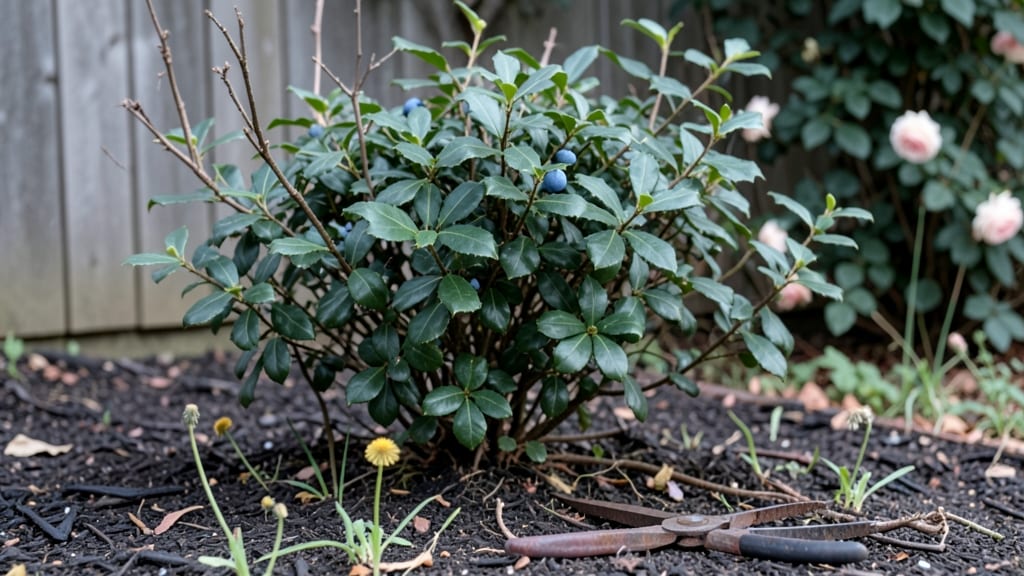
The best time to prune evergreen shrubs 🌿 is late winter, just as new growth begins but before buds swell—this 30-day window makes all the difference for plant health.
Pruning evergreen shrubs at the wrong time can stunt growth, invite pests, or even kill your plants—but timing it perfectly ensures lush, vibrant foliage all year. Discover the late-winter window that professional gardeners swear by for healthier, more resilient shrubs.
Most gardeners wait until spring, but that’s when evergreens are already pushing new shoots—cutting then stresses the plant and leaves it vulnerable. Late winter lets you shape your shrubs while they’re dormant yet ready to bounce back with stronger roots and fuller branches.
In this guide, I’ll walk you through the exact timing for your climate zone, how to tell when your shrubs are ready, and the tools you’ll need to prune like a pro—no guesswork, just healthier growth from day one.
Why late winter is the optimal time to prune evergreen shrubs
Evergreen shrubs like boxwoods, juniper, and holly thrive when pruned during their dormant season, which for most regions falls in late winter. This timing minimizes stress because plants aren’t actively growing, yet they’re ready to rebound with fresh energy as spring arrives.
The key is to prune after the worst winter cold but before bud break—typically February to early March in most USDA zones 5-9.
Late winter pruning offers three major advantages: reduced risk of pest infestations, clearer visibility of the shrub’s structure, and the ability to stimulate vigorous new growth without overburdening the plant.
Skipping this window can lead to stunted growth, disease susceptibility, or even plant death in extreme cases.
Here’s why late winter stands out as the golden window for evergreen pruning:
1. Post-dormancy readiness: Plants have survived winter stress and are energetically primed for recovery. Pruning now removes dead or weak branches while leaving healthy tissue to photosynthesize efficiently.
2. Pest and disease avoidance: Evergreens are least vulnerable to fungal spores and insect eggs during dormancy. Pruning in late winter cuts before pests wake up, reducing the risk of spread through fresh cuts.
3. Structural clarity: Without foliage, you can see the shrub’s skeleton, making it easier to identify dead wood, crossing branches, or overgrowth that needs correction.
4. Growth stimulation: Pruning just before spring triggers new shoot production from dormant buds, leading to denser foliage and faster recovery.
Climate zones shift this window slightly. In warmer zones (8-10), prune in January to February to avoid early bud break. In colder zones (3-4), wait until late March to ensure frost risk has passed.
Now, let’s break down the ideal timing, tools, and techniques for your specific evergreen types with this quick-reference table:
| Factor | Late Winter (Feb-Mar) Advantages | Risks to Avoid |
|---|---|---|
| Plant Condition | Dormant but energized for spring; minimal stress from pruning. | Pruning too early (frost damage) or too late (new growth risk). |
| Pest/Disease Risk | Lowest threat—pests inactive; no fresh sap to attract insects. | Dirty tools or wounds left open can invite fungal infections. |
| Visibility | No foliage = clear view of structure and dead branches. | Over-pruning due to poor visibility in dense shrubs. |
| Growth Response | Stimulates new shoots from dormant buds; faster recovery. | Late pruning (after bud break) can stunt growth. |
| Climate Zones | Zones 5-9: Feb-Mar; Zones 8-10: Jan-Feb. | Frost risk in early pruning; heat stress in late pruning. |
For example, boxwoods benefit from light shaping in late winter to encourage bushier growth, while juniper varieties often need shearing to maintain their desired shape. Holly shrubs, with their spiny leaves, are best pruned to open the center for airflow and reduce disease risk.
If you’re in a warmer climate, like USDA Zone 10, aim for January pruning to avoid early spring rains that can delay healing. In colder zones (3-4), wait until late March to ensure no frost is forecasted for the next 7-10 days.
Pro tip: Mark your calendar for the last expected frost date in your area. Prune 2-3 weeks before to give your evergreens time to knit over cuts before new growth demands energy.
One common mistake is pruning too aggressively in late winter, thinking the plant can handle more stress. Remember: <
Step-by-step late winter pruning guide for different evergreen types
Late winter is the perfect window to refresh your evergreen shrubs without stressing them. When done correctly, pruning now encourages dense growth and prevents pests or disease from taking hold. But not all evergreens respond the same way—boxwoods, juniper, and rhododendrons each need tailored care to thrive.
Let’s break down the tools, techniques, and timing for each type.
Before you start, identify dead or overgrown branches—they’re easy to spot in late winter when the plant’s structure is visible. Use sharp, sterilized tools to make clean cuts, and always prune at a 45-degree angle just above a bud or leaf node.
This ensures the plant heals properly and directs new growth where you want it. Let’s dive into the step-by-step process for your most common evergreens.
Step-by-Step Late Winter Pruning Guide
- 1 Choose the right tools: Use bypass pruners for small branches, loppers for thicker stems, and a sterilized saw for large limbs. Sharpen blades to avoid tearing.
- 2 Inspect for dead branches: Look for brown, dry, or brittle branches that snap easily. These should be cut back to healthy wood. Also remove any crossing or rubbing branches to improve airflow.
- 3 Prune boxwoods and yews: These broadleaf evergreens benefit from light shaping. Trim 1/3 of old growth to encourage new shoots. Avoid cutting into old wood—focus on outer branches for a fuller shape.
- 4 Thin out junipers and pines: For needle-bearing evergreens, remove overcrowded branches from the center to improve light penetration. Cut back to a healthy lateral branch or bud. Avoid shearing these types—it weakens them.
- 5 Revitalize rhododendrons: These flowering evergreens need minimal pruning but benefit from removing dead blooms and overgrown stems. Cut just above a leaf node to promote new flowers for next season.
- 6 Clean up and sterilize: Dispose of pruned debris immediately to prevent fungal spores from spreading. Wipe tools with rubbing alcohol or a 10% bleach solution to sterilize them for next use.
After pruning, give your evergreens a light watering to help them recover, especially if the weather is dry. Avoid fertilizing immediately—wait until new growth appears in early spring. This gives the plant energy to focus on healing rather than feeding.
With the right timing and technique, your shrubs will reward you with vibrant, healthy foliage all season long.
Pro tip: Take before-and-after photos to track your progress. Over time, you’ll notice how strategic pruning shapes your landscape and keeps your evergreens looking their best. Happy pruning!