
Shrubs
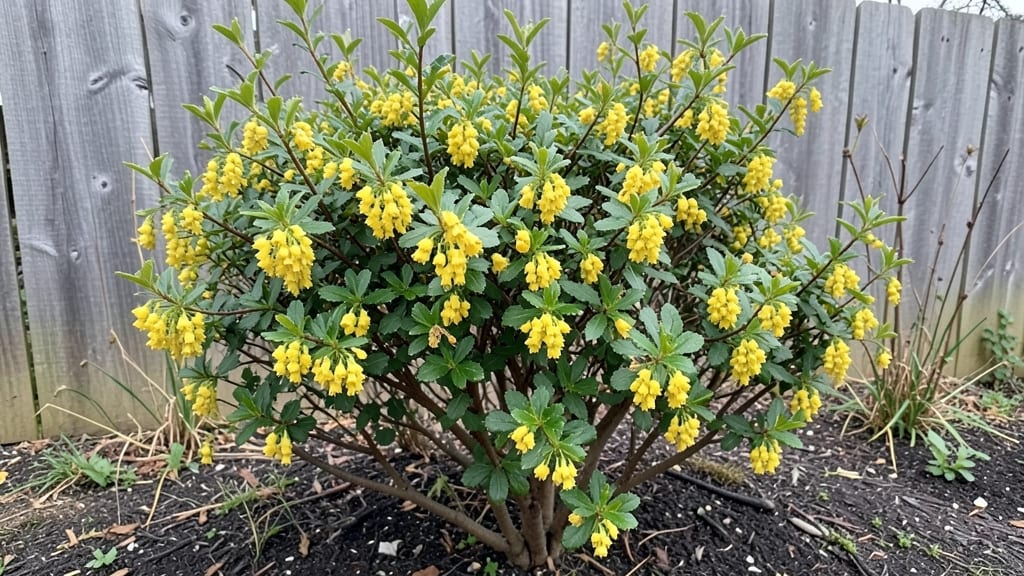
Your barberry shrub’s yellow leaves aren’t just a cosmetic issue—they’re a direct message from the plant about what’s gone wrong. 🌿 Whether it’s rust spores hiding on undersides, iron-starved roots struggling to feed new growth, or environmental stress like poor drainage, these symptoms demand attention before they spread.
I’ve diagnosed and fixed yellowing in my own barberries, and the solutions are more about observation than guesswork.
Start by checking the leaf undersides for orange pustules (rust) or white powder (mildew)—both thrive in damp conditions. If the soil feels compacted or stays soggy after watering, drainage is the culprit.
A simple soil test for pH and iron levels can reveal nutrient deficiencies, while yellowing between veins often points to iron chlorosis, common in alkaline soils. Pruning out infected branches early stops the spread, and a targeted fertilizer can restore balance.
With the right approach, your barberry will regain its deep green, glossy foliage within weeks. Focus on airflow, proper watering, and soil amendments, and you’ll prevent future outbreaks.
The payoff? A shrub that stays vibrant year-round, not one that fades into yellow patches. Let’s get to the root of the problem.
This method works for both common barberries and ornamental varieties, adapting to your climate and soil type. Whether you’re dealing with rust, nutrient issues, or environmental stress, the fixes are practical and proven. Your shrub’s health—and its ability to thrive—depends on acting now.
Understanding Yellow Barberry Shrub
When your barberry shrub takes on an unexpected yellow tint, it’s often a sign that something has shifted in its chemistry or environment. While a vibrant red is classic, a golden hue can actually be a flavorful twist—if intentional.
But if it’s unintended, it’s usually a clue that your shrub needs a little troubleshooting. Let’s break down the science behind why your barberry shrub might be turning yellow, so you can adjust your technique and keep that bright, tangy flavor intact.
Barberries are like tiny, tart grapes—when they’re just right, they pack the perfect balance of acidity and sweetness. But if they’re left on the vine too long, their natural sugars break down, and their pigments degrade.
This leads to a loss of red anthocyanins (the compounds responsible for that deep red color) and a shift toward yellowish tones.
Why it happens:
- Enzymatic browning: As berries overripe, enzymes like polyphenol oxidase (PPO) kick in, breaking down pigments into yellowish compounds. Think of it like an apple turning brown after you slice it—just faster in berries.
- Pigment degradation: Anthocyanins are sensitive to heat, light, and time. Overripe barberries lose these pigments, revealing the underlying yellow-green hues of the fruit’s flesh.
How to fix it:
- 🍎 Harvest at peak ripeness: Pick barberries when they’re fully colored but still firm. A gentle squeeze should yield, not squish.
- 🧊 Use immediately or freeze: If you can’t process them right away, freeze the berries to slow down enzymatic activity.
- 🔥 Avoid overcooking: When simmering your shrub, keep the heat low to medium to prevent pigment breakdown.
Barberry shrubs rely on a balance of acid (like vinegar) and sweetness (sugar or honey). But sometimes, that balance tips in ways that trigger unexpected color changes.
If your shrub turns yellow, it might be reacting with metals in your tools or undergoing a Maillard reaction (the same process that browns toast or sears steak).
Why it happens:
- Metal contamination: Copper, iron, or aluminum in pots, utensils, or even tap water can react with the shrub’s acids and sugars, causing discoloration. Copper, in particular, is notorious for turning red shrubs greenish-yellow.
- Over-sweetening: Too much sugar can caramelize during cooking, creating golden-brown hues. While this might sound appealing, it can also mute the bright red color and introduce a slightly bitter, off-flavor.
- pH shifts: If your vinegar isn’t strong enough or your berries are too alkaline, the shrub’s pH can rise, causing anthocyanins to degrade into yellow compounds.
How to fix it:
- 🥄 Use stainless steel or enamel cookware: Avoid copper or aluminum pots when simmering your shrub.
- 💧 Use filtered or distilled water: Tap water can introduce minerals that alter color.
- 🍯 Balance sugar and acid: Aim for a ratio of 1:1 sugar to vinegar (e.g., 1 cup sugar to 1 cup vinegar per 2 cups berries). Adjust to taste, but don’t oversweeten.
- 🧪 Test pH: If your shrub tastes bland or turns yellow, it might need more acid. Add a splash of lemon juice or adjust your vinegar type (e.g., switch to apple cider vinegar for a milder tang).
Light and heat are the silent saboteurs of vibrant shrub colors. Anthocyanins, those beautiful red pigments, are photodegradable—meaning they break down when exposed to sunlight or high heat. If your shrub sits in a sunny window or simmers too long, those red hues will fade into a pale yellow.
Why it happens:
- UV damage: Sunlight triggers a process called photooxidation, where light energy breaks down anthocyanins into colorless or yellow compounds. This is why red wine in a clear glass turns brown over time.
- Thermal degradation: High heat speeds up enzymatic activity and denatures pigments. Simmering a shrub too vigorously can turn it from ruby red to butterscotch yellow.
How to fix it:
- 🌑 Store shrub in dark bottles: Use amber or cobalt glass bottles to block light and preserve color.
- 🍲 Simmer gently: Keep the heat at a low boil or use a double boiler to prevent pigment loss.
- ❄️ Chill after cooking: Let your shrub cool quickly in an ice bath to halt enzymatic activity.
A yellow barberry shrub can also signal that fermentation has taken an unexpected turn—either from mold or over-fermentation. While a slight fermentation adds depth to shrubs, too much can turn them cloudy, yellow, or even slimy. This usually happens if the shrub isn’t properly sanitized or stored.
Why it happens:
- Bacterial or yeast overgrowth: Wild yeast or bacteria can ferment the sugars in your shrub, producing alcohol and carbon dioxide. If uncontrolled, this can lead to a yellowish, cloudy liquid with off-flavors.
- Mold contamination: If your berries or equipment weren’t clean, mold spores can take hold, especially in warm, humid conditions. Some molds produce yellow pigments as a byproduct.
How to fix it:
- 🧼 Sanitize everything: Wash berries thoroughly, sterilize jars and tools with boiling water or a vinegar solution, and work in a clean space.
- 🧊 Refrigerate after cooking: Store your shrub in the fridge to slow fermentation. If it’s already fermented too much, you can pasteurize it by heating to 160°F (71°C) for 10 minutes to kill unwanted microbes.
- 👃 Trust your nose: If your shrub smells sour, vinegary, or “off,” it’s best to discard it. A yellow shrub with a pleasant aroma is likely just a variation—one that might even add a unique twist to your cocktails!
Revitalizing Your Shrub’s Vibrancy
If your barberry shrub has lost its golden glow and turned dull or unappealingly yellow, don’t toss it—revive it! Yellowing can happen due to oxidation, over-steeping, or improper storage, but with a few simple fixes, you’ll restore that bright, citrusy punch perfect for cocktails.
Below, we’ve mapped out the most common causes and their solutions, plus tips to keep your shrub fresh and zesty for longer.
When exposed to air, the natural acids and oils in barberries can oxidize, turning your shrub cloudy or yellowish. This is especially common if you’re using fresh barberries or storing the shrub improperly.
🍳 How to Fix It
- 👨🍳 Strain and Re-Steep: Strain the shrub through a fine-mesh sieve or cheesecloth to remove any sediment or oxidized oils. Then, return the liquid to the jar and let it steep again for 12–24 hours to re-infuse flavor.
- 🥘 Add a Fresh Boost: Mix in a splash of fresh lemon juice (about 1–2 teaspoons per 4 oz of shrub). The acidity helps neutralize oxidation and brightens the color.
- ⏰ Store Properly: Transfer the shrub to an airtight glass container and press a parchment paper directly onto the surface before sealing. This minimizes air exposure.
💡 Prevention Tips
- Use a food-grade vacuum sealer or submerge the jar in water to create an airtight seal.
- Store in a cool, dark place (like a pantry) rather than the fridge to slow oxidation.
- If using fresh barberries, blanch them briefly (30 seconds in boiling water) before steeping to reduce enzyme activity that speeds up yellowing.
If your shrub tastes bitter or has a murky yellow hue, it might have steeped too long or begun fermenting. Barberries release tannins over time, which can turn the liquid cloudy and unpleasantly yellow.
🔪 How to Fix It
- 🍋 Dilute and Reset: Reduce the shrub’s intensity by mixing it 50/50 with freshly squeezed citrus juice (like lemon or orange) or a simple syrup. This cuts the bitterness and restores balance.
- 🧪 Test for Fermentation: If it smells funky or fizzy, it’s fermented. Strain it through a coffee filter to remove cloudiness, then re-sweeten with simple syrup if needed.
- 🍎 Start Fresh: If the shrub is beyond saving, compost the over-steeped mixture and make a new batch with a shorter steep time (try 4–6 hours instead of overnight).
✨ Prevention Tips
- Steep for 6–12 hours max for a balanced flavor without bitterness.
- Use pasteurized honey or sugar in your shrub recipe to inhibit fermentation.
- If you love fermented shrubs, bottle them in sterilized glass and monitor closely for signs of spoilage.
Heat, light, and improper containers can accelerate yellowing. If your shrub was left in a plastic container or exposed to sunlight, it may have degraded.
📊 How to Fix It
- 🔄 Transfer to a Dark Glass Jar: Move the shrub to an amber or cobalt glass bottle to block light, which causes color fading.
- 🧊 Chill It Out: Place the jar in the fridge to slow down any chemical reactions causing yellowing.
- 🍹 Use It Up Quickly: If the shrub is still drinkable but lacks vibrancy, use it in cocktails where the color isn’t the focus (like a gin sour or whiskey highball).
💡 Prevention Tips
- Avoid plastic containers—they can leach chemicals and accelerate discoloration.
- Label with dates and use within 3–6 months for peak freshness.
- Freeze in ice cube trays for long-term storage if you won’t use it all at once.
With these fixes, your barberry shrub should regain its bright, golden hue and zesty kick. Remember, a little maintenance goes a long way in preserving flavor and color—so treat your shrub like the cocktail superstar it is! 🍹✨
Frequently asked questions
Why does my barberry shrub turn yellow when simmering?
Heat breaks down anthocyanins (red pigments) into yellow compounds through thermal degradation. To prevent this, simmer on low heat or use a double boiler. Chill the shrub quickly in an ice bath after cooking to halt pigment loss.
Can I still use yellow barberry shrub in cocktails?
Yellow shrub works beautifully in drinks where color isn’t critical, like gin sours or whiskey highballs. The flavor remains tangy—just dilute with citrus juice if it’s too intense. For vibrant drinks, add a splash of activated charcoal to restore clarity.
How do I fix cloudy or fermented yellow shrub?
Strain through a coffee filter to remove cloudiness, then re-sweeten with simple syrup if needed. If fermented (funky smell), pasteurize by heating to 160°F (71°C) for 10 minutes to kill microbes. For future batches, steep for 6–12 hours max and store in sterilized glass.
Does metal cookware cause yellowing in barberry shrub?
Yes! Copper or aluminum pots react with the shrub’s acids, turning it yellowish. Use stainless steel or enamel cookware instead. Even tap water can introduce minerals—opt for filtered or distilled water for consistent color.
How long does barberry shrub last before turning yellow?
Properly stored in amber glass bottles, shrub stays vibrant for 3–6 months. Oxidation speeds up in plastic or clear containers—always use airtight, dark glass. For longer shelf life, freeze in ice cube trays.