
Pests and Diseases
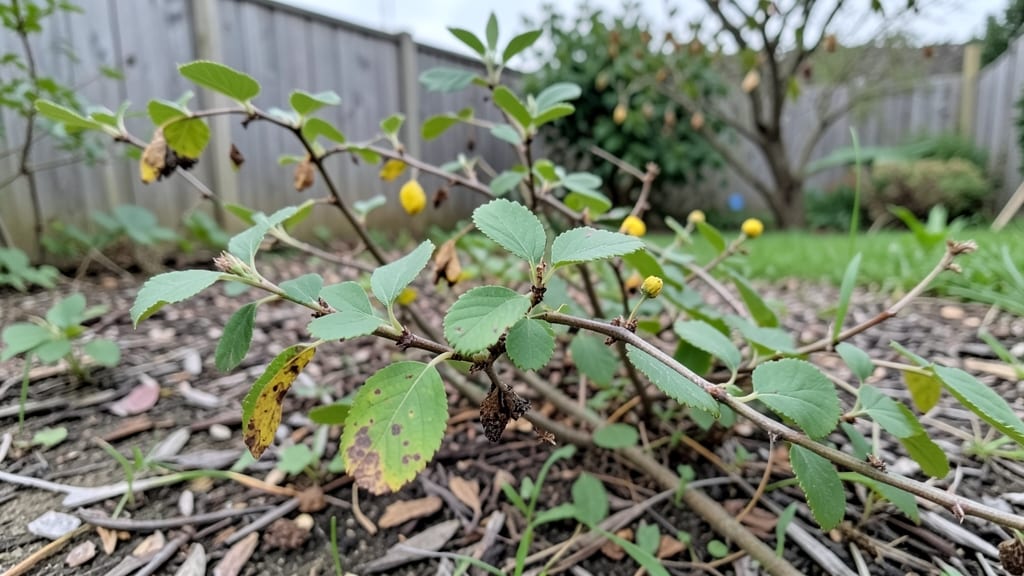
The disease in your barberry shrub—rust, powdery mildew, or leaf spot—can turn those glossy leaves into a sad, spotted mess in just weeks. I’ve watched my own barberries fight back from these diseases, and the key is catching them early before they spread.
The right mix of pruning, sprays, and prevention keeps your shrubs thriving instead of turning them into a fungal buffet.
Most infections start when humidity lingers, leaves stay wet too long, or old debris piles up at the base. My first mistake? Ignoring the early yellow spots until they covered half the plant. Now I inspect leaves weekly, especially after rain, and remove infected branches immediately.
Organic options like neem oil or baking soda spray work well for mild cases, but severe rust might need a targeted fungicide—though I’ve had great luck with copper-based treatments too.
You’ll see the difference within weeks: fresh green leaves instead of brown patches, and shrubs that keep their structure all season. The secret is consistency—prune in late winter, space plants for airflow, and water at the base, not overhead.
Once you spot the first signs, act fast, and your barberries will bounce back stronger than ever.
This works for both Japanese barberries and the native varieties, though some heirloom types are more resistant. Whether you’re dealing with a single plant or a whole hedge, the same principles apply—early action beats waiting until it’s too late. Let’s get those shrubs back to their best.
Root Causes Of Shrub Fungal Issues
Fungal infections in barberry shrubs rarely strike without reason—these pathogens thrive when specific conditions align. Understanding the why behind these outbreaks is key to preventing them in your garden.
Below, we break down the primary triggers, from environmental factors to human habits, so you can address the root cause before it spreads.
Fungi love moisture—it’s their lifeblood. Barberry shrubs are especially vulnerable when:
- Soil stays soggy: Poor drainage or heavy clay soil traps excess water at the roots, creating a damp, oxygen-poor zone where fungal spores like Phyllosticta or Venturia (common causes of leaf spot and scab) germinate. Pro tip: Test your soil’s drainage by digging a hole, filling it with water, and timing how long it takes to drain—ideal is <6 hours.
- Foliage remains damp: Morning dew or overhead watering (especially in the evening) keeps leaves wet for prolonged periods. Fungal spores need just <12–24 hours of moisture to infect. 💡 Use a rain gauge: If your area gets >1 inch of rain weekly, adjust watering schedules to mid-morning only.
- Fungal spores hitchhike: Wind or splashing water from irrigation can spread spores from infected plants or nearby mulch. ✨ Action step: Space barberries at least 3–5 feet apart and avoid mulching too close to the stem (keep mulch 2–3 inches away).
Stagnant air = fungal paradise. Dense foliage or overcrowded shrubs trap humidity and block airflow, slowing evaporation. This is a red flag for:
- Powdery mildew (Erysiphe spp.): Thrives in shaded, low-airflow areas, creating white, powdery patches on leaves. 🔥 Prune strategically: Thin out branches to improve airflow, aiming for a 20–30% reduction in density.
- Anthracnose (Gloeosporium spp.): Causes dark, sunken lesions on leaves and stems, worsening in tight clusters. ⏰ Timing matters: Prune in early spring (before spores spread) and remove infected debris immediately.
Quick fix: Install a small fan on a timer near affected shrubs (run for 10–15 mins/day) to mimic natural airflow.
Stressed shrubs have weaker defenses, making them easy targets. Watch for these stress signals:
| Stress Type | Fungal Risk | Solution |
|---|---|---|
| Drought stress | Weakened roots invite root rot (e.g., Phytophthora) | Water deeply <1–2 inches/week (check soil 2" down—it should feel damp, not soggy) |
| Nutrient deficiency (e.g., nitrogen or iron) | Yellowing leaves attract rust fungi (Puccinia spp.) | Test soil pH (barberries prefer 6.0–7.5) and amend with compost or chelated iron |
| Physical damage (e.g., from pruning cuts or hail) | Open wounds let canker diseases (Leucostoma) enter | Sterilize pruners with 70% isopropyl alcohol and seal cuts with pruning sealant |
Fungi don’t appear out of thin air—they’re often brought in by:
- Infected plants: Buying barberries with pre-existing fungal spores (e.g., Diplocarpon, which causes black spot). 🎯 Inspect new plants: Look for discolored leaves or powdery residues before purchasing.
- Contaminated tools: Pruners, gloves, or even boots can transfer spores from one plant to another. 🔪 Sterilize tools: Soak in a 1:10 bleach-water solution for 10 minutes between uses.
- Wildlife or wind: Birds, insects, or wind can carry spores from nearby infected plants (e.g., roses or hawthorns, which share fungal pathogens with barberries). 🌡️ Monitor neighbors: If nearby shrubs show symptoms, treat them proactively.
Key takeaway: Fungal diseases in barberries are rarely random—they’re a symptom of underlying conditions. By addressing moisture, airflow, stress, and pathogen sources, you can disrupt the cycle before it starts. Next, we’ll cover how to treat active infections.
How to solve it
Fungal infections in barberry shrubs can feel like a losing battle, but with the right approach, you can restore your plants to health—and keep them thriving. Below, we map common causes to actionable fixes, from immediate treatments to long-term prevention.
Think of this as your step-by-step guide to kicking fungal diseases to the curb.
Before diving into treatments, confirm the problem with these visual cues:
- Powdery mildew: White, powdery patches on leaves (like dusting flour).
- Rust: Orange-brown spots on undersides of leaves (often with pustules).
- Leaf spot: Dark, irregular marks with yellow halos.
- Root rot: Wilting, yellowing leaves + mushy stems (check soil for foul odor).
Pro tip: 🔍 Use a magnifying glass or rub a leaf between your fingers—if it leaves a gritty residue, it’s likely powdery mildew.
1. Powdery Mildew: The Floury Foe
Cause: Erysiphe or Sphaerotheca fungi thrive in humid, shaded conditions. Fix It: - 🍳 Spray with Baking Soda Solution Mix 1 tsp baking soda + 1 tbsp vegetable oil + 1 gallon water in a spray bottle.
Add a drop of dish soap as a surfactant. Spray both sides of leaves every 5–7 days until symptoms fade (usually 2–3 weeks). Why it works: Baking soda raises leaf pH, making it inhospitable for fungi.
- 🌿 Prune for Airflow Remove 30–50% of crowded branches to improve circulation. Thin out leaves touching the ground.
- 🌞 Boost Sunlight If possible, move the shrub to a sunnier spot (6+ hours of direct light daily). Use a reflective mulch (like white gravel) to bounce light onto shaded areas.
2. Rust Fungus: The Orange Menace
Cause: Puccinia species spread via spores, especially in wet springs. Fix It: - 👨🍳 Fungicide Application Use a copper-based fungicide (e.g., copper sulfate) or neem oil spray (1 tbsp neem oil + 1 quart water + 1 tsp soap).
Apply every 10–14 days until new growth appears. Warning: Avoid copper sprays if your soil is already acidic (test with a pH kit).
- 🔪 Remove Infected Leaves Snip off rust-covered leaves and dispose of them in the trash (not compost). Sterilize pruners with rubbing alcohol between cuts.
- 🌡️ Adjust Watering Water early in the morning to allow leaves to dry quickly. Avoid overhead irrigation.
3. Leaf Spot: The Silent Killer
Cause: Alternaria or Septoria fungi exploit wet foliage. Fix It:
- ⏰ Clean-Up Crew Rake up and remove fallen leaves (fungi overwinter here!). Disinfect tools with 1 part bleach to 10 parts water.
- 💡 Preventative Sprays Apply a fixed copper fungicide (like Cheseborough’s Copper Fungicide) before symptoms appear in spring. Repeat every 3–4 weeks during rainy seasons.
- 🎯 Soil Sterilization If root rot is suspected, amend soil with compost to improve drainage. For severe cases, replace the top 6 inches of soil with a mix of peat moss and perlite.
4. Root Rot: The Silent Saboteur
Cause: Phytophthora or Pythium fungi thrive in soggy soil. Fix It: - 🥘 Emergency Drainage Fix Dig a moat around the shrub (6 inches deep) and fill it with gravel or sand to redirect water.
Elevate the root zone with mound soil if planting in a low spot.
- 💪 Fungal Antagonist Mix 1 tbsp hydrogen peroxide (3%) into 1 gallon water and water the base of the shrub. Repeat weekly until new growth appears.
- 🌱 Transplant if Necessary If the shrub is beyond saving, dig up and replant in a well-draining area with amended soil. Choose a disease-resistant barberry variety (e.g., ‘Superba’ or ‘Coral Beauty’).
Once you’ve treated the issue, lock in your wins with these habits:
- ✨ Mulch Smartly: Use 2–3 inches of pine straw or gravel (not thick organic mulch) to prevent soil-borne spores from splashing onto leaves.
- 🌿 Space Plants Properly: Aim for 3–5 feet between barberry shrubs to reduce humidity pockets.
- 🌱 Rotate Cultivars: Avoid planting the same barberry species in the same spot yearly—fungi build up in the soil.
- 🔄 Clean Tools: Wipe pruners with 70% isopropyl alcohol after each use.
- 🌧️ Weather Watch: If your area has high humidity or frequent rain, schedule preventative fungicide sprays in early spring.
Final Note: Patience is key—some treatments take 4–6 weeks to show results. Monitor your shrub closely, and don’t hesitate to consult a local nursery for soil tests or advanced fungicides if needed. With these fixes, your barberry will bounce back stronger than ever! 🌿💪
Frequently asked questions
What are the first signs my barberry shrub has a fungal disease?
Look for white powdery coatings (powdery mildew), orange-brown pustules on leaf undersides (rust), or dark spots with yellow halos (leaf spot). Early detection is key—check leaves weekly after rain. Use a magnifying glass to spot tiny spores before they spread.
Can I use household items to treat fungal infections on barberries?
Mix 1 tsp baking soda + 1 tbsp vegetable oil + 1 gallon water for powdery mildew, or apply neem oil spray (1 tbsp neem + 1 quart water + 1 tsp soap) for rust. These organic options work well for mild cases but may require 2-3 weeks of consistent application.
How do I know if my barberry has root rot instead of another disease?
Root rot shows as wilting leaves, mushy stems, and a foul odor when checking the soil. Unlike leaf diseases, root rot affects the entire plant. Test drainage by digging a hole—if water pools after 6+ hours, you likely have poor drainage triggering root rot. Fix it by improving soil drainage immediately.
Is it safe to prune infected branches myself, or should I call a professional?
You can safely prune infected branches yourself! Use sterilized tools (soak pruners in 70% isopropyl alcohol between cuts) and dispose of infected leaves in the trash—not compost. Remove 30-50% of crowded branches to improve airflow, which helps prevent further spread.
Will fungicides harm beneficial insects or pollinators?
Most copper-based fungicides are safe for pollinators when applied early morning (before bees are active) and avoid spraying flowers. Organic options like neem oil are even safer. Always follow label instructions and reapply every 10-14 days during treatment.