
Shrubs
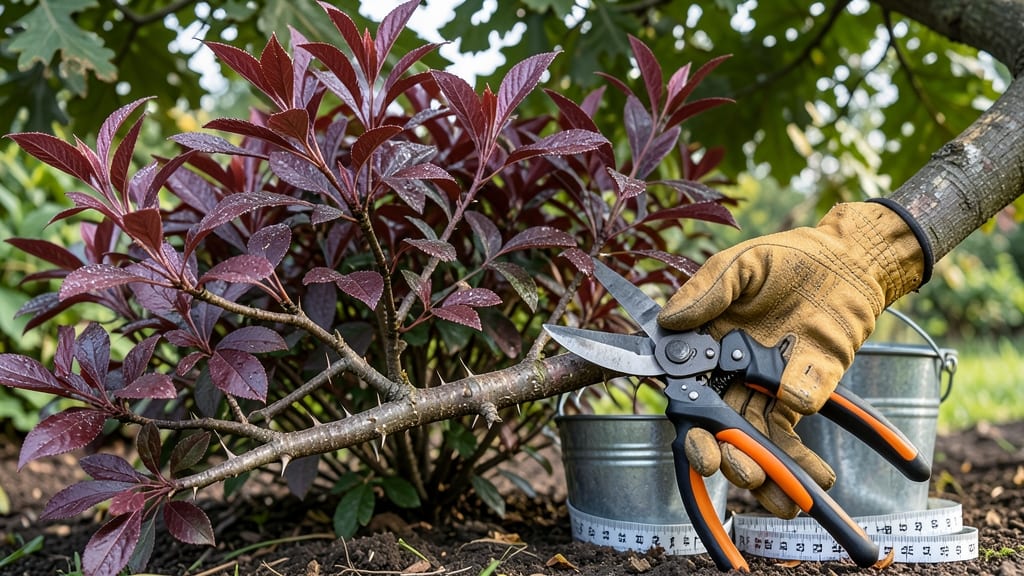
Trimming barberry shrubs in late winter sets the stage for a season of stronger growth and vibrant foliage 🌿 — but timing it wrong can leave your plants looking ragged.
Most gardeners wait until after the last frost, when the shrub is still dormant but ready to burst into new life.
That’s the sweet spot for trimming, but if you cut too early, you risk exposing tender stems to cold snaps, and if you wait too long, you’ll stunt the spring growth.
In USDA Zone 6a, like many temperate regions, the ideal window is between March and early April, just as buds begin to swell. This timing helps maintain the shrub’s natural shape while encouraging lush, healthy branches.
Below, I’ll walk you through exactly how to time your trim, what tools to use, and how to avoid common mistakes that leave barberries looking weak or overgrown.
Best late winter timing for trimming barberry shrubs
Timing your barberry shrub pruning in late winter is the key to unlocking a season of vigorous growth. This is when the plant is dormant but just beginning to prepare for new shoots.
Pruning too early can leave your shrub vulnerable to winter damage, while waiting too long risks stunting its spring recovery.
Late winter falls between February and early April, depending on your USDA hardiness zone. In colder regions (Zones 3-5), aim for late March to early April when frost threats have passed. Southern growers (Zones 6-9) can trim as early as mid-February since milder winters allow earlier growth signals.
Here’s why late winter is ideal: the plant has no active foliage, making it easier to see the shrub’s structure. Pruning now removes dead or weak branches while encouraging new growth from the base.
Plus, you avoid cutting off flower buds, which form on old wood in barberries.
| Region | Best Trim Window | Key Cues | Avoid |
|---|---|---|---|
| Northern (Zones 3-5) | Late March–Early April | After last frost, when buds swell | Pruning before buds break |
| Southern (Zones 6-9) | Mid-February–March | When new growth starts | Trimming after spring blooms |
| All Regions | Before buds open | Clear, dry days (60°F+) | Cutting into old wood |
If you miss the late-winter window, your next best option is early spring, but only if you haven’t seen new growth yet. Trimming after spring blooms (typically April–May) risks removing next year’s flowers, since barberries produce blooms on old wood.
This can leave your shrub looking sparse and reduce berry production.
For young barberry shrubs (under 3 years old), focus on light shaping rather than heavy pruning. Remove only dead branches or those growing inward to avoid stressing the root system. Mature shrubs (3+ years) can handle more aggressive trimming, like thinning out 1/3 of old growth to improve airflow.
Watch for bud swell as your signal to prune—this means the plant is waking up but hasn’t yet sent energy to new shoots. If you see green tips emerging, you’ve waited too long. Late trimming forces the shrub to redirect energy to healing cuts instead of growing leaves or berries.
Climate plays a huge role: in cooler microclimates, like valleys or near large bodies of water, delay trimming until mid-April to avoid frost damage. Conversely, urban heat islands may prompt earlier growth, so start pruning by late February in these areas.
Pro tip: Mark your calendar for 6–8 weeks before your last frost date. This gives you a flexible window to trim while ensuring the shrub has time to recover before spring’s growth surge.
For example, if your last frost is April 15, aim to prune by mid-March.
After trimming, sanitize your tools with rubbing alcohol to prevent spreading bacterial canker, a common disease in barberries. Then, apply a 2-inch layer of mulch around the base to retain moisture and protect roots as the shrub recovers.
Remember: the goal is to shape, not shear. Barberries thrive with open centers and layered branches. Avoid turning your shrub into a hedge—this encourages weak, leggy growth. Instead, focus on removing crossing branches and thinning out dense areas to let sunlight reach the center.
Step-by-step guide to pruning barberry shrubs for healthier growth
Pruning your barberry shrubs correctly encourages stronger growth and prevents disease. Start by gathering the right tools—sharp pruning shears for small branches and a pruning saw for thicker stems. Always sterilize your tools with rubbing alcohol to avoid spreading pathogens between cuts.
Begin by removing dead or diseased wood first—these branches won’t recover and can harbor pests. Look for brown, brittle stems or those with blackened spots. Cut these back to the healthy green wood just outside the branch collar, the swollen area where the branch meets the trunk.
Next, tackle crossing branches that rub together, creating wounds. Remove one of the two branches entirely, cutting at a 45-degree angle just above an outward-facing bud. This ensures new growth will face outward, improving airflow and light penetration.
- Step 1: Remove dead/diseased wood first—cut to healthy green wood.
- Step 2: Thin out crowded branches to improve airflow, targeting 1/3 of the shrub’s oldest growth.
- Step 3: Head back leggy stems by cutting 1/3 of the length to encourage bushier growth.
- Step 4: Shape the shrub last, avoiding over-pruning (never remove more than 1/3 of the plant).
- Step 5: Clean up debris and sterilize tools to prevent fungal spread.
For thinning out overcrowded areas, focus on the inner branches that block light. Aim to remove 1/3 of the oldest growth to rejuvenate the shrub. Avoid cutting into old wood—this won’t produce new growth and can harm the plant.
If your barberry looks leggy or sparse, use the heading-back technique to stimulate new growth. Cut back 1/3 of the length of the longest stems, always making cuts just above a bud facing outward. This encourages bushier, fuller growth.
Avoid these common mistakes: over-pruning (removing more than 1/3 of the plant at once), cutting into old wood, or trimming too late in the season. Late pruning can stimulate tender new growth that won’t survive winter frosts.
Finish by cleaning up debris and sterilizing your tools. Dispose of pruned material in the trash, not your compost pile, to prevent disease spread. With proper pruning, your barberry will reward you with vibrant foliage and abundant berries all season long. ✂️🌿