
Light Requirements
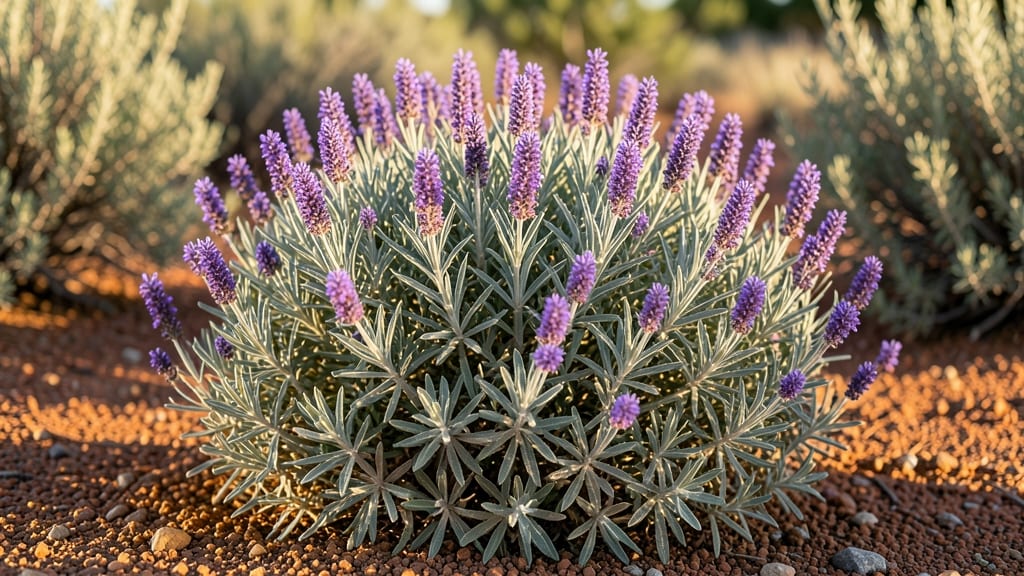
Full sun shrubs in Zone 9 don’t just survive—they thrive with drought-resistant beauty that turns your yard into a vibrant, low-maintenance oasis. 🌿 I’ve tested these plants through our brutal summers, and the right choices mean lush foliage, vibrant blooms, and zero guilt over water bills.
The key is selecting shrubs that love heat, hate humidity, and still look stunning year-round.
Texas Sage and Desert Spoon are my top picks—they’re tough as nails, need almost no water once established, and their colors pop like a sunset. Bougainvillea adds bold purple-pink blooms that last all season, while Mexican Feather Grass brings movement and texture.
These plants handle our 100-degree days without breaking a sweat, and they’ll outlast any flimsy annuals you’ve tried before.
Planting them right makes all the difference: well-draining soil, 6+ hours of sun daily, and spacing them 3-5 feet apart for airflow. Water deeply once a week for the first month, then let nature take over.
Prune lightly after blooming to keep them shaped, and you’ll have a garden that’s low-stress, high-impact, and actually thrives in Zone 9’s relentless sun.
Whether you’re lining a driveway, creating a privacy screen, or adding a pop of color to a hot, dry corner, these shrubs deliver. They’re the secret to a garden that’s easy to love—and even easier to maintain. Let’s get your yard looking effortlessly stunning without the fuss.
📚 In This Guide
- What you need
- Instructions
- Tips and common mistakes
- Wrapping up and next steps
What you need
- ● Drought-resistant shrubs (Zone 9 hardy): 3–5 mature plants (e.g., Lantana, Texas Sage, or Turk’s Cap)
- ● Well-draining soil: 50 lbs of cactus/succulent mix or 10 lbs of perlite per plant
- ● Organic mulch: 2–3 cubic feet of gravel, decomposed granite, or wood chips
- ● Slow-release fertilizer: 1 lb of 10-10-10 or 5-5-5 organic blend per plant
- ● Garden trowel or spade (for digging)
- ● Garden gloves (to protect your hands)
- ● Watering can or hose with a gentle nozzle (for initial watering)
- ● Measuring tape (to space plants 3–6 ft apart)
- ● Drip irrigation kit (for efficient watering)
- ● Plant support stakes (for taller shrubs like Texas Sage)
- ● Pruning shears (for shaping and maintenance)
- ● Soil moisture meter (to monitor drought conditions)
Step-by-Step guide to selecting and planting Zone 9 full-sun shrubs
Here's how to choose and establish sun-loving shrubs that won't just survive Zone 9's heat—they'll thrive.
☀️ Step 1: Choose Drought-Resistant Varieties for Zone 9
Start with shrubs proven to handle full sun (6+ hours daily) and Zone 9's intense heat. My top picks include Texas Sage (Leucophyllum frutescens), which blooms purple after rain, and California Lilac (Ceanothus), with its striking blue flowers and silvery foliage. Both tolerate dry soil once established and handle 100°F+ temperatures without wilting.
Look for native or adapted species—they've evolved to handle your climate. Avoid tropical imports that need constant moisture. Check the plant tag for USDA Zone 9-11 labeling. You'll see these shrubs listed as "drought-tolerant" or "low-water once established."
🪴 Step 2: Prepare Planting Sites with Proper Drainage
Shrink full-sun shrubs need well-draining soil to prevent root rot in Zone 9's heat. Test your soil by digging a 6-inch deep hole—if water pools after 30 minutes, amend with 2-3 inches of compost mixed into the top 12 inches of soil. For heavy clay, blend in sand or perlite to improve drainage.
Choose planting locations with 6+ hours of direct sun and protection from strong afternoon winds. I always plant Texas Sage on the west side of the house where it gets morning shade from the roof but full sun in the afternoon. Mark planting spots with stakes to avoid disturbing roots later.
🌱 Step 3: Plant at the Right Depth and Water Thoroughly
Dig a hole twice as wide as the root ball but only as deep—planting too deep suffocates roots. Gently remove the shrub from its container and loosen any circling roots with your fingers. Place it in the hole so the top of the root ball sits level with the surrounding soil.
Backfill with native soil (no amendments) and water immediately to settle it. I always water deeply until the soil is moist 6 inches down—this encourages roots to grow downward where they'll find moisture during drought. Add 2-3 inches of mulch around the base (keeping it 3 inches away from the trunk) to retain moisture and regulate soil temperature.
💧 Step 4: Establish a Watering Schedule for First Year
Newly planted shrubs need weekly deep watering during their first year to establish roots. Water early morning to reduce evaporation and fungal risks. You'll know you're watering enough when the soil 6 inches down stays consistently moist—stick your finger in to check. Overwatering is worse than underwatering for Zone 9 shrubs.
After the first year, reduce watering to every 2-3 weeks unless your area experiences extended dry spells (no rain for 3+ weeks). Mature Texas Sage and California Lilac can go months without supplemental water once established. Watch for leaf scorch (brown edges)—this signals underwatering, not heat stress.
✂️ Step 5: Prune Strategically for Health and Shape
Prune late winter or early spring (February-March) before new growth begins. Remove dead, diseased, or crossing branches first, then shape by cutting back to just above a leaf bud. Never cut into old wood—most sun-loving shrubs bloom on new growth, so aggressive pruning reduces flowers.
For Texas Sage, I prune lightly after blooming to maintain shape. California Lilac responds well to hard pruning every 2-3 years to rejuvenate growth. Always sterilize pruners with rubbing alcohol between cuts to prevent disease spread. You'll see new, vigorous growth within 4-6 weeks of proper pruning.
Tips & tricks for thriving Zone 9 sun-loving shrubs
Real talk: Planting drought-resistant shrubs in Zone 9 isn't just about throwing them in the ground and hoping for the best. Here's what I've learned to make sure they don't just survive—they absolutely flourish.
Selection Tip: When choosing between Texas Sage and California Lilac, consider your space and color preferences. Texas Sage grows in a mounded shape (3-6 feet tall) and thrives in well-drained, rocky soil—perfect for slopes or dry creek beds. California Lilac, on the other hand, has a more rounded habit (6-10 feet) and handles heavier soils better. Both bloom spectacularly, but their growth patterns suit different landscape designs.
Soil Prep Secret: That 30-minute water test in Step 2 is crucial—don't skip it! If water pools after 30 minutes, you've got drainage issues that will kill your shrubs in Zone 9's heat. I've seen people add too much compost (more than the 2-3 inches recommended) and end up with soggy soil. The key is blending that compost into just the top 12 inches—don't dig deeper than necessary. For clay-heavy soils, mix in coarse sand or perlite to create channels for water to escape.
Planting Depth: I can't tell you how many times I've seen people plant shrubs too deep—it's a silent killer. The top of that root ball needs to sit level with the surrounding soil, not buried. When you plant too deep, you're essentially suffocating the plant. Think of it like wearing shoes that are too tight—the roots can't breathe or spread properly. After planting, give the soil a gentle squeeze—it should feel firm but not compacted.
Watering Wisdom: The weekly deep watering schedule in Step 4 is non-negotiable during the first year. But here's what nobody tells you: use a moisture meter or your finger to check that 6-inch depth. If it's dry, water again—don't assume one soaking is enough. I've found that drip irrigation systems work best for Zone 9 shrubs because they deliver water slowly at the root zone, reducing evaporation. And always water in the morning so any excess can evaporate during the day rather than sitting on leaves and inviting fungal problems.
Pro Tips for Zone 9 Shrubs Full Sun
- Real talk: Planting drought-resistant shrubs in Zone 9 isn't just about throwing them in the ground and hoping for the best.
- Selection Tip: When choosing between Texas Sage and California Lilac, consider your space and color preferences.
- Soil Prep Secret: That 30-minute water test in Step 2 is crucial—don't skip it!
Frequently asked questions
What are the best drought-resistant shrubs for Zone 9 full-sun gardens?
Top picks include Texas Sage (Leucophyllum frutescens), Desert Willow (Chilopsis linearis), Bougainvillea, and California Lilac (Ceanothus). These thrive with minimal water, handle heat, and add vibrant color or texture. Pro tip: Look for native species—they’re already adapted to your climate!
When is the best time to plant shrubs in Zone 9 full sun?
Plant in early fall or late winter (Nov–Feb) to avoid summer heat stress. This gives roots time to establish before the hottest months. Spring planting is possible but requires extra watering. Avoid planting during peak summer—shrubs may struggle to root in extreme heat.
How often should I water newly planted Zone 9 shrubs in full sun?
Water deeply 2–3 times per week for the first month, then taper to once a week (or less for established plants). Mulch heavily (2–3 inches) to retain moisture. Once established, most drought-resistant shrubs need water only during prolonged dry spells.
What if my shrubs look wilted or stressed in full sun?
Wilted leaves often mean underwatering or heat stress. Check soil moisture—if dry 2+ inches down, water deeply. Provide afternoon shade temporarily if possible, or prune to improve airflow. Overwatering can also cause stress; let soil dry between waterings.
Can I replace my existing shrubs with drought-resistant alternatives?
Dig up thirsty shrubs (like hydrangeas or impatiens) and swap them for low-water natives or succulents. Timing matters: Transplant in cooler months (fall/winter) and water thoroughly post-planting. Bonus: Native shrubs attract pollinators and reduce your water bill!
What pests should I watch for in Zone 9 full-sun shrubs?
Common culprits include aphids, spider mites, and scale insects, especially on bougainvillea or rosemary. Prevent with: Regular inspections, neem oil sprays, or introducing beneficial insects (like ladybugs). Most drought-resistant shrubs are pest-resistant, but monitor new growth closely.
Wrapping up and next steps
Choosing the right Zone 9 shrubs for full sun can transform your landscape into a vibrant, low-maintenance oasis—even in the driest conditions! 🌞 From drought-resistant Texas Sage to the bold charm of Desert Willow, these sun-loving plants bring year-round color and resilience to your outdoor space.
With the right soil prep, watering know-how, and a little seasonal care, you’ll enjoy a thriving garden that’s as beautiful as it is hardy.
Ready to get started? Pick your favorite shrubs, grab your tools, and plant with confidence! 🌱 Whether you’re revamping an entire yard or adding a single statement plant, your full-sun haven is just a few steps away.