
Shrubs
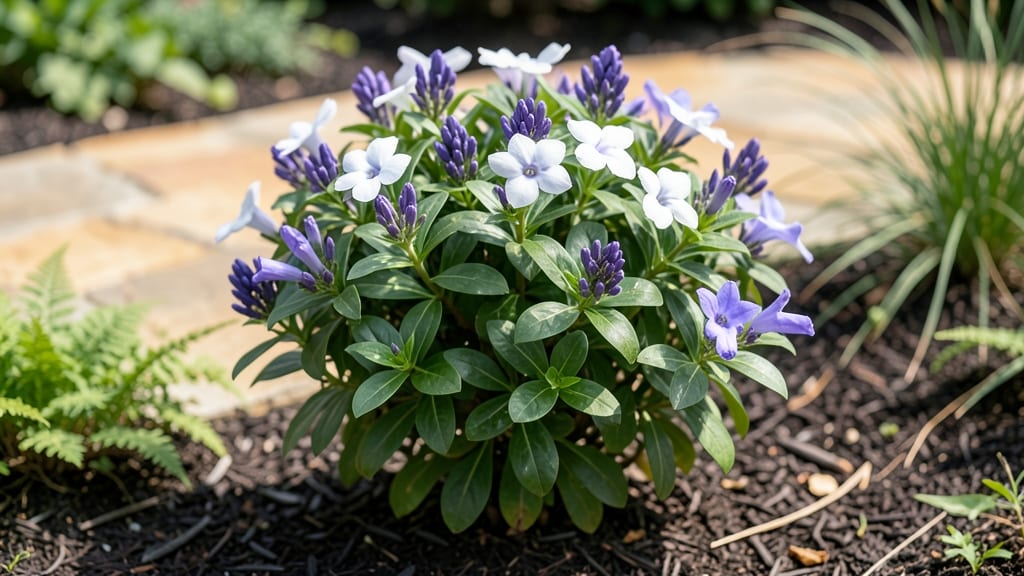
Your Yesterday Today and Tomorrow shrub could be blooming in every shade of purple by next spring—if you time the pruning right. ✨ I’ve watched this shrub go from a struggling understudy to the star of my garden simply by adjusting when I cut back.
The secret lies in understanding its natural growth cycles and when to encourage new flushes of flowers. This shrub thrives in zones 9-11, where it can handle heat and humidity, but even in cooler climates, it rewards patience with fragrant blooms that change color daily.
Start with well-draining soil and a spot with morning sun and afternoon shade—too much direct sun scorches the leaves, while too little dims the flowers. The key is matching its needs to your climate, whether you’re in a coastal garden or a desert landscape.
When you prune after the last flush of blooms in late winter or early spring, you’ll trigger a second wave of flowers by summer. The result? A lush, fragrant canopy that smells like lavender and looks like a watercolor painting.
Just avoid heavy pruning in fall—this shrub needs its energy to prepare for winter. Perfect for borders, containers, or as a focal point in tropical-inspired gardens. Here’s how to keep yours thriving year after year.
📚 In This Guide
- What you need
- Instructions
- Tips and common mistakes
- Wrapping up and next steps
What you need
- ○ Pruning shears: Bypass pruners (sharp, clean, and sterilized with rubbing alcohol to prevent disease). Optional: Loppers for thicker branches.
- ● Gloves: Heavy-duty gardening gloves (nitrile-coated for durability; protect against thorns and sap).
- ● Disinfectant: 70% isopropyl alcohol or a 10% bleach-water solution (for sanitizing tools between cuts).
- ○ Pruning sealant (optional): Tree wound sealant (for large cuts > ½ inch in diameter; controversial but useful for tropical shrubs).
- ● Markers: Permanent markers or tape (to label pruned branches if tracking growth phases).
- ● Trash bags: Heavy-duty for clippings (shrub produces fast-growing regrowth—compost or dispose promptly).
- ● Weather check: Prune on a dry, overcast day (avoid rain for 24 hours before/after). Ideal temps: 55–75°F (13–24°C).
- ● Watering schedule: Water the shrub 24 hours before pruning (soil should be moist but not soggy).
- ● Safety gear: Long sleeves/pants (sap can irritate skin) and safety glasses (if working near eyes).
- ● Know your shrub: Identify current year’s growth (softer, lighter green stems) vs. older wood (woody, darker).
Instructions for pruning your Yesterday today and tomorrow shrub
This fragrant beauty thrives with the right timing—here’s how to keep it lush and blooming.
✂️ Step 1: Prune After the First Bloom Cycle
Wait until late spring or early summer, right after the first flush of blue flowers fades. This is your "yesterday" pruning—cutting back spent blooms encourages a second, even more vibrant round of flowers. Use clean, sharp pruners to snip just above a set of healthy leaves or a bud.
Here's the thing—don’t overdo it. Remove only one-third of the plant’s height to avoid stressing the shrub. You’ll see fresh, new growth within 2-3 weeks, signaling the plant is responding well. This timing ensures you don’t cut off next year’s buds, which form on old wood.
✂️ Step 2: Light Pruning in Mid-Summer
By mid-summer, your shrub will have filled out with new growth. This is your "today" pruning—focus on shaping and thinning. Remove any leggy or crossing branches that block airflow, as this prevents fungal diseases and keeps the canopy open for better fragrance.
I like to step back and look for branches that disrupt the natural shape. Cut these back to a strong outward-facing bud to encourage bushier growth. Avoid heavy pruning now—just tidy up. You’ll notice the plant’s fragrance intensifies as air circulates better through the branches.
✂️ Step 3: Major Renewal Pruning in Late Fall or Early Winter
This is your "tomorrow" pruning—the time to rejuvenate the shrub for next season. Wait until after the first hard frost or in early winter when the plant is dormant. Cut back one-third to one-half of the oldest, woody stems to the ground. This might sound drastic, but it stimulates fresh, vigorous growth from the base.
Real talk: If your shrub looks overgrown or leggy, this is the step that saves it. After pruning, apply a 2-inch layer of mulch around the base to protect roots over winter. By spring, you’ll see new shoots emerging from the ground—proof the shrub is ready for another glorious season.
✂️ Step 4: Spring Cleanup Before New Growth
In early spring, just as buds begin to swell, do a final cleanup. Remove any dead, diseased, or weak branches left from winter. Prune lightly to shape the shrub, but avoid heavy cuts now—you want to preserve energy for the upcoming blooming season.
This is also the time to fertilize lightly with a balanced, slow-release fertilizer to support new growth. Watch for fresh green leaves emerging within 3-4 weeks—that’s your cue the shrub is waking up and ready for another cycle of blooms and fragrance.
Tips & tricks for pruning your Yesterday today and tomorrow shrub
Keeping your fragrant shrub thriving takes more than just timing—it's about understanding the plant's natural rhythms. Here's what I've learned after watching my own shrubs transform with these precise techniques.
Tool Preparation: Always disinfect your pruners with rubbing alcohol or a 10% bleach solution between cuts. This prevents spreading diseases between branches. I keep a small bottle of alcohol in my gardening toolkit for quick cleanups—it takes just seconds and makes all the difference in keeping your shrub healthy. The clean cuts also heal faster, reducing stress on the plant.
Visual Pruning Cues: When shaping in Step 2, look for branches that grow inward or cross each other—they're the first to remove. I imagine the shrub's natural vase shape and cut anything that disrupts that form. For the "tomorrow" pruning in Step 3, focus on the thickest, oldest stems first—they've had their chance to bloom and now need to make way for new growth. This is where you'll see the most dramatic transformation by spring.
Seasonal Adjustments: In warmer climates, your "tomorrow" pruning might need to happen slightly later in winter when the ground isn't frozen. I've seen shrubs in Zone 8 respond better to pruning after the first hard frost but before temperatures drop below 30°F. The key is always dormancy—wait until the plant has fully shut down for winter. This timing ensures you're not cutting into next year's buds forming on old wood.
Pro Tips for Yesterday Today And Tomorrow Shrub
- Keeping your fragrant shrub thriving takes more than just timing—it's about understanding the plant's natural rhythms...
- Tool Preparation: Always disinfect your pruners with rubbing alcohol or a 10% bleach solution between cuts. This prev...
- Visual Pruning Cues: When shaping in Step 2, look for branches that grow inward or cross each other—they're the first...
Frequently asked questions
Got questions about keeping your Yesterday, Today and Tomorrow shrub thriving with the perfect pruning timing?
Here are some of the most common ones—plus quick answers to keep your fragrant canopy in top shape!
When is the best time to prune my Yesterday, Today and Tomorrow shrub?
The ideal time to prune is late winter or early spring, just before new growth begins. This ensures you don’t cut off next year’s blooms. Avoid pruning in fall, as it can stimulate tender growth that may not survive winter. For light shaping, you can do a light touch-up in summer after flowering.
Can I prune my shrub after it flowers? What happens if I do?
Pruning right after flowering can be done, but it will remove next year’s blooms. If you must prune post-bloom, keep cuts minimal—focus on dead or overcrowded branches. For the best display, wait until late winter/early spring. Think of it like trimming a bouquet: you’d want to save the best blooms for later!
How much can I prune without harming the shrub?
You can safely remove up to 1/3 of the shrub’s total growth in one session. For heavy pruning, spread it over 2-3 years to avoid stress. Always use clean, sharp tools and cut just above a leaf node or bud. Over-pruning can weaken the plant, so when in doubt, less is more!
What if my shrub isn’t blooming as much as it used to? Could pruning be the issue?
Over-pruning or pruning at the wrong time (like right after flowering) can reduce blooms. Check for dead, diseased, or crossing branches—removing these can improve air flow and encourage healthier growth. Also, ensure your shrub gets full sun (6+ hours/day) and well-draining soil. If it’s still struggling, a balanced fertilizer in early spring might help!
How do I prune in cold climates without damaging the shrub?
In cold regions, prune as late as possible in winter (just before buds swell) to avoid exposing tender new growth to frost. Use sharp, sterilized tools to prevent disease entry, and avoid heavy pruning—focus on shaping and removing dead wood. Mulch around the base after pruning to protect roots from freezing temperatures.
Wrapping up and next steps
Mastering the art of pruning your Yesterday, Today, and Tomorrow shrub ensures a fragrant, lush canopy year after year! 🌿 By timing your cuts—whether for spring rejuvenation, summer shaping, or winter cleanup—you’ll unlock its full potential.
Remember, patience and precision are key: a little effort now means blooms that’ll steal the show tomorrow.
Ready to transform your shrub into a fragrant masterpiece? Grab your shears and schedule that first trim today—your garden (and future self) will thank you! 🌸