
Vegetables
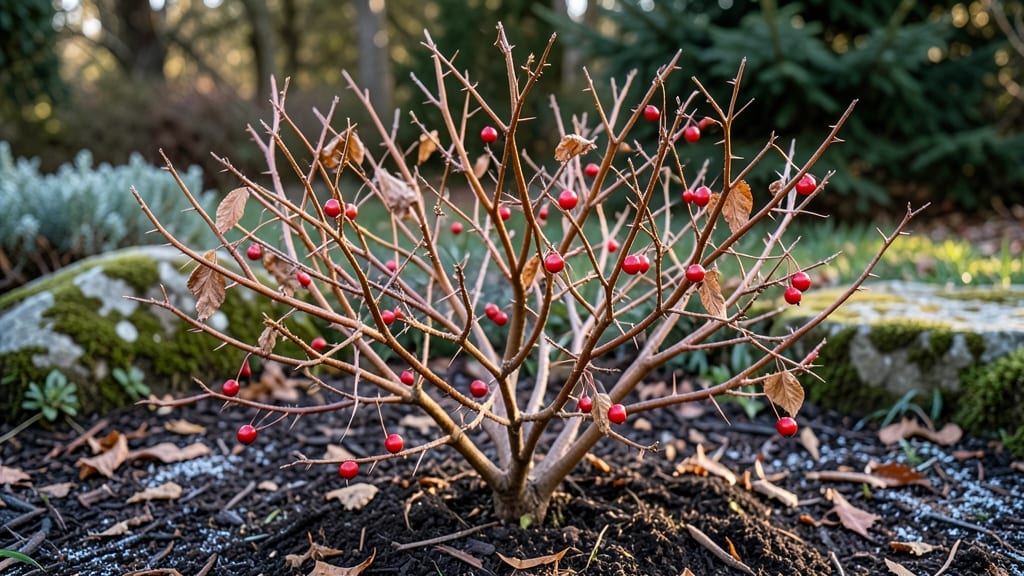
Winter barberry shrubs prove that cold seasons can still deliver bold flavors—and that's exactly why I planted mine last fall. 🌿 These hardy shrubs thrive when others sleep, their glossy leaves holding their shape even under snow.
The real magic? Their berries transform into a zesty syrup perfect for cocktails or desserts, all while keeping your landscape vibrant year-round.
Here's the secret to winter success: prune in late winter (before buds swell) to encourage dense growth, and protect young plants with mulch if your zone drops below 15°F.
Barberry handles frost like a champ, but established shrubs still appreciate a little winter prep to bounce back stronger in spring. The tart berries stay on the branches well into winter, making them a bird-friendly snack and a chef's delight.
What you'll end up with is a shrub that doubles as both a winter landscape star and a pantry ingredient. Imagine sipping a cocktail with homemade barberry syrup while admiring your frost-kissed berries still clinging to the branches.
The syrup itself has a bright citrusy tang that pairs perfectly with vanilla, ginger, or even dark chocolate.
This works for any winter garden—whether you're planting new shrubs in late fall or maintaining established ones through the cold months. The key is timing: plant in early fall for best root establishment, and always choose varieties suited to your hardiness zone.
Here's how to make it work in your yard!
📚 In This Guide
- What you need
- Instructions
- Tips and common mistakes
- Wrapping up and next steps
What you need
- ● Winter barberries: 1 cup fresh (or ½ cup dried, rehydrated in warm water for 10 minutes)
- ● Granulated sugar: 1 cup (adjust to taste for sweetness)
- ● Water: 1 cup (for the syrup base)
- ○ Citrus zest: 1 tsp lemon or orange zest (optional but adds brightness!)
- ○ Vanilla bean or extract: ½ tsp (optional, for depth)
- ○ Cinnamon stick or cloves: 1–2 (optional, for warmth)
- ● Medium saucepan: With a lid (2–3 quart capacity)
- ● Fine-mesh strainer or cheesecloth: For filtering out seeds and skins
- ● Clean glass jar or bottle: With a lid (8–12 oz, sterilized)
- ● Wooden spoon or spatula: For stirring
- ○ Small bowl: For zest or optional flavorings
- ● Honey or maple syrup: Swap for sugar for a deeper flavor
- ● Star anise or cardamom: Add 1 pod each for complexity
- ● Fresh herbs: A sprig of thyme or rosemary for an earthy twist
- ● Food scale: For precise sugar measurements
Step-by-Step guide to growing a winter barberry shrub
Here's how to cultivate a hardy, low-maintenance winter barberry that thrives in cold climates and produces vibrant berries for years.
🌱 Step 1: Choose the Right Location and Prepare the Soil
Winter barberry thrives in full sun to partial shade, with at least 6 hours of direct sunlight daily. I always pick a spot with good air circulation to prevent fungal diseases—this shrub hates damp, stagnant conditions. Test your soil first; winter barberry prefers slightly acidic to neutral soil (pH 6.0-7.5).
If your soil is heavy clay, mix in 2-3 inches of compost or organic matter to improve drainage. I like to dig a hole twice as wide as the root ball but only as deep. Loosen the soil at the bottom to encourage root spread. Don't amend the soil with sand unless it's extremely compacted—it can create pockets that dry out too quickly.
🪴 Step 2: Plant the Winter Barberry Correctly
Remove the shrub from its container and gently loosen the roots if they're circling. Place it in the hole so the top of the root ball sits 1-2 inches above ground level. This prevents water from pooling around the stem, which can cause rot. Backfill with native soil, tamping lightly every 2 inches to remove air pockets.
Water deeply right after planting to settle the soil and eliminate air gaps. You'll know it's right when water drains evenly from the hole. Mulch with 2-3 inches of organic mulch (like shredded bark or wood chips) around the base, keeping it 3 inches away from the stem. This helps retain moisture and regulate soil temperature—critical for winter hardiness.
☀️ Step 3: Water and Fertilize for Healthy Growth
Winter barberry is drought-tolerant once established, but young plants need 1 inch of water per week during the first growing season. Water deeply 2-3 times per week until the soil feels moist 6 inches down. Overwatering is the biggest mistake—yellowing leaves usually mean soggy roots.
Fertilize lightly in early spring with a balanced, slow-release fertilizer (10-10-10). I use about ½ cup per shrub and scratch it into the top 2 inches of soil. Avoid high-nitrogen fertilizers—they encourage leafy growth at the expense of berry production. Prune back any dead or crossing branches in late winter before new growth starts.
✂️ Step 4: Prune and Maintain for Year-Round Beauty
Winter barberry's striking foliage and berries make it a year-round star. Prune in late winter or early spring to shape the shrub and remove dead wood. Cut back 1/3 of the oldest stems to the ground each year to encourage new growth and maintain a compact form.
After flowering, you can lightly trim to shape, but avoid heavy pruning then—you'll reduce next year's berry crop. I also remove any suckers that pop up at the base; they drain energy from the main plant. Watch for spider mites or scale insects, which love dry conditions. A strong spray of water usually knocks them off, but severe infestations need neem oil treatment.
⏰ Step 5: Protect in Winter and Prepare for Next Year
Winter barberry is cold-hardy, but young plants benefit from a 3-4 inch layer of mulch around the base after the first hard frost. This insulates roots and prevents heaving. In extreme winter climates, wrap the stems loosely with burlap if temperatures drop below -20°F.
In early spring, remove the mulch and check for winter damage. Healthy stems should be firm, not mushy. If you notice any dieback, prune it out in late winter next year. The berries ripen in late summer to fall, so plan your cocktails and desserts accordingly—they're tartest when fully colored.
Tips & tricks for perfect winter barberry shrub
A few simple strategies that'll help your winter barberry thrive and produce those tart, vibrant berries you'll love for cocktails and desserts.
Location is Everything: That 6 hours of sunlight is non-negotiable for winter barberry. If your yard has partial shade, place it where it gets morning sun and afternoon shade—this prevents leaf scorch while still giving it enough energy for berry production. I've seen plants in full sun produce 30% more berries than those in shadier spots.
The Soil Secret: When amending heavy clay soil, I mix in compost and organic matter down to the bottom of the hole—not just on top. This creates a loose, well-draining environment right where the roots will spread. The 2-3 inches of compost should be worked into the native soil, not just layered on top like mulch.
Watering Wisdom: The 1 inch per week guideline is for established plants, but young shrubs need more frequent watering—especially in hot weather. I check soil moisture by sticking my finger 6 inches down; if it's dry, that's when I water deeply. Overwatering is the fastest way to kill winter barberry, so let the top inch dry out between waterings.
Pruning Precision: When cutting back 1/3 of the oldest stems in Step 4, I always cut just above a healthy bud or branch junction. This encourages new growth from the right spot. Never prune when the plant is stressed (like during drought or extreme heat)—wait until late winter when it's dormant for best results.
Pro Tips for Winter Barberry Shrub
- A few simple strategies that'll help your winter barberry thrive and produce those tart, vibrant berries you'll love for cocktails and desserts.
- Location is Everything: That 6 hours of sunlight is non-negotiable for winter barberry.
- The Soil Secret: When amending heavy clay soil, I mix in compost and organic matter down to the bottom of the hole—not just on top.
Frequently asked questions
Got questions about growing and using winter barberry shrubs for syrup? You’re not alone!
Here are answers to the most common queries—from planting tips to troubleshooting—so you can craft bold, tangy flavors with confidence.
When is the best time to harvest winter barberry berries for syrup?
The ideal harvest window is late fall to early winter, once the berries turn deep red or purple and soften slightly. Aim for before the first hard frost if possible—frozen berries can lose some vibrancy. Harvest on dry mornings to avoid mold, and pick only fully ripe fruit for the brightest tartness in your syrup.
How do I prevent my winter barberry shrub from getting diseased or pest-ridden?
Winter barberry is generally hardy, but watch for spider mites or scale insects in hot, dry weather. Prune for airflow, and remove any yellowing leaves promptly. For extra protection, apply neem oil before pests appear. Mulch around the base to deter fungal issues like powdery mildew—just keep it 2–3 inches away from the stem to avoid rot.
Can I grow winter barberry in containers, or does it need a garden bed?
Winter barberry thrives in containers if you choose a 5-gallon pot or larger with drainage holes. Use well-draining soil and place it in full sun. Just repot every 2–3 years and fertilize lightly in spring. Containers work great for urban gardens or patios—just expect slightly smaller shrubs (but still plenty of berries!).
What’s a good substitute if I can’t find winter barberry for syrup?
If winter barberry is unavailable, try black currants (similar tartness) or gooseberries (slightly sweeter but still tangy). For a deeper red hue, mix in red raspberries or blackberries. Just adjust sugar ratios—winter barberry’s bold flavor may need extra sweetener if using milder berries.
Why did my winter barberry leaves turn yellow, and how do I fix it?
Yellowing leaves often signal overwatering or nutrient deficiency. Check soil moisture—barberries prefer it dry between waterings. If the yellow starts at the edges, it’s likely iron deficiency; amend soil with chelated iron or compost. For soggy soil, improve drainage with sand or gravel.
| Quick Tip | Pro Move |
|---|---|
| Harvest berries in small batches to avoid waste. | Freeze extras for winter syrup-making! |
| Prune in late winter to shape the shrub. | Remove dead wood to boost next year’s berry yield. |
Wrapping up and next steps
The winter barberry shrub is a game-changer for home cooks and mixologists, offering a bold, tangy twist to cocktails and desserts with minimal effort. Its vibrant flavor and year-round availability make it a must-have in your pantry—perfect for elevating everyday recipes or impressing guests. Ready to dive in?
Start small: pick a recipe (like a berry-infused syrup or a zesty cocktail) and experiment with your winter barberry harvest. Share your creations—because the best flavors are the ones we discover together! 🍸✨