
Pruning
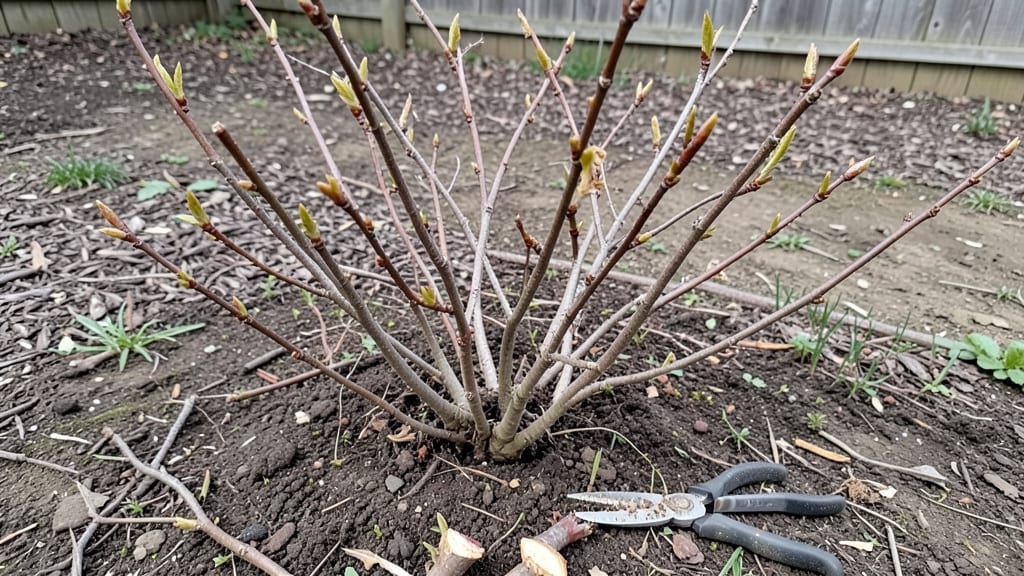
To prune weigela shrubs, time it for late winter or early spring just as new growth starts, shaping the plant while it's still dormant to promote fuller blooms. Never trim after mid-summer, or you'll sacrifice next year's flowers. Always use sterilized tools for clean cuts.
Weigela shrubs bloom on new wood, meaning their flowers develop on the current year's growth—not last year's branches.
This makes timing critical: pruning too late risks cutting off next season's buds. 🌸 I've found that early spring pruning (February to March in most climates) gives plants the best chance to recover and produce abundant blooms by summer.
The key is to prune just as the buds begin to swell but before active growth starts.
If you must shape the shrub later in the season, limit yourself to removing only dead or diseased branches. Heavy pruning in summer stresses the plant and can lead to fewer flowers the following year.
Always clean your tools with rubbing alcohol between cuts to prevent spreading disease—this is especially important for weigela, which can be prone to powdery mildew.
💡 In This Article
- Weigela Pruning Timing and Growth Cycle
- Step-by-Step Weigela Shrub Pruning Guide
Weigela pruning timing and growth cycle
Weigela shrubs bloom on new wood, meaning their flower buds form on the current year's growth rather than last year's branches. This is why late winter or early spring pruning—right before new growth begins—is ideal.
During dormancy, the plant's energy is stored in its roots, and pruning at this stage stimulates vigorous new shoots that will produce next year's flowers. The buds for summer blooms typically begin forming in late winter, so cutting too late risks removing these potential blooms.
The key window is when you see bud swell but before leaves emerge—usually February to March in most U.S. climates (adjust 2-3 weeks earlier for warmer zones). This timing ensures the plant has 6-8 weeks of growing season before winter dormancy to establish strong new branches.
Pruning too early (mid-winter) can expose the plant to cold stress, while waiting too long risks cutting off flower buds that have already formed.
Summer pruning is risky because weigela flowers develop on current-season growth. Cutting back after mid-summer removes next year's flower buds, which form on the new shoots produced that season. Even light shaping after July can reduce bloom quantity by up to 30-50% the following year.
The exception is removing dead, diseased, or crossing branches at any time—these should be pruned immediately to prevent spread.
Here's what's happening biologically: Weigela's flowering process begins with axillary buds (side buds) that form in late winter on the previous year's growth. These buds need 10-12 weeks of warm temperatures to mature into flowers.
If you prune after these buds form, you're essentially removing next year's blooms before they even open. The plant's energy then goes into leafy growth rather than flowering.
For visual cues, look for swollen buds along last year's branches—these are your flower buds for next season. If you see green tips emerging but no leaves yet, that's your perfect pruning window.
The plant's growth cycle follows this pattern: dormancy (winter) → bud swell (late winter) → active growth (spring) → flowering (summer) → seed production (fall) → dormancy (winter). Understanding this cycle helps you time pruning to maximize blooms.
What most gardeners don't realize is that weigela responds to pruning stress by producing more vigorous growth—but only if done correctly. Heavy summer pruning triggers a defense response that prioritizes leaf production over flower bud formation.
This is why professional gardeners often say weigela's blooms are a sacrifice—the plant chooses between lush foliage or abundant flowers, depending on when you prune. 🌿