
Shrubs
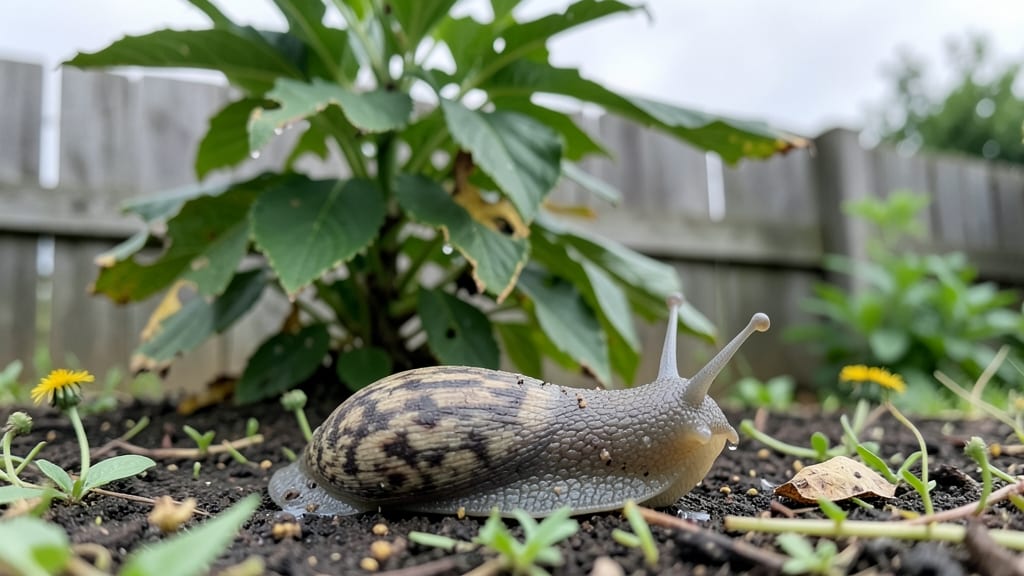
What eats shrubs overnight is often the last thing you’d suspect—deer, rabbits, and even caterpillars turn your greenery into a buffet. 🌿 I’ve tracked down the most common shrub munchers, from boxwood borers to hungry deer, and the natural solutions that actually work without harming pollinators or your yard’s ecosystem.
The damage often starts with subtle signs: chewed leaves, gnawed bark, or wilting branches. Deer browse at dawn and dusk, rabbits leave clean-cut stems, while beetles and caterpillars skeletonize foliage.
The key to protection is understanding their habits—whether it’s fencing, repellents, or planting deterrents like rosemary or lavender near vulnerable shrubs.
You’ll learn to identify the specific pests targeting your shrubs—whether roses, hydrangeas, or boxwoods—and how to intervene before the damage spreads. Organic sprays, habitat adjustments, and even companion planting can turn back the tide without chemicals.
The goal isn’t just to save your shrubs but to create a balanced garden where wildlife thrives without devouring your hard work.
Regional differences matter: Southern gardens battle beetles and slugs year-round, while northern yards face deer and rabbits in winter. The solutions adapt, but the principles stay the same—prevention, early action, and a mix of physical and natural defenses. Let’s get your shrubs back to their full, lush potential.
Creatures Behind The Feast
Shrubs aren’t just nature’s flavorful surprises—they’re a buffet for wildlife, and understanding why they get munched is key to protecting them. From hungry critters to environmental triggers, several factors turn your shrubs into a smorgasbord. Here’s the science behind the snacking:
Shrubs are packed with nutrients like carbohydrates, proteins, and vitamins, making them a prime target for herbivores. Deer, rabbits, and rodents (like voles and mice) have evolved to detect the volatile organic compounds (VOCs) emitted by shrubs—think of them as nature’s "eat me" signs.
These animals rely on shrubs for digestible fiber, moisture, and even medicinal compounds (some shrubs contain tannins that deter pests but don’t bother larger grazers).
- Deer: Use their keen sense of smell to zero in on tender new growth, especially in early spring when other food is scarce. 🦌
- Rabbits: Prefer young, soft stems and leaves, which are easier to digest than woody branches.
- Rodents: Gnaw on bark and roots for carbohydrates and cellulose, often tunneling underground to avoid predators.
Pro Tip: 💡 Ever notice shrubs with jagged edges? That’s a rabbit’s calling card—herbivores rarely eat entire leaves, leaving behind distinct bite patterns.
Shrubs become a survival strategy when other food sources dwindle. During winter, snow covers the ground, forcing animals to rely on evergreens or persistent shrubs like boxwood, holly, or juniper.
In late fall, deer and rabbits bulk up before hibernation or mating season, turning shrubs into a high-calorie snack. Even insects (like caterpillars or beetles) target shrubs when their preferred host plants—like fruits or vegetables—aren’t available.
| Season | Why Shrubs Get Eaten | Common Culprits |
|---|---|---|
| Winter | Snow covers ground; shrubs are accessible | Deer, rabbits, rodents |
| Spring | New growth is tender and nutrient-dense | Caterpillars, deer, voles |
| Fall | Animals fatten up for winter | Rabbits, squirrels, beetles |
Pro Tip: 🌡️ If you’re losing shrubs in winter, check for bark stripping—a sign rodents are gnawing for food. Deer, however, rarely eat woody stems unless desperate.
Ironically, how we garden can turn shrubs into wildlife magnets. Over-fertilizing or planting monocultures (large patches of the same shrub) makes them more appealing to herbivores. Here’s how:
- Soft, tender growth: Fertilizers like nitrogen promote lush, fast-growing shoots that deer and rabbits love—think of it as fast food for wildlife. 🍔
- Lack of diversity: A yard full of one type of shrub (like all boxwood) offers no escape for hungry animals. Variety confuses their foraging patterns.
- Water availability: Irrigated shrubs stay juicy and green year-round, making them a reliable snack compared to dry, woody plants.
Pro Tip: ✨ Break up shrub clusters with native perennials or thorny plants (like barberry or roses) to create natural barriers. Wildlife will avoid thorns and prickles!
Stressed shrubs are easier targets because their natural defenses (like bitter compounds or tough bark) weaken. Pests like aphids, spider mites, or borers drain nutrients, making shrubs less palatable but more vulnerable to herbivores. For example:
- Aphids: Excrete honeydew, which attracts ants and fungi, further stressing the plant. 🐜
- Fungal infections: Cause leaf drop or wilting, making shrubs look "easy prey" to deer.
- Root rot: Weakens structural integrity, so rabbits can pull entire stems out.
Pro Tip: 🔥 Healthy shrubs with thick bark or aromatic leaves (like lavender or rosemary) naturally deter pests. If your shrubs are already infested, treat the underlying issue first—repellents won’t work if the plant is already compromised.
Protecting Your Shrubs Naturally
When wildlife turns your shrubs into a buffet, don’t panic—there are practical, eco-friendly ways to reclaim your garden without harming the very creatures causing the damage.
Below, we’ve mapped common causes to simple, effective fixes, plus prevention tips to keep your shrubs lush and your local critters happy (but well-fed elsewhere).
Deer and rabbits are the sneaky culprits behind half-moon bites and stripped branches. The good news? Physical barriers work better than repellents—and they’re reusable year after year.
🔥 Step 1: Install a Temporary or Permanent Fence
- Height matters: Deer need an 8-foot fence (they can jump!), while rabbits only require 2–3 feet of sturdy mesh.
- Go for apron-style fencing (a lower fence with an outward angle) to block rabbits without trapping them.
- Pro tip: Bury the fence 6 inches deep or use chicken wire at the base to deter diggers.
🍳 Step 2: Use Natural Repellents (If Fencing Isn’t an Option)
Spray-on solutions: Mix 1 gallon of water + 1 cup rotten eggs + 1 tbsp cayenne pepper.
Reapply after rain. - Plant deterrents: Surround shrubs with daffodils, lavender, or boxwood—deer and rabbits avoid these. - 💡 Pro tip: Rotate repellents every few weeks to prevent wildlife from getting used to them.
⏰ Prevention: Keep Them Distracted
- Plant a "sacrificial garden": Grow clover, alfalfa, or ornamental grasses a few feet away to lure them elsewhere.
- Motion-activated sprinklers (like ScareCrow) startle them without harm.
These tiny troublemakers gnaw on young shoots, bark, and even stored shrub ingredients. Exclusion and habitat tweaks are your best defenses.
👨🍳 Step 1: Seal Entry Points
- Wrap trunks in hardware cloth or tree guards (squirrels can’t chew through metal mesh).
- Fill holes in woodpiles or garden structures—rodents nest there and return to snack.
- 🔥 Quick fix: Scatter cayenne pepper or crushed red pepper around the base of shrubs (reapply after rain).
🥘 Step 2: Remove Food Sources
- Clean up fallen fruit, nuts, or seeds—these attract squirrels and rodents.
- Store birdseed in metal containers (not fabric bags) to avoid inviting squirrel raids.
- 🌡️ Pro tip: If squirrels are after berry-producing shrubs, try bird netting to protect the harvest.
🎯 Prevention: Make Your Garden Less Inviting
- Avoid mulching too close to shrubs—piles of mulch create hiding spots.
- Install a squirrel baffle on bird feeders to keep them from jumping onto shrubs.
While birds add life to your garden, they can devour berries before they ripen or strip flower buds. Strategic deterrents keep them from turning your shrubs into a fast-food joint.
🔪 Step 1: Use Netting or Cages
- Cover shrubs with fine bird netting (like Agri-Fab) when buds form.
- For small shrubs, use wire cages (like those for grapes) to protect developing fruit.
- 💡 Pro tip: Secure netting with zip ties or clips—birds can get tangled in loose fabric.
✨ Step 2: Offer Alternatives
- Hang a bird feeder 10+ feet away to distract them from your shrubs.
- Plant bird-friendly shrubs elsewhere (like serviceberry or elderberry) to give them a dedicated snack spot.
📊 Prevention: Harvest at the Right Time
- Pick berries before they’re fully ripe if birds are relentless.
- Harvest in the early morning when birds are less active.
Aphids, Japanese beetles, and caterpillars can defoliate shrubs in days. Targeted treatments (not broad pesticides) keep them in check without harming pollinators.
🌿 Step 1: Handpick or Blast Them Off
- Japanese beetles: Squish them into soapy water in the morning (they’re slow then).
- Aphids/caterpillars: Blast off with a strong spray of water (repeat daily for a week).
- 🔥 Quick fix: Neem oil spray (mix 1 tbsp neem oil + 1 tsp dish soap + 1 quart water)—safe for most shrubs.
🍎 Step 2: Introduce Beneficial Insects
- Ladybugs eat aphids; praying mantises devour caterpillars. Buy them online or attract them with dill or fennel plants.
- Parasitic wasps (like Braconid) target beetle grubs—order them from garden centers.
🎯 Prevention: Strengthen Your Shrubs
- Water deeply but less often to reduce aphid populations (they love stressed plants).
- Prune for airflow—crowded shrubs attract more pests.
No matter the culprit, these low-effort habits reduce damage long-term:
- 💡 Plant in clusters: Shrubs in groups are less appealing than lone plants.
- 🌡️ Mulch correctly: Use 2–3 inches of mulch (not piles) to deter burrowing pests.
- 🎯 Rotate plants: If one shrub gets munched yearly, swap it for a less palatable variety (e.g., Russian olive over lilac for deer-prone areas).
- 🔥 Keep the area tidy: Remove dead wood, leaf litter, and weeds—they hide pests and predators.
Final Thought: A little strategy + consistency goes a long way. Test one fix at a time, observe what works, and adjust. Your shrubs—and your local wildlife—will thank you! 🌿🐾
Frequently asked questions
What are the most common animals that eat shrubs?
Deer, rabbits, and rodents like voles top the list, but insects such as Japanese beetles, caterpillars, and aphids also target shrubs. Deer prefer tender new growth, while rabbits leave clean-cut stems. Rodents gnaw on bark and roots, while beetles skeletonize leaves.
How can I tell if deer or rabbits are eating my shrubs?
Deer leave jagged, irregular edges on leaves, while rabbits create clean, 45-degree cuts near the ground. Check for these bite patterns—deer feed at dawn/dusk, while rabbits are most active at night. Look for droppings nearby.
Are there natural ways to protect shrubs without chemicals?
Yes! Try physical barriers like fencing (8 feet for deer, 2-3 feet for rabbits) or repellents like garlic spray or crushed red pepper. Planting deterrents such as daffodils, lavender, or thorny roses around shrubs also works. Mulch with 2-3 inches of wood chips to deter burrowing pests.
Can birds really damage shrubs?
Birds like robins and cedar waxwings devour berries before they ripen, while finches strip flower buds. Use fine bird netting over shrubs or offer alternative food sources (like a distant bird feeder) to redirect their attention.
Why do some shrubs get eaten while others in the same yard stay untouched?
Shrubs vary in palatability—deer and rabbits often avoid thorny or aromatic varieties like barberry or rosemary. Location matters too: Isolated shrubs are easier targets than those in clusters. Stress from poor soil or drought also makes plants more vulnerable.