
Shrubs
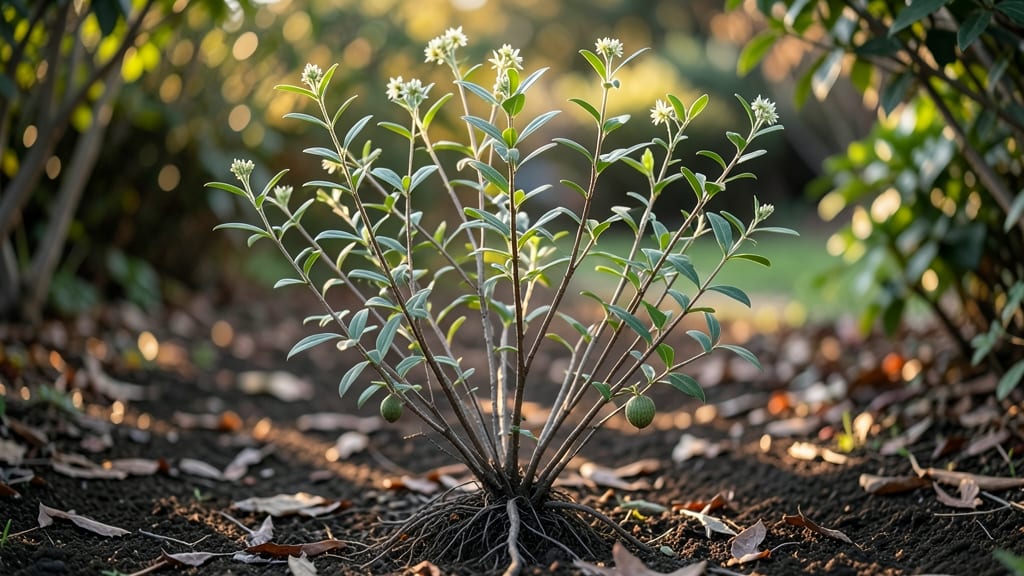
That zigzag-branched walking stick shrub is the architectural star of my shade garden. 🌿 Its fragrant leaves and striking form make it a standout, but pruning at the right time keeps it lush and controlled—something I learned the hard way after letting mine get too wild last spring.
These shrubs thrive in partial shade with well-draining soil, making them perfect for understory planting or as a textured backdrop. The key to their care is patience—water deeply but infrequently once established, and feed lightly in early spring to encourage that signature branching.
Most gardeners over-prune, so I’ll show you how to shape it without sacrificing its natural beauty.
By late summer, you’ll see new growth filling in gaps, and the scent of crushed leaves becomes a garden highlight. The shrub’s resilience means fewer pests, but watch for spider mites in dry spells—just a quick spray of water usually clears them up.
Whether you’re starting from seed or propagating cuttings, this shrub rewards attention with year-round interest. The real magic happens in how it transforms a dull corner into a fragrant, textured focal point—no fancy tricks required.
📚 In This Guide
- What you need
- Instructions
- Tips and common mistakes
- Wrapping up and next steps
What you need
- ● Walking Stick Shrub (Corylopsis spp.) – Choose a healthy, potted plant (1–3 gallons) from a nursery or mail-order supplier. Popular varieties include Corylopsis spicata or Corylopsis pauciflora.
- ● Well-draining soil mix – 50% high-quality garden soil + 30% compost + 20% perlite or sand (pH 5.5–6.5).
- ● Garden trowel or shovel – For planting and soil amendments.
- ● Pruning shears (bypass type) – Sharp, clean shears (sterilize with rubbing alcohol between cuts).
- ● Mulch (2–3 inches) – Organic mulch (wood chips, pine straw) to retain moisture and suppress weeds.
- ● Watering can or hose with adjustable nozzle – For deep, even watering.
- ○ Sunlight meter (optional but helpful) – To confirm partial shade (4–6 hours of dappled light daily).
- ● Slow-release fertilizer – 10-10-10 or acidic fertilizer (e.g., Azalea/Camellia blend) for spring feeding.
- ● Soil pH test kit – To verify acidity before planting.
- ● Plant support stake – For young shrubs in windy areas (bamboo or metal stakes).
- ● Fungicide (copper-based) – Preemptive treatment if your area has high humidity.
- ● Garden gloves – To protect hands during pruning.
Step-by-Step instructions for cultivating a fragrant walking stick shrub canopy
This is where the magic happens—transforming a single walking stick shrub into a lush, fragrant canopy through precise pruning and care.
🌱 Step 1: Select and Prepare the Planting Site
Choose a location with partial shade to full sun—walking stick shrubs thrive where they receive 4-6 hours of morning sunlight but are protected from harsh afternoon rays. The soil should drain well but retain moisture; amending with organic compost improves texture and fertility. I always dig a hole twice as wide as the root ball to encourage root expansion.
Here's the thing—walking stick shrubs hate soggy roots. If your soil drains poorly, mix in 10% perlite or coarse sand to create air pockets. Test the hole depth by ensuring the top of the root ball sits 1 inch above ground level—this prevents water pooling around the stem. The first year is critical; don't rush planting until you've confirmed drainage.
✂️ Step 2: Prune for Structure in Early Spring
Timing is everything with walking stick shrubs. Prune just as new growth begins in early spring—you'll see buds swelling along the stems. Use clean, sharp pruners to cut back one-third of the previous year's growth, focusing on inward-facing or crossing branches. This opens the canopy to sunlight and air circulation, which boosts fragrance production.
Watch for water sprouts—those vigorous, vertical shoots that steal energy from the shrub. Snip them off at the base immediately. I like to shape the plant into a rounded dome by removing branches that disrupt the natural form. The goal is to encourage lateral branching, which creates that dense, fragrant canopy you're after.
☀️ Step 3: Maintain Through the Growing Season
Water deeply once a week during the first growing season, ensuring the soil is moist 6 inches down. Walking stick shrubs are drought-tolerant once established, but young plants need consistent moisture to develop strong roots. You'll know you're on track when the soil feels slightly damp but not soggy at that depth.
Fertilize lightly in early spring and midsummer with a balanced, slow-release fertilizer (10-10-10). Over-fertilizing leads to lush foliage but weak fragrance—this shrub is all about that aromatic punch. Mulch around the base with 2-3 inches of organic mulch to retain moisture and suppress weeds. Keep the mulch 6 inches away from the trunk to prevent rot.
⏰ Step 4: Refine the Canopy in Late Summer
Late summer is the time to fine-tune the shape and encourage next year's blooms. Prune again to remove any dead, diseased, or weak branches, and thin out crowded areas to improve airflow. You'll see new growth at the tips of branches—these are your clues for where to focus. Cut back just above a leaf node to stimulate branching.
This is the moment that matters: pinch back the tips of vigorous shoots to encourage bushier growth. You'll notice the plant filling in more densely over the next few weeks. Avoid heavy pruning now—you don't want to stimulate tender growth that won't harden off before winter. The goal is to shape without shocking the shrub.
❄️ Step 5: Winter Care for Next Year's Growth
Walking stick shrubs are hardy, but a little winter prep ensures they bounce back strong. Once temperatures drop below 25°F, apply a 2-3 inch layer of mulch around the base to insulate roots. Avoid piling mulch against the trunk—this can trap moisture and cause rot. I also like to lightly prune any dead or broken branches in late winter to tidy up before new growth starts.
Real talk: If you see yellowing leaves in early spring, it's often a sign of overwatering during winter. Walking stick shrubs go semi-dormant and need minimal water once growth stops. Resume regular watering only when you see new buds forming—that's your signal to start hydrating again. Patience here pays off with a fragrant, full canopy the following season.
Tips & tricks for perfect walking stick shrub canopy cultivation
Here's what nobody tells you—these are the details that separate a struggling shrub from a fragrant, lush canopy.
Site Selection Secrets: The 4-6 hours of morning sunlight is non-negotiable, but don't overlook the afternoon shade. I've seen walking stick shrubs in full sun locations wilt by midday—even if they're labeled "sun-tolerant." Test your spot by observing how quickly it heats up; if the ground is scorching by 11 AM, you need more shade. The soil's moisture retention matters just as much as drainage—amend with organic compost to create that perfect balance.
Pruning Precision: When you're cutting back that one-third of last year's growth in Step 2, focus on creating an open center. I use a simple visual trick: imagine looking at the shrub from above—you should see sunlight reaching the center. This isn't just about shape; it's about maximizing fragrance production. The more air circulation, the stronger that aromatic punch becomes. And remember—those water sprouts? They're sneaky little energy thieves that can completely disrupt your canopy's development.
Watering Wisdom: That "once a week" guideline in Step 3 is a starting point, not a rule. I check soil moisture by inserting my finger 6 inches down—if it's dry, water deeply. If it's still damp, wait another day. The key is consistency in the first year; young roots need that steady moisture to establish. I've seen many gardeners overwater in an attempt to keep things moist, only to create root rot. Walking stick shrubs are tough once established, but they're delicate in their infancy.
Late Summer Shape-Up: The pinch-back technique in Step 4 is where you'll see real transformation. When you pinch those vigorous tips, you're essentially telling the plant, "Grow wider, not taller." This creates that dense, bushy canopy we all want. I like to do this on a slightly cloudy day—the plants are less stressed by the manipulation. And here's a pro move: after pinching, give your shrub a light foliar spray with water. It helps reduce stress and encourages faster recovery.
Pro Tips for Walking Stick Shrub
- Here's what nobody tells you—these are the details that separate a struggling shrub from a fragrant, lush canopy.
- Site Selection Secrets: The 4-6 hours of morning sunlight is non-negotiable, but don't overlook the afternoon shade.
- Pruning Precision: When you're cutting back that one-third of last year's growth in Step 2, focus on creating an open center.
Frequently asked questions
Got questions about nurturing your walking stick shrub (Corylopsis)? You’re not alone! Here are answers to the most common queries—from pruning puzzles to care quirks—so you can keep your fragrant canopy thriving.
When is the best time to prune my walking stick shrub?
Prune your Corylopsis right after flowering (late winter to early spring) to avoid cutting off next year’s blooms. Light shaping can happen in summer, but avoid heavy pruning—these shrubs reward patience with delicate, fragrant flowers!
How fast does a walking stick shrub grow?
Expect moderate growth: about 12–24 inches per year. With proper care, it can reach 6–10 feet tall over time. Patience pays off—its aromatic flowers and unique bark make the wait worth it!
Can I grow a walking stick shrub in a container?
Yes! Choose a large pot (at least 18 inches wide) with drainage holes and well-draining soil. Repot every 2–3 years, but know it’ll need occasional winter protection in colder zones (USDA 5–8).
Why are the leaves turning yellow or brown?
Yellowing leaves often signal overwatering or poor drainage. Brown edges? It might be underwatering or salt buildup from tap water. Adjust care and check soil moisture—walking stick shrubs prefer moist but not soggy conditions.
Will my shrub bloom if I prune too late?
Pruning after flowering (summer/fall) can reduce blooms next season, but it won’t kill the shrub. For best results, stick to post-flowering pruning and avoid heavy cuts. Light trimming to shape is fine—just avoid overdoing it!
Pro Tip:
Love the scent? Plant near patios or windows—walking stick shrubs release their spicy, vanilla-like fragrance strongest in early spring. A little pruning now means a scent-sational show later!
Wrapping up and next steps
Mastering the art of pruning your walking stick shrub transforms it into a fragrant, lush canopy that’s the envy of any garden! 🌿 With the right timing, tools, and techniques—like early spring shaping or post-bloom cleanup—you’ll encourage vibrant growth and those signature sweet blooms.
Remember, patience and consistency are key, and soon your shrub will thrive as a stunning focal point.
Ready to elevate your green thumb skills? Start small—pick one pruning session this season and observe the difference! For deeper dives, explore local gardening workshops or connect with shrub-loving communities online. Happy pruning! ✂️🌸