
Shrubs
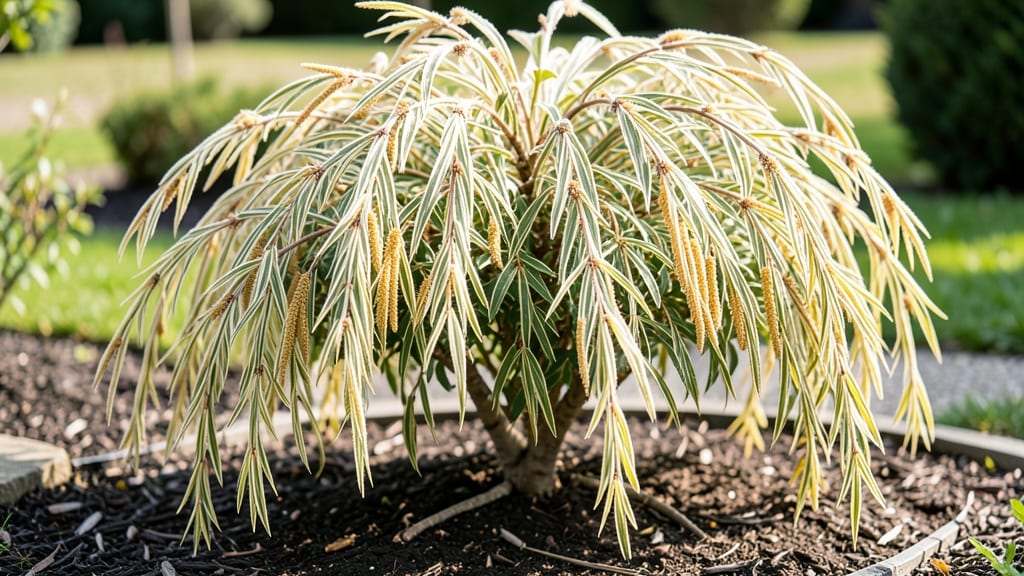
Variegated willow shrubs bring a striking splash of color to any landscape, with their golden-yellow and cream foliage that shimmers year-round. 🌿 I’ve grown these fast-growing beauties for years, and the secret to keeping their variegation vibrant lies in the right growing conditions and pruning science—something most gardeners overlook until it’s too late.
These shrubs thrive in moist, well-drained soil and love full sun to partial shade, making them perfect for wetter areas like streamsides or rain gardens. They grow 3-6 feet tall and wide, so give them space to spread.
The key to their stunning variegation? Pruning in late winter or early spring to encourage new growth and maintain their signature color contrast.
With the right care, your variegated willow will reward you with lush, eye-catching foliage that turns heads in every season. The best part? Their fast growth means you’ll see dramatic results in just a few years.
Whether you’re planting one as a standalone specimen or lining a garden path, this shrub delivers low-maintenance beauty with minimal effort.
Ready to transform your garden? Start by choosing a spot with plenty of sunlight and moist soil—then let the pruning guide do the rest. Your variegated willow will thank you with a canopy that stays vibrant and full all year long.
📚 In This Guide
- What you need
- Instructions
- Tips and common mistakes
- Wrapping up and next steps
What you need
- ● Variegated willow shrubs: 1-3 plants (choose cultivars like Salix caprea 'Tristis' or Salix babylonica 'Tortuosa' for dramatic variegation).
- ● Well-draining soil: 5-10 bags (20 lbs each) of a mix like 50% garden soil + 50% sand/perlite for optimal drainage.
- ● Organic compost: 1-2 bags (10 lbs each) to enrich soil fertility.
- ● Pruning shears: 1 pair (bypass type, sharp and sterilized).
- ● Gloves: 1 pair (gardening gloves for protection).
- ● Watering can or hose: 1 (with a gentle spray nozzle for delicate foliage).
- ● Mulch: 1 bag (10 lbs) of wood chips or straw to retain moisture.
- ○ Stakes (optional for support): 2-4 bamboo stakes (4-5 ft tall) if planting in windy areas.
- ● Fertilizer: Slow-release granular fertilizer (10-10-10 ratio, 5 lbs) for early spring growth.
- ● Plant food: Liquid seaweed extract (16 oz) for a nutrient boost.
- ● Pruning sealant: 1 small tube to prevent sap loss after cuts.
- ● Soil pH tester: 1 kit to ensure soil is slightly acidic (pH 6.0-7.0).
- ● Decorative rocks: 1 bag (5 lbs) for a polished garden bed finish.
Step-by-Step guide to pruning variegated willow shrubs for vibrant growth
Mastering the art of pruning these striking shrubs unlocks their full potential—here's how to shape them for year-round color.
🪴 Step 1: Select the Right Tools and Timing
Start by gathering sharp, clean pruning shears (sterilized with rubbing alcohol) and thick gardening gloves—willow bark contains irritating compounds. The best time to prune is late winter to early spring, just as new growth begins. This timing ensures you remove dead wood while stimulating fresh, variegated shoots. Avoid pruning in fall, as it encourages tender new growth that won't survive winter.
I like to work on a dry, 50-60°F day when the shrub is dormant but not frozen. This prevents stress and allows for better visibility of the branch structure. If you must prune in summer, do it early in the morning to minimize water loss and heat stress on the plant.
✂️ Step 2: Remove Dead and Weak Wood First
Begin by inspecting the shrub for dead, diseased, or crossing branches—these compete for resources and disrupt airflow. Cut these back to the main stem or lateral bud, making clean cuts at a 45-degree angle just above an outward-facing bud. This angle helps rainwater run off and prevents rot. Look for branches that are brown, brittle, or hollow—these won’t regrow and should be removed entirely.
Don’t rush this step. I often spend 10-15 minutes carefully evaluating each branch before making a cut. Healthy wood should be green or light brown and firm to the touch. If you’re unsure, gently scratch the bark—if it’s green underneath, the branch is still alive.
☀️ Step 3: Shape for Light Penetration and Airflow
Variegated willows thrive on bright, indirect light, so your goal is to create an open, airy structure that allows sunlight to reach all branches. Start by thinning out the innermost branches to improve airflow and reduce humidity-related diseases. Aim to remove 20-30% of the foliage in one session—this encourages bushier growth and more vibrant variegation.
Focus on selective pruning rather than shearing. Cut back overcrowded stems to a lateral bud or branch junction, leaving the rest of the shrub intact. You’ll see the difference immediately—the center will brighten, and new shoots will emerge with more pronounced variegation as they seek sunlight.
🌿 Step 4: Encourage New Growth with Strategic Cuts
To promote a fuller, more colorful canopy, make heading cuts on the outer branches. Trim back the tips of healthy, variegated stems by one-third to one-half their length. This stimulates branching and encourages the growth of more variegated shoots from the lateral buds. Avoid cutting into old wood—focus on the current season’s growth for the best results.
Watch for new buds forming within 4-6 weeks after pruning. These will develop into fresh, variegated growth. If you notice any revert branches (solid green stems without variegation), prune them back aggressively—they can overtake the plant if left unchecked.
💧 Step 5: Post-Pruning Care for Recovery
After pruning, apply a balanced, slow-release fertilizer (10-10-10) around the base of the shrub to support new growth. Water deeply but infrequently—variegated willows prefer moist but well-draining soil. Mulch with 2-3 inches of organic mulch (like shredded bark) to retain moisture and suppress weeds. Avoid piling mulch against the trunk, as this can cause rot.
Keep an eye out for new shoots emerging from the base and mid-stem. These are your plant’s way of compensating for the pruning. If any branches look stressed or wilted after pruning, trim them back further—they’ll recover quickly with proper care. Within a few months, your shrub will reward you with a denser, more vibrant canopy of variegated foliage.
Tips & tricks for pruning variegated willow shrubs
Real talk: Pruning these beauties takes patience, but these tricks will help you avoid common mistakes and get the most stunning results.
Timing is Everything: The late winter to early spring window is non-negotiable for best results. I've learned this the hard way—pruning too early can damage dormant buds, while waiting too long risks losing the variegation as summer growth begins. If you absolutely must prune outside this window, summer pruning should only happen in early morning hours to minimize stress on the plant. The 50-60°F temperature range is ideal because it's cool enough to prevent heat shock while still allowing clear visibility of branch structure.
Branch Inspection Technique: That 10-15 minute inspection period in Step 2 is your secret weapon. I've found that gently tapping branches with your pruning shears helps identify hollow or diseased wood—it produces a dull thud compared to the solid sound of healthy branches. Pro tip: Use a small magnifying glass to check for spider mites or fungal growths on the bark during this inspection. Healthy bark should feel smooth and slightly waxy, not rough or powdery.
Light Penetration Strategy: When thinning branches in Step 3, focus on creating a "light funnel" effect—start with the innermost branches and work your way outward. This creates a natural gradient where sunlight reaches the center first, encouraging more vibrant variegation. I like to visualize removing branches that would cast shade on others, almost like sculpting with light. Remember, you're aiming for that 20-30% reduction—don't overdo it, or you'll stimulate too much new growth at once.
Post-Pruning Recovery: The 2-3 inches of organic mulch mentioned in Step 5 isn't just about moisture retention—it also regulates soil temperature. I've noticed that mulched plants recover faster from pruning shocks, especially in hot climates. For extra protection, consider adding a layer of straw mulch around the base after pruning, which provides additional insulation against temperature fluctuations. This is particularly helpful if you're pruning in transitional seasons when temperatures can swing dramatically.
Pro Tips for Variegated Willow Shrubs
- Real talk: Pruning these beauties takes patience, but these tricks will help you avoid common mistakes and get the most stunning results.
- Timing is Everything: The late winter to early spring window is non-negotiable for best results.
- Branch Inspection Technique: That 10-15 minute inspection period in Step 2 is your secret weapon.
Frequently asked questions
Got questions about variegated willow shrubs?
You’re not alone! Here are answers to the most common queries to help you grow a stunning, low-maintenance shrub with year-round flair.
How often should I prune variegated willow shrubs for best results?
Prune your variegated willow twice a year: late winter (before new growth) to shape the canopy and early summer to encourage fresh, colorful foliage. Light trimming between seasons keeps them tidy without stressing the plant. Avoid heavy pruning in fall—it can stunt winter hardiness!
Are variegated willow shrubs cold-hardy? What zones do they thrive in?
Yes! These shrubs are highly cold-tolerant and thrive in USDA Zones 4–9. They handle snow and frost beautifully, making them perfect for northern climates. Just ensure they get well-draining soil to prevent winter rot. Mulch lightly in Zone 4 for extra protection.
Why are the variegated patterns fading on my willow shrub?
Fading variegation is often due to too much shade or over-fertilizing with high-nitrogen feeds, which promotes green growth. Ensure your shrub gets 4–6 hours of sunlight daily and use a balanced fertilizer (10-10-10). Prune to improve airflow—this keeps foliage vibrant!
What’s a good alternative if variegated willow shrubs don’t grow well in my area?
If your climate is too hot/dry or too wet, try these low-maintenance variegated shrubs:
- Dwarf Fountain Grass (‘Karl Foerster’) – Hardy, upright, and drought-tolerant.
- Variegated Boxwood (‘Green Velvet’) – Evergreen with creamy edges, thrives in shade.
- Ninebark (‘Diablo’) – Cold-hardy with burgundy stems and white variegation.
Are variegated willow shrubs prone to pests or diseases?
They’re generally pest-resistant, but watch for aphids or scale insects on new growth. Treat with neem oil or a strong spray of water. Powdery mildew can occur in humid climates—improve airflow by pruning and avoid overhead watering. Healthy soil = happy shrub!
Wrapping up and next steps
Transforming your garden with variegated willow shrubs is a rewarding journey that blends artistry with horticulture! 🌿 These stunning plants offer year-round visual appeal, and with the right pruning techniques, you can keep their canopies vibrant and thriving.
Whether you're a seasoned gardener or just starting, the key is patience, observation, and a little creativity—your future garden masterpiece awaits.
Ready to take the next step? Start small—pick one shrub to experiment with pruning this season, then expand your skills. Share your progress with fellow plant enthusiasts or even snap a photo for inspiration! Happy gardening! 🌟