
Pruning
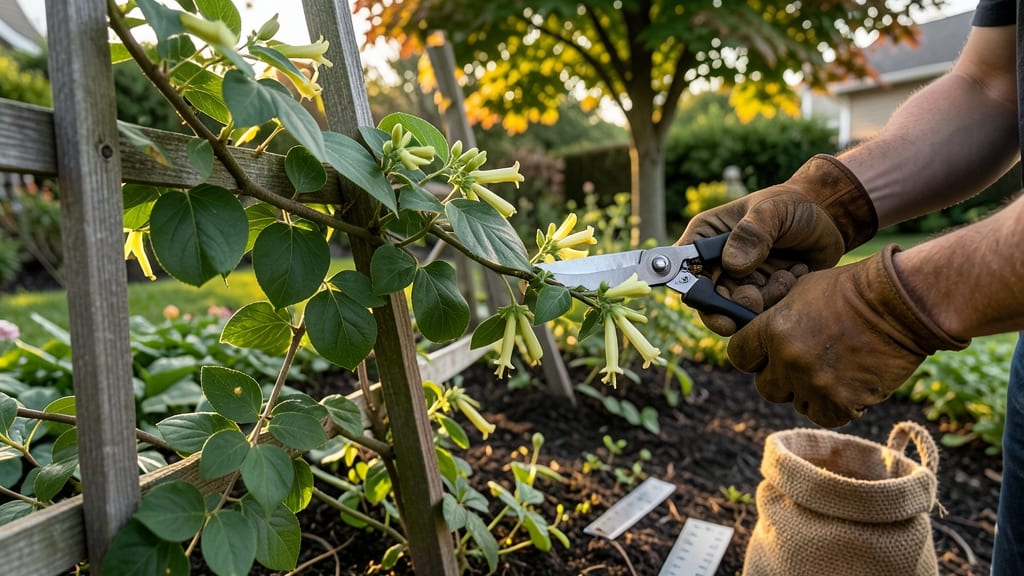
Trimming honeysuckle shrubs isn’t just about shaping—it’s about reviving those fragrant blooms year after year. 🌿 I’ve learned the hard way that skipping pruning turns lush shrubs into tangled messes with fewer flowers. The key? Timing, technique, and knowing where to cut to encourage fresh growth.
You’ll need sharp pruners, gloves, and a clear morning to work—sunlight makes it easier to spot old wood. Start by removing dead or crossing branches first, then shape the shrub by cutting just above leaf nodes. This simple method keeps honeysuckle blooming longer and looking fuller than ever.
By summer’s end, you’ll notice new growth pushing out from those pruned spots, and next spring’s flowers will be more abundant than before. The trick is consistency: a little trimming now saves hours of cleanup later.
Works for both climbing and bush varieties, and the same rules apply whether you’re pruning in early spring or late winter. Let’s get those blooms back in full force!
📚 In This Guide
- What you need
- Instructions
- Tips and common mistakes
- Wrapping up and next steps
What you need
- ● Pruning shears or bypass pruners – Sharp, high-quality shears (e.g., Felco or Fiskars) for clean cuts on small stems. Quantity: 1 pair.
- ● Loppers – For thicker branches (½" to 1.5" diameter). Quantity: 1 pair (long-handled for reach if needed).
- ● Pruning saw – For stubborn, woody stems (1.5"+ diameter). Quantity: 1 (with a fine-tooth blade).
- ● Gloves – Heavy-duty, thorn-resistant gloves (e.g., Mechanix or gardening-specific). Quantity: 1 pair.
- ● Disinfectant (rubbing alcohol or bleach solution) – To sterilize tools between cuts and prevent disease spread. Quantity: Small bottle or spray.
- ○ Pruning sealant (optional but helpful) – For large cuts to prevent sap loss or pests. Quantity: Small tube.
- ● Bucket or trash bag – For collecting clippings. Quantity: 1-2.
- ● Ladder or step stool – If the shrub is tall or hard to reach. Quantity: 1 (if needed).
- ● Sharpie or marker – For labeling cuts if needed (e.g., marking dead branches). Quantity: 1.
- ● Extension pole pruners – For high branches without a ladder.
- ● Hose or water spray – To clean tools mid-pruning or rinse sap off cuts.
- ● Compost bin – To recycle healthy clippings.
- ● Safety goggles – If the shrub is dense or thorny.
- ● Pruning guide or ruler – For measuring cuts precisely.
Step-by-step instructions for trimming honeysuckle shrub
Here's my go-to method for keeping honeysuckle lush and blooming all season long.
✂️ Step 1: Prune After the First Big Bloom
Timing is everything with honeysuckle. Once the first flush of flowers fades—usually 4-6 weeks after blooming—cut back one-third of the oldest stems to the base. These are the thickest, woody branches that produce fewer flowers each year. I always look for stems that are thicker than a pencil—those are the candidates for removal.
Use clean, sharp pruners to make 45-degree cuts just above a leaf node. This angle prevents water from pooling at the cut and encourages new growth. Avoid cutting into the center of the shrub—this creates a "donut hole" that blocks airflow and invites disease. Think of it like thinning a haircut: you're letting light and air reach the inner branches.
✂️ Step 2: Shape for Airflow and Light Penetration
Next, step back and assess the overall shape. Honeysuckle grows in a multi-stemmed, rounded form, so aim to maintain that natural silhouette. Remove any crossing, rubbing, or dead branches first—these compete for resources and can damage the plant. Cut these back to the nearest outward-facing bud.
For the remaining branches, focus on opening up the center. Thin out 10-20% of the densest growth by cutting branches back to their base. You'll see new shoots emerge from the base within 2-3 weeks—that's your signal the plant is responding well. Never remove more than one-third of the plant's volume in a single pruning session, or you'll shock it into dormancy.
☀️ Step 3: Light Pruning for Continuous Blooms
Throughout the growing season, do light maintenance pruning every 6-8 weeks to encourage new flower growth. Look for long, leggy stems that have finished blooming—these are the branches that need attention. Cut them back by half their length, but leave at least 2-3 sets of leaves to support photosynthesis.
Here's the thing—I always prune just above a leaf node where a side branch or flower bud is visible. This ensures the plant knows exactly where to grow next. Avoid "heading back" (cutting back to a bud in the middle of a stem)—this often results in weak, sparse growth. Instead, think of each cut as a way to redirect the plant's energy toward stronger, more productive branches.
✂️ Step 4: Clean Up Before Dormancy
In late fall, after the last frost but before hard frosts, do a final cleanup. Remove all dead, diseased, or weak branches, cutting them back to healthy wood. This is also the time to thin out any overly crowded growth—aim to leave 3-4 strong stems per foot of shrub height. You'll know you're on the right track if the center of the shrub is open and airy, not dense.
Rake up and dispose of all pruned material—never leave it on the ground. Honeysuckle can resprout from even small stem pieces, and diseased debris can harbor pests. After pruning, give the shrub a light layer of mulch (about 2 inches) to protect roots over winter. This final step sets the stage for a vibrant, blooming shrub come spring.
Tips & tricks for perfect honeysuckle pruning
These simple strategies will help you keep your honeysuckle thriving and blooming beautifully all season.
The Timing Secret: Watch your honeysuckle closely—those 4-6 weeks after the first bloom are critical. If you prune too early, you'll cut off next year's flowers. If you wait too long, the plant will put energy into seed production instead of new growth. Mark your calendar or set a reminder once the flowers start fading to ensure you don't miss this window.
Tool Tip: Invest in a good pair of bypass pruners—they make clean cuts that heal faster than jagged ones. I also keep a small pair of hand pruners handy for reaching tight spots. Always disinfect your tools with rubbing alcohol between cuts, especially if your shrub shows signs of disease. This prevents spreading pathogens from one cut to the next.
Visual Cue for Pruning: When you're thinning branches in Step 2, imagine looking through the center of the shrub. You should be able to see light and air moving through the middle—like peering through a window screen. If you can't see through, keep cutting back until you create that open, airy center. This isn't just about looks; proper airflow prevents fungal diseases that can ruin your shrub.
Seasonal Strategy: For the 6-8 week maintenance pruning mentioned in Step 3, I like to set a timer on my phone as a reminder. During these light pruning sessions, focus on removing only the leggy stems that have finished blooming. This keeps the shrub compact while encouraging continuous flowering throughout the season. Think of it like giving your honeysuckle a regular haircut to maintain its shape and health.
Pro Tips for Trimming Honeysuckle Shrub
- These simple strategies will help you keep your honeysuckle thriving and blooming beautifully all season.
- The Timing Secret: Watch your honeysuckle closely—those 4-6 weeks after the first bloom are critical.
- Tool Tip: Invest in a good pair of bypass pruners—they make clean cuts that heal faster than jagged ones.
Frequently asked questions
Got questions about trimming your honeysuckle shrub? You’re not alone! Here are answers to the most common concerns—so you can prune with confidence and keep your shrub thriving.
When is the best time to trim honeysuckle?
The ideal time to prune honeysuckle is late winter or early spring, just before new growth begins. For spring-blooming varieties, trim right after flowering to encourage dense blooms. Avoid heavy pruning in fall, as it can stimulate tender new growth that won’t survive winter.
How much can I trim off without harming the shrub?
You can safely remove up to one-third of the shrub’s height in a single pruning session. For overgrown honeysuckle, spread trimming over 2–3 years to avoid shocking the plant. Focus on dead, diseased, or crossing branches first—they’re the top priorities!
What if my honeysuckle won’t bloom after pruning?
If your honeysuckle skips blooms, it might be over-pruned or lacking sunlight. Check these fixes:
- Ensure it gets 6+ hours of sun daily.
- Avoid cutting back flower buds (they form on old wood).
- Fertilize lightly in early spring with a balanced 10-10-10 formula.
Are there alternatives to pruning if my honeysuckle is too large?
Yes! If pruning feels overwhelming, try these low-maintenance options:
- Thinning out: Remove only the thickest, oldest stems to improve airflow.
- Renewal pruning: Cut back 1/3 of the oldest canes each year to rejuvenate growth.
- Topiary shaping: Train the shrub into a hedge or standard form for controlled growth.
Why does my honeysuckle have yellow leaves after trimming?
Yellow leaves post-pruning usually signal stress or nutrient loss. Try these solutions:
- Water deeply 1–2 times per week for the first month.
- Apply a mulch layer (2–3 inches) to retain moisture.
- Test soil pH—honeysuckle prefers slightly acidic (6.0–7.0).
Wrapping up and next steps
Trimming your honeysuckle shrub isn’t just about keeping it tidy—it’s the secret to year-round blooms and a thriving plant! 🌸 By mastering the right techniques (like pruning in late winter or early spring and deadheading regularly), you’ll encourage lush growth and vibrant flowers.
Whether you’re a seasoned gardener or just starting out, a little effort goes a long way.
Ready to transform your garden? Grab your pruners, follow the steps, and watch your honeysuckle shine brighter than ever. Your next step? Head outside and give those branches the care they deserve! 🌿