
Shrubs
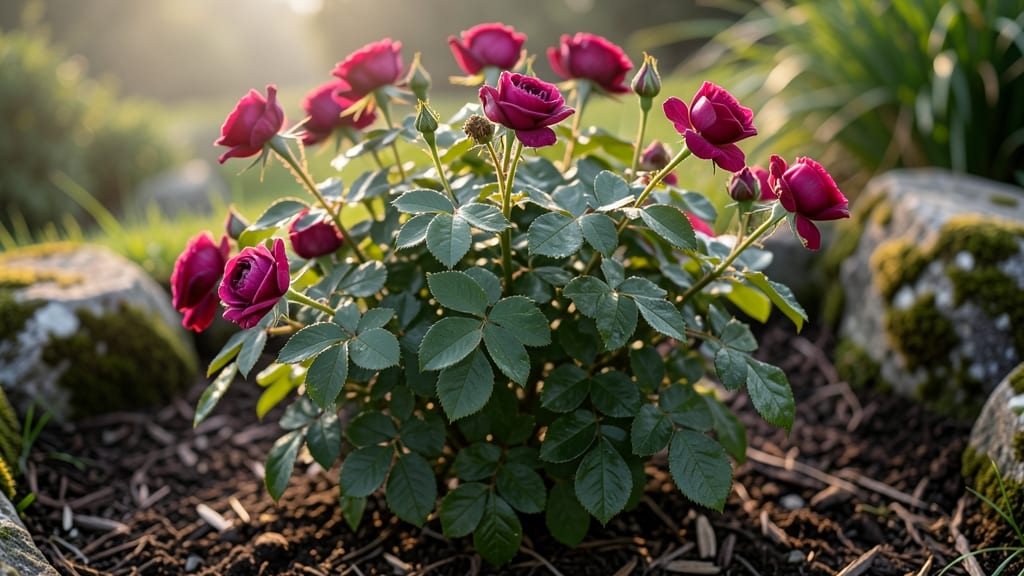
Growing thornless shrub roses changed how I enjoy my garden—no more bloody fingers when reaching for blooms. 🌹 These roses deliver fragrant canopies without the prickly drawbacks, making them perfect for family-friendly spaces, borders, and even containers.
The key starts with choosing the right variety, like 'Knock Out' or 'Dr. Huey', which thrive with minimal fuss and maximum bloom power.
They demand full sun (6+ hours daily) and well-draining soil mixed with compost—think of it as giving them a rich, airy bed to spread their roots. Planting in early spring or fall gives roots time to establish before extreme weather hits.
Space them 3-5 feet apart unless you're creating a dense hedge, where you can tuck them closer together for a lush, living wall effect.
Watering is simple: deep but infrequent—about 1 inch per week—to encourage strong root growth. Mulch helps retain moisture and keeps roots cool. Pruning is where the magic happens: cut back one-third in early spring and deadhead spent blooms all season to keep flowers coming.
The result? A nearly maintenance-free shrub that bursts with color from spring through fall.
For pest control, watch for aphids or Japanese beetles—spray with soapy water early to avoid chemicals. These roses also attract pollinators, so they’re great for wildlife-friendly gardens. Whether you're lining a path or adding height to a border, thornless shrub roses bring beauty without the bite.
📚 In This Guide
- What you need
- Instructions
- Tips and common mistakes
- Wrapping up and next steps
What you need
- ● Thornless shrub rose bushes: Choose disease-resistant varieties like 'Knock Out', 'Dr. Huey', or 'Flower Carpet' (3–5 plants, depending on desired coverage).
- ● Well-draining potting mix or garden soil: Amend with compost (50% soil, 50% compost) for optimal fertility.
- ● Organic or slow-release rose fertilizer: Look for a balanced formula (10-10-10 or similar) with micronutrients.
- ● Mulch (2–3 inches): Use shredded bark or pine straw to retain moisture and suppress weeds.
- ● Drip irrigation system or soaker hose: Roses love consistent moisture (1–1.5 inches per week).
- ● Garden trowel or spade (for planting).
- ● Pruning shears (bypass type) (sharp, clean, and disinfected).
- ○ Gloves (optional but recommended!) Thornless doesn’t mean no protection—opt for gardening gloves for comfort.
- ○ Rose support (optional): Stakes, cages, or trellises if your variety needs structure.
- ● Epsom salt (1 tbsp per plant, monthly) for magnesium boosts (especially for green foliage lovers).
Step-by-step instructions for planting and caring for thornless shrub roses
Here's how I transform my yard into a fragrant haven—no thorns, just beauty.
🌱 Step 1: Choose the Perfect Planting Spot
Thornless shrub roses thrive in full sun—at least 6 hours daily. I always scout the yard first, looking for areas with morning sun and afternoon shade if your climate runs hot. Avoid low spots where water pools after rain; roses hate soggy roots.
Test the soil pH with a simple kit—aim for 6.0 to 6.5. If your soil tests alkaline, amend with sulfur before planting. I dig a hole twice as wide as the root ball but only as deep as the container's root system. Loosen the sides of the hole with a shovel to encourage root spread.
🪴 Step 2: Prepare and Plant Your Thornless Roses
Remove the rose from its container and gently tease the roots outward if they're circling. Place the plant in the hole so the graft union (the swollen area near the base) sits 2-3 inches above soil level. This prevents soil from smothering the graft and encourages strong growth above ground.
Backfill with native soil mixed with 2-3 inches of compost—I always use the same soil you removed, never fresh topsoil. Water deeply as you fill, letting the soil settle naturally. Create a 3-inch high berm around the base to hold water during irrigation. Mulch with 2-3 inches of shredded bark to retain moisture and suppress weeds.
☀️ Step 3: Water and Fertilize for Strong Establishment
Water immediately after planting to eliminate air pockets around the roots. Keep the soil consistently moist for the first 4-6 weeks—that means watering when the top 2 inches feel dry. I use a soaker hose to deliver water slowly at the base, avoiding wetting the foliage to prevent disease.
Wait 6-8 weeks before fertilizing. Once new growth appears, apply a balanced rose fertilizer (10-10-10) according to package instructions. I fertilize every 4-6 weeks during the growing season, but never after mid-summer to encourage dormancy prep.
✂️ Step 4: Prune for Shape and Health
Prune in early spring before new growth starts. Remove any dead, diseased, or crossing branches first. Then cut back last year's growth by one-third to encourage bushier growth. I always make cuts at a 45-degree angle, just above an outward-facing bud.
Thornless roses bloom on both old and new wood, so I avoid heavy pruning in fall. After the first hard frost, remove only dead or damaged canes. Apply a 2-3 inch layer of mulch around the base to protect roots from freezing temperatures.
🌿 Step 5: Maintain Year-Round for Continuous Blooms
Deadhead spent blooms regularly to encourage more flowers. I pinch off faded blooms with my fingers or use clean pruners. Watch for pests like aphids or Japanese beetles—spray with neem oil at the first sign of trouble. Thornless roses are disease-resistant, but I still monitor for black spot by checking undersides of leaves weekly.
In late winter, prune again to remove any winter-damaged canes. Apply a slow-release rose fertilizer in early spring to jumpstart growth. With proper care, your thornless shrub roses will reward you with continuous blooms from early summer through fall—and none of the prickly hassle.
Tips & tricks for perfect thornless shrub roses
A few simple tricks that'll help your thornless shrub roses thrive and fill your garden with fragrance all season long.
The Sunlight Secret: While the instructions mention at least 6 hours of sun daily, I've found that morning sun paired with afternoon shade in hot climates makes all the difference. If you notice leaves scorch during summer afternoons, consider providing some afternoon shade—especially in the first few weeks after planting. This gradual adjustment helps prevent shock while still giving your roses enough light to flourish.
Planting Depth Matters: That 2-3 inch graft union placement above soil level is critical—don't bury it deeper! I've seen many gardeners accidentally plant too deep, which can cause the graft to rot. After planting, gently mound soil around the base to create that 3-inch berm, then water thoroughly. This helps settle the soil and ensures proper root establishment without smothering the graft.
Watering Wisdom: The first 4-6 weeks are crucial for root development, so I recommend checking soil moisture daily during this period. Stick your finger about 2 inches into the soil—if it feels dry, it's time to water. A soaker hose is perfect for this because it delivers water slowly at the base without wetting the foliage, which helps prevent fungal diseases like black spot that can plague roses.
Pruning Precision: When cutting back last year's growth by one-third during spring pruning, always make your cuts at a 45-degree angle just above an outward-facing bud. This technique encourages new growth in the right direction and prevents unsightly stubs. I like to sterilize my pruners with rubbing alcohol between cuts to prevent spreading any potential diseases from one branch to another.
Pro Tips for Thornless Shrub Roses
- A few simple tricks that'll help your thornless shrub roses thrive and fill your garden with fragrance all season long.
- The Sunlight Secret: While the instructions mention at least 6 hours of sun daily, I've found that morning sun paired with afternoon shade in hot climates makes all the difference.
- Planting Depth Matters: That 2-3 inch graft union placement above soil level is critical—don't bury it deeper!
Frequently asked questions
Got questions about growing thornless shrub roses? You’re not alone! Here are answers to the most common queries to help you cultivate a stunning, prickle-free garden with ease.
How do I choose the best thornless shrub rose for my climate?
Start by checking your USDA hardiness zone—most thornless varieties thrive in zones 4–9. Cold-hardy picks like ‘Knock Out®’ or ‘Dr. Huey’ excel in colder regions, while heat-tolerant types such as ‘Belinda’s Dream’ shine in the South. Always match your rose’s needs to your local weather patterns for year-round blooms!
When is the ideal time to plant thornless shrub roses?
Plant in early spring or fall when temperatures are mild (50–70°F). Avoid extreme heat or frost—roots need time to establish before stress. Spring planting gives roses a full growing season to settle in, while fall planting (6–8 weeks before frost) reduces summer watering demands.
Do thornless shrub roses need as much pruning as traditional roses?
Yes, but with a lighter touch! Prune in late winter or early spring to remove dead wood, crossing branches, and overcrowded stems. Focus on shaping rather than aggressive cuts—thornless varieties often bloom on old and new wood, so avoid heavy pruning after flowering. Pro tip: Use gloves and long sleeves to protect against any stray thorns!
Are thornless shrub roses as fragrant as their thorny counterparts?
Many thornless varieties pack rich, intoxicating scents, like ‘Double Knock Out®’ (citrusy) or ‘The Fairy’ (old-fashioned rose fragrance). If scent is a priority, check labels or ask nursery staff—they’ll point you to highly aromatic picks. Just be mindful: some hybrids prioritize disease resistance over perfume!
What pests or diseases should I watch for with thornless shrub roses?
Common issues include black spot, powdery mildew, and aphids. Improve airflow with proper spacing, water at the base (not leaves), and apply neem oil or fungicide preventatively. Thornless roses are less prone to thorn-related damage from critters, but deer or rabbits might still nibble—consider fencing or repellents if needed.
Can I grow thornless shrub roses in containers?
Yes! Dwarf or mini varieties like ‘Playboy’ or ‘Peace’ thrive in 5-gallon+ containers with well-draining soil. Use a balanced fertilizer (like 10-10-10) and repot every 2–3 years. Place pots in full sun (6+ hours/day) and water deeply when the top inch of soil dries. Pro tip: Elevate containers to improve drainage and prevent root rot!
Wrapping up and next steps
Thornless shrub roses bring beauty, fragrance, and ease to any garden—no prickly surprises! 🌸 With the right care, they’ll thrive as low-maintenance, lush canopies that bloom season after season. Whether you’re a beginner or a seasoned gardener, these roses reward your efforts with stunning color and effortless charm.
Ready to transform your space? Start small: pick one variety, prep your soil, and plant with confidence. Before you know it, you’ll be enjoying a fragrant, thorn-free oasis that’s the envy of the neighborhood!