
Pruning
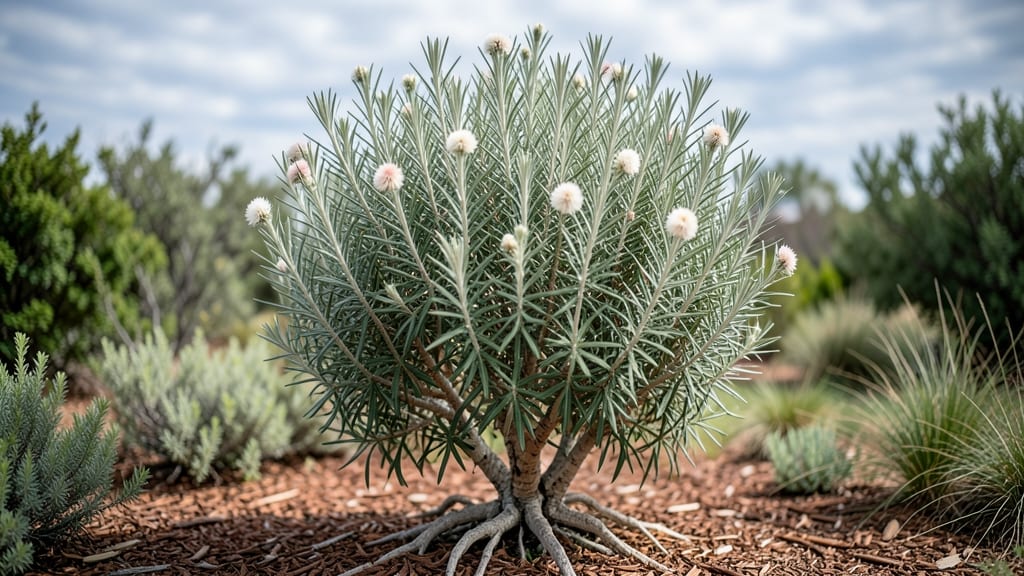
Your tea tree shrub's fragrance can fill your garden year-round with the right pruning approach. ✨ I’ve turned my once-wild, leggy tea tree into a lush, layered beauty that smells like a spa retreat—no matter the season.
The secret lies in shaping its canopy to encourage dense, fragrant foliage while keeping it healthy and compact.
Tea trees thrive in full sun but tolerate partial shade, making them versatile for gardens or containers. They love well-draining soil and only need watering when the top inch feels dry—overwatering is their biggest enemy.
Pruning isn’t just about shaping; it’s about encouraging new growth where you want it, so the scent stays strong and the branches stay sturdy.
By summer’s end, you’ll have a shrub that’s both beautiful and useful—its leaves can be dried for natural remedies or simply enjoyed for their fresh, medicinal aroma. The key is pruning in layers: start with the outer branches, then work inward to create that signature tea tree silhouette.
This method works for outdoor shrubs and even potted tea trees on patios. Whether you’re growing one for its scent, its ornamental value, or its practical uses, the right pruning turns it into a multi-season star. Let’s get those shears ready!
📚 In This Guide
- What you need
- Instructions
- Tips and common mistakes
- Wrapping up and next steps
What you need
- ● Pruning shears – Sharp, bypass-style (for clean cuts), 1 pair (or 2 pairs if working with thick branches).
- ● Loppers – Bypass or anvil type (for thicker branches up to 1.5 inches in diameter), 1 pair.
- ● Hand pruners – Bypass type (for precision work on small stems), 1 pair.
- ● Garden gloves – Heavy-duty, cut-resistant (tea tree branches can be sharp!), 1 pair.
- ● Disinfectant – 70% isopropyl alcohol or rubbing alcohol (to sterilize tools between cuts), small bottle.
- ● Pruning saw – Curved blade (for branches thicker than 2 inches), 1.
- ● Twine or zip ties – For securing branches during layered pruning, small roll.
- ● Rake or broom – For cleanup, 1.
- ○ Pruning sealant – Optional for large cuts (helps prevent disease in tea trees), small tube.
- ● Marking spray – Bright-colored (to highlight branches to remove), small can.
- ● Ladder or step stool – If your tea tree is taller than 6 feet, 1.
- ● Notebook & pen – To sketch your pruning plan before starting.
- ● Mulch or wood chips – For post-pruning care, 5–10 gallons.
Instructions for pruning tea tree shrubs
Here's how to shape your tea tree for year-round fragrance and healthy growth.
✂️ Step 1: Choose the Right Tools and Timing
Use clean, sharp pruning shears—dull blades tear stems and invite disease. I always sterilize my tools with rubbing alcohol before cutting. The best time to prune is late winter or early spring, just as new growth begins. This gives your tea tree time to recover before summer heat arrives.
Tea trees bloom on old wood, so avoid heavy pruning in fall or winter when you risk removing next year's flowers. If you must prune in summer, do it in the morning when temperatures are cooler and the plant has had time to hydrate overnight.
✂️ Step 2: Remove Dead or Damaged Branches First
Start by inspecting the entire shrub for branches that are dead, diseased, or crossing—these compete for energy and disrupt airflow. Cut these back to the main stem or to a healthy outward-facing bud. You'll notice dead branches have no green foliage and feel brittle when touched.
Make cuts at a 45-degree angle, about ¼ inch above a leaf node or bud. This angle helps water runoff avoid pooling on the cut, which prevents rot. If a branch is larger than ½ inch thick, use loppers and make the cut just outside the branch collar.
✂️ Step 3: Shape the Canopy for Airflow and Fragrance
Tea trees thrive with an open, layered canopy that allows sunlight to reach all branches. Start by thinning out the center to improve airflow—remove 20-30% of the oldest, innermost branches to let light penetrate. You'll see new growth emerge from the center within weeks.
Next, shape the outer edges to maintain a natural, rounded form. Cut back overgrown branches by ⅓ to ½ to encourage bushier growth. Avoid cutting into old wood—tea trees respond best to pruning that targets new growth. Step back occasionally to check your progress from all angles.
✂️ Step 4: Encourage New Growth with Strategic Cuts
To promote fragrant foliage, focus on light pruning throughout the growing season. Trim back the tips of branches by 1-2 inches to stimulate branching. You'll notice new shoots emerging within 4-6 weeks—these will develop into fragrant leaves.
If your tea tree has become leggy, prune the top ⅓ of the tallest branches to redirect energy downward. This creates a fuller, more compact shrub. Always prune just above a leaf node to encourage outward growth rather than upward elongation.
⏰ Step 5: Post-Pruning Care for Recovery
After pruning, water deeply to help the plant recover. Tea trees prefer well-draining soil, so avoid soggy conditions. Apply a light layer of mulch around the base (but not touching the trunk) to retain moisture and regulate soil temperature.
Monitor the pruned areas for new growth within 2-3 weeks. If you see yellowing leaves, it may indicate over-pruning or stress—reduce future cuts and focus on hydration. A lightly pruned tea tree will reward you with year-round fragrance and lush foliage for seasons to come.
Tips & tricks for perfect tea tree shrub pruning
These simple tricks will help you shape your tea tree like a pro—keeping it fragrant and healthy for years.
Timing Secret: Late winter or early spring is your golden window for pruning because that's when your tea tree naturally begins its growth cycle. I've learned the hard way—pruning too early can stress the plant, while waiting too long means missing the ideal recovery period before summer heat. If you must prune in summer, do it in the morning to avoid afternoon heat stress.
Technique Tip: When shaping the canopy in Step 3, think of your tea tree like a layered cake—each layer needs sunlight. Remove those oldest, innermost branches first (20-30% of them) to create that perfect open structure. I like to step back every few cuts to visualize the airflow. You'll notice how much more vibrant the remaining foliage looks once you've opened up the center.
Cutting Wisdom: That 45-degree angle isn't just for looks—it's a water runoff secret! Making cuts at this angle prevents water from pooling on the cut surface, which would otherwise lead to rot. For branches thicker than ½ inch, use loppers and cut just outside the branch collar. I've seen too many pruning jobs go wrong because people didn't follow this simple rule—don't make my mistake!
Recovery Strategy: After you've finished pruning, that deep watering is crucial for recovery. Tea trees prefer well-draining soil, so avoid making the area soggy. A light layer of mulch (about 2-3 inches) helps regulate soil temperature and retain moisture without smothering the trunk. Watch for new growth within 2-3 weeks—it's your sign that the pruning was successful and the plant is thriving.
Pro Tips for Tea Tree Shrub
- These simple tricks will help you shape your tea tree like a pro—keeping it fragrant and healthy for years.
- Timing Secret: Late winter or early spring is your golden window for pruning because that's when your tea tree natura...
- Technique Tip: When shaping the canopy in Step 3, think of your tea tree like a layered cake—each layer needs sunligh...
Frequently asked questions
Got questions about pruning your tea tree shrub? You’re not alone!
Here are some of the most common concerns—plus clear, actionable answers to keep your fragrant beauty thriving year-round.
When is the best time to prune a tea tree shrub?
The ideal window is late winter to early spring (just before new growth starts). This minimizes stress and lets you shape the shrub while it’s dormant. Light trimming can also happen in summer to encourage bushiness—but avoid heavy cuts then! For tropical climates, prune after flowering (usually late spring).
How much can I trim back without harming the plant?
Tea trees are resilient, but never remove more than 1/3 of the foliage in one session. Over-pruning can stress the plant and reduce fragrance. For mature shrubs, gradual shaping over 2–3 years works best. Focus on dead, crossing, or leggy branches first—they’re the easiest to sacrifice!
What if my tea tree isn’t recovering after pruning?
Slow recovery often signals over-pruning, disease, or pests. Check for:
- Yellowing leaves → Could mean root rot or fungal issues (trim affected areas immediately).
- No new growth → Fertilize lightly with low-phosphorus tea tree-specific food and water deeply.
- Sap oozing → Prune in dry weather to prevent infections.
If the problem persists, consult a local nursery—your tea tree might need rejuvenation pruning!
Can I use tea tree trimmings for anything?
Don’t toss those clippings—they’re gold for:
- Natural pest repellent: Hang bundles near garden pests (like aphids) or compost them for soil health.
- DIY tea tree oil infusion: Dry leaves in a dark place, then steep in carrier oil (like coconut) for 4–6 weeks.
- Mulch: Chop fine and spread around the base to retain moisture (just avoid piling near the trunk).
Pro tip: Label your trimmings—tea tree leaves are toxic to pets if ingested in large amounts!
Are there alternatives to pruning for shaping my tea tree?
If you’re new to pruning or prefer low-maintenance options, try:
- Growth regulators: Apply hormone-based sprays (like Apogee) to slow vertical growth and encourage bushiness.
- Topiary training: Use soft wire cages to guide young branches into shapes (great for formal gardens!).
- Selective fertilizing: Apply nitrogen-rich fertilizer to lower branches to promote denser foliage there.
But remember: Pruning is the most effective way to control size and shape while improving airflow (key for fragrance and health!).
Wrapping up and next steps
Mastering the art of tea tree shrub pruning isn’t just about keeping your garden tidy—it’s about unlocking a year-round symphony of fragrance and beauty. By strategically shaping your shrub’s canopy layers and timing your cuts, you’ll encourage lush growth, vibrant blooms, and that signature Melaleuca alternifolia aroma.
Whether you’re trimming for health, aesthetics, or harvest, your efforts will pay off in a thriving, fragrant garden.
Ready to dive in? Start small—pick one section of your tea tree shrub this weekend and practice your pruning skills. Before you know it, you’ll be a pro, and your garden will thank you with abundant greenery and intoxicating scent! 🌿✨