
Pruning
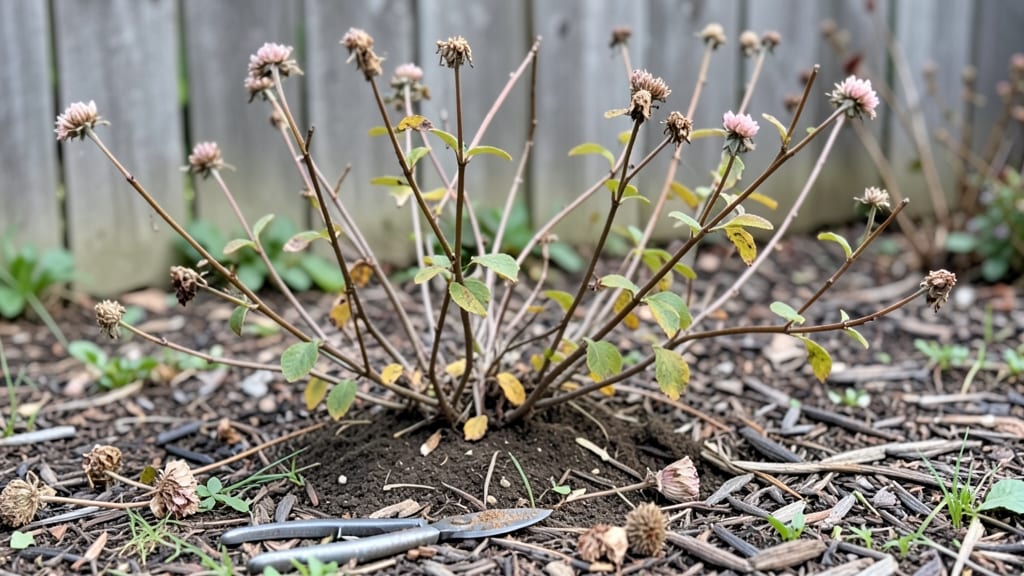
Pruning spirea shrubs keeps them blooming like crazy all season—just three cuts make the difference. 🌿 I learned the hard way that skipping this simple step leads to leggy, sparse bushes that barely put on flowers. The secret is timing and technique, not brute force with the shears.
You only need a few basic tools: sharp bypass pruners for clean cuts, gloves to protect your hands, and maybe a small ladder if your spirea is taller than you.
The best time to prune is right after they finish blooming in early summer—this encourages fresh growth that flowers again before winter. Rejuvenation pruning in late winter works too, but it takes patience for the plant to bounce back.
Start by removing any dead or diseased branches first—those are the easiest cuts. Then shape the shrub by trimming back about a third of the oldest growth to encourage new shoots.
The final step is light deadheading of spent blooms to keep the plant focused on producing more flowers. Within weeks, you’ll see fresh green growth pushing out from the center.
After pruning, give your spirea a drink of water and a light feeding with balanced fertilizer. Watch for new buds forming along the stems—those are your promise of next season’s blooms.
The key is consistency; once you establish this routine, your spirea will reward you with vibrant color from spring through fall.
📚 In This Guide
- What you need
- Instructions
- Tips and common mistakes
- Wrapping up and next steps
What you need
- ● Pruning shears – Bypass pruners (sharp, clean, and 10-12" long) for small branches.
- ● Loppers – Bypass or anvil type (for thicker branches, 16-24" long).
- ● Pruning saw – Hand saw with fine teeth (for branches ½" or thicker).
- ● Gloves – Heavy-duty, cut-resistant (to protect from thorns and sharp edges).
- ● Disinfectant – 70% isopropyl alcohol or bleach solution (to sterilize tools between cuts).
- ○ Pruning sealant – Optional but helpful (for large cuts to prevent disease).
- ● Trash bags or bucket – For collecting pruned branches.
- ● Ladder or step stool – If your spirea is tall or hard to reach.
- ● Sharpie or marker – To label branches if needed for identification.
- ● Hand pruners with ratcheting mechanism – For easier cutting on thicker branches.
- ● Extension pole pruners – For high-reaching branches without a ladder.
- ● Garden hose or spray bottle – To clean tools mid-pruning.
- ● Pruning guide or ruler – To ensure clean, angled cuts.
- ● Safety glasses – If working with very thorny varieties.
How to prune spirea shrubs for lush, year-round growth
Here’s the straightforward method I’ve used for years to keep spirea blooming like clockwork.
✂️ Step 1: Late Winter Cleanup (Before New Growth Starts)
Grab your pruners and focus on removing any dead, diseased, or crossing branches first. I like to work in late winter (just as buds begin to swell) because spirea blooms on old wood—meaning last year’s growth produces this year’s flowers. Cut back any dead stems all the way to the base, and remove branches that rub against each other to prevent future damage.
Make your cuts at a 45-degree angle just above an outward-facing bud. This encourages new growth to sprout in the right direction. If you’re unsure which buds are facing outward, run your thumb along the stem—buds on the side that feels smoother are the ones to target. This step keeps your shrub healthy and prevents overcrowding.
✂️ Step 2: Light Summer Pruning (After First Bloom)
Once your spirea finishes its first flush of blooms (usually mid-to-late summer), it’s time for a second round of pruning. This is where you shape the shrub and encourage a second bloom cycle. I trim back about one-third of the oldest stems to the ground—these are the ones that flowered first and are now done for the season. Cutting them back stimulates fresh growth that will often produce a second round of flowers.
For a fuller look, thin out the center of the shrub by removing a few branches from the middle. This improves airflow and sunlight penetration, which reduces disease risk. Avoid heavy pruning now—just a light touch keeps the shrub compact and flowering well into fall. If you’re unsure which stems to cut, pick the thinnest ones in the center first.
✂️ Step 3: Final Touch-Up (Late Fall or Early Winter)
In late fall or early winter, give your spirea one last look for any stray branches that need tidying. Remove any remaining dead or weak growth, and trim back any stems that look leggy or overgrown. This keeps the shrub neat and prepares it for dormancy. I also like to rake up any fallen leaves or debris around the base—this prevents pests and diseases from hiding over winter.
If your spirea has gotten too large, you can do a rejuvenation pruning by cutting back one-third of the oldest stems to the ground in early spring. This encourages a fresh flush of new growth and keeps the shrub youthful. Just don’t overdo it—spirea is resilient, but it won’t bounce back from drastic cuts. A little patience goes a long way.
Tips & tricks for perfect spirea shrub pruning
These simple tricks will help you keep your spirea looking its best with minimal effort.
Timing is Everything: Late winter is the absolute best time to tackle Step 1 because spirea blooms on old wood. If you prune too early, you risk cutting off next year's flower buds before they even form. I wait until just as the buds begin to swell—this is your cue that the shrub is ready. For Step 2 in summer, wait until after the first flush of blooms has completely faded before pruning to encourage that second bloom cycle.
Cutting Technique Matters: That 45-degree angle in Step 1 isn't just for looks—it helps water run off the cut and prevents rot. I like to make my cuts just above an outward-facing bud to direct new growth where you want it. Pro tip: If you're unsure about bud direction, run your thumb along the stem—the smoother side has the buds you want to target. This simple technique makes all the difference in shaping your shrub beautifully.
Light Summer Pruning: In Step 2, focus on removing only one-third of the oldest stems to the ground. These are the ones that flowered first and are now done for the season. Cutting them back stimulates fresh growth that often produces a second round of flowers. For a fuller look, thin out just a few branches from the center—this improves airflow and sunlight penetration, which keeps your spirea healthy and flowering well into fall.
Rejuvenation Pruning: If your spirea has gotten too large, you can do a rejuvenation pruning in early spring by cutting back one-third of the oldest stems to the ground. This encourages a fresh flush of new growth and keeps the shrub youthful. Just remember—spirea is resilient, but it won't bounce back from drastic cuts. A little patience goes a long way, and you'll see amazing results with just a few strategic cuts.
Pro Tips for Spirea Shrub Pruning
- These simple tricks will help you keep your spirea looking its best with minimal effort.
- Timing is Everything: Late winter is the absolute best time to tackle Step 1 because spirea blooms on old wood.
- Cutting Technique Matters: That 45-degree angle in Step 1 isn't just for looks—it helps water run off the cut and prevents rot.
Frequently asked questions
Got questions about spirea shrub pruning?
You’re not alone! Here are answers to the most common concerns—so you can keep your spirea blooming beautifully year after year.
When is the best time to prune spirea?
The ideal time depends on your spirea type! For spring-blooming varieties (like Spiraea japonica), prune right after flowering (late spring/early summer) to encourage fresh blooms. For summer-blooming types (like Spiraea arguta), prune in early spring before new growth starts. Avoid heavy pruning in fall—it can leave stems vulnerable to winter damage.
Can I prune spirea in winter?
Light deadheading (removing spent blooms) is fine in winter, but avoid heavy pruning. Cold weather stresses shrubs, and pruning stimulates new growth—growth that won’t survive frost. If you must prune, wait until late winter (just before buds swell) for minimal risk. Focus on removing dead or crossing branches instead.
How much can I cut back my spirea?
Most spireas tolerate 1/3 of their height removed at a time, but avoid over-pruning. For rejuvenation, you can cut back older stems to the ground (especially if the center is woody), but do this gradually over 2–3 years. Young spireas need minimal pruning—just shape lightly to encourage bushiness.
My spirea has brown, crunchy stems—what’s wrong?
Crunchy, brown stems are often a sign of dieback (common in winter damage or disease). Prune these stems back to healthy green wood (just above a leaf bud or outward-facing branch). Sterilize your tools with rubbing alcohol to prevent spreading fungal issues. If dieback is severe, your spirea may need a rejuvenation prune in early spring.
What if I skip pruning entirely?
Spireas are forgiving, but skipping pruning can lead to overcrowded centers, fewer blooms, and a leggy shape. Without regular cuts, dead branches may persist, and the shrub can become less vibrant. Even a light annual trim (removing dead wood and shaping) keeps spireas healthy and lush for years!
Wrapping up and next steps
Pruning your spirea shrub doesn’t have to be intimidating—just follow those three simple cuts (early spring, post-bloom, and late summer) to keep it thriving year-round! 🌿 With the right tools and timing, you’ll encourage lush growth, vibrant blooms, and a tidy shape that’s the envy of the neighborhood.
Now that you’re armed with the know-how, grab those shears and give your spirea the care it deserves—your garden (and future self) will thank you!
Next step: Mark your calendar for spring and late summer, then watch your spirea flourish like never before!