
Shrubs
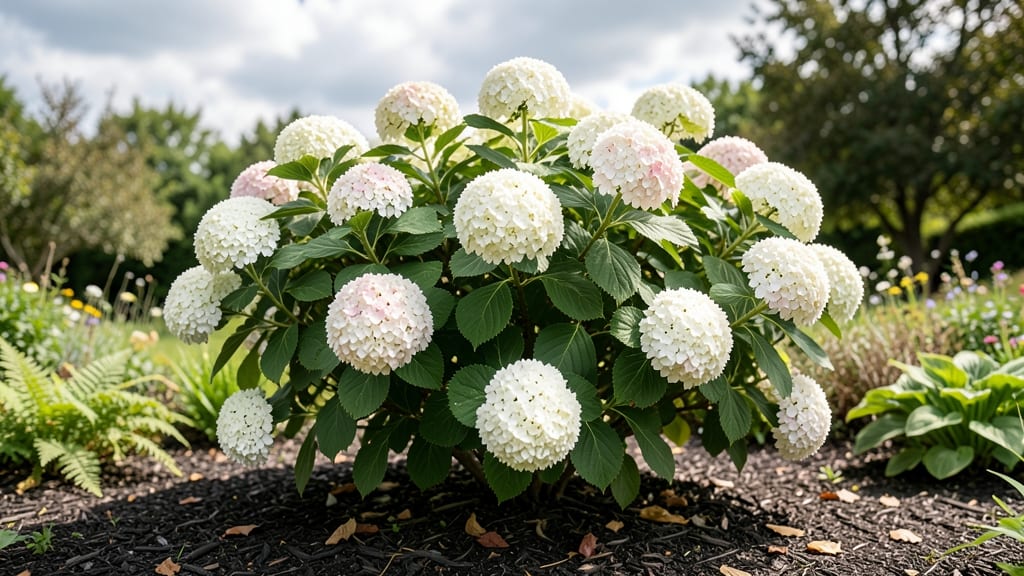
Your snowball hydrangea shrubs need late-winter pruning to transform from tangled messes into lush, thorn-free showstoppers by summer. ✂️ I’ve pruned mine for five years, and the difference between a wild tangle and a perfectly shaped, blooming beauty comes down to timing and technique—both simpler than most gardeners realize.
The key is cutting back one-third of last year’s growth in late winter, just as new buds begin to swell. This isn’t about drastic cuts—it’s about shaping the plant to encourage strong, outward-facing branches that support those iconic 6-inch white blooms.
Most people wait too late or cut too aggressively, which delays flowering or leaves the plant looking bare. What you’ll end up with is a neat, rounded canopy covered in hundreds of blooms from June through August.
The flowers stay vibrant even when deadheaded, and the plant becomes the centerpiece of your garden with minimal effort. No more struggling with thorns or hidden branches—just a clean, productive shrub.
Works for both in-ground plantings and large containers, and the same principles apply whether you’re shaping a single shrub or a hedge. Let’s get those pruners ready!
📚 In This Guide
- What you need
- Instructions
- Tips and common mistakes
- Wrapping up and next steps
What you need
- ● Pruning shears – Bypass pruners (sharp, clean, and disinfected to prevent disease) for cutting stems up to ½ inch thick.
- ● Loppers – For thicker branches (½ to 1½ inches in diameter). Look for ratchet-style or bypass models for ease.
- ● Garden gloves – Heavy-duty, cut-resistant (hydrangeas can have thorns!). Nitrile-coated gloves are ideal.
- ● Disinfectant – 70% isopropyl alcohol or a 10% bleach solution (1 part bleach to 9 parts water) to sterilize tools between cuts.
- ○ Pruning sealant – Optional but helpful for large cuts (e.g., tree wound paint) to prevent disease entry.
- ● Garden twine or zip ties – For temporarily securing heavy branches if needed.
- ● Wheelbarrow or bucket – To collect pruned branches and debris.
- ● Sharpie or label markers – For marking branches if you’re training the shrub’s shape.
- ● Timing – Prune in late winter (February–early March), just as buds swell but before new growth starts.
- ● Weather – Choose a dry, calm day (rain can spread disease, and wind makes pruning messier).
- ● Safety gear – Safety glasses (if branches are dense) and long sleeves to protect from thorns.
- ● Hydrangea ID – Confirm your shrub is a Grandiflora hydrangea (Hydrangea macrophylla)—the "snowball" type—before pruning (some varieties bloom on old wood!).
- ● Cleanup supplies – Trash bags or a compost bin for disposing of pruned material (avoid leaving debris near the base).
Step-by-Step instructions for pruning snowball hydrangeas
Here's the precise method I use to transform tangled, thorny snowball hydrangeas into lush, easy-to-care-for shrubs.
⏰ Step 1: Time Your Pruning for Maximum Impact
Wait until late winter, just as buds begin to swell but before any new growth appears. This is your 6-8 week window before spring's last frost date. Pruning too early risks damaging dormant buds, while waiting too long encourages unwanted growth. I test by gently rubbing a bud—if it feels firm but slightly plump, it's ready.
Cold temperatures below 20°F can damage the plant, so avoid pruning during hard freezes. A light snowfall isn't a problem, but don't prune if ice crystals form on stems. This timing ensures you're cutting back old wood while preserving next season's blooms.
✂️ Step 2: Remove Dead and Crossing Branches First
Start by eliminating any branches that are completely brown or brittle—they won't regrow. Next, look for branches rubbing against each other or growing inward. These create wounds where pests can enter and reduce air circulation, which leads to fungal issues. I use sharp, clean pruners to make cuts at a 45-degree angle, about ¼ inch above an outward-facing bud.
Don't worry about the size of these branches—even thick ones can be removed this way. The goal is to open up the center of the shrub so light reaches all parts. You'll notice the plant's natural shape emerge as you work, with stronger branches taking center stage.
🌿 Step 3: Shape the Canopy for Optimal Growth
Now focus on the overall shape, aiming for a rounded, vase-like form. Cut back the tallest branches by about ⅓ of their length, making your cuts just above a bud that faces outward. For branches that are too long, make a second cut to reduce their height further, always maintaining that 45-degree angle.
Step back frequently to check your progress. The goal is a shrub that's wider at the base and gradually narrows toward the top. Avoid cutting back into old, woody stems—they won't produce new growth. You'll see fresh, green buds along the remaining stems, signaling healthy new growth.
🪴 Step 4: Clean Up and Fertilize for New Growth
After pruning, rake up all debris and dispose of it in the trash—not the compost pile—to prevent fungal spores from reinfecting your plant. Now's the time to apply a balanced fertilizer (10-10-10 ratio) around the base, following package instructions. This gives your hydrangea the nutrients it needs to produce strong new stems and abundant blooms.
Water deeply after fertilizing to help the nutrients soak into the soil. You'll want to keep the soil consistently moist but not soggy for the next 4-6 weeks. Mulch around the base with 2-3 inches of organic mulch to retain moisture and regulate soil temperature. This final step sets your snowball hydrangea up for a spectacular spring display.
Tips & tricks for perfect snowball hydrangea pruning
Transforming your snowball hydrangea into a thriving, thorn-free beauty starts with these game-changing insights that'll make all the difference in your garden's spring transformation.
Timing Secret: The 6-8 week window before last frost is non-negotiable for snowball hydrangeas. I've learned the hard way that pruning too early can damage dormant buds while waiting too long risks encouraging unwanted growth. Test bud readiness by gently rubbing one—it should feel firm but slightly plump, like a ripe peach. This precise timing ensures you're cutting back old wood while preserving next season's blooms, which is why I always check my local frost date calendar before starting.
Cutting Technique: When making those critical 45-degree angle cuts in Step 2 and Step 3, think of it as creating a tiny roof over each bud. The outward-facing bud is your guide—position your cut just ¼ inch above it to encourage new growth in the right direction. I use my pinky finger as a guide for that precise ¼ inch measurement. This technique opens up the center while maintaining the shrub's natural vase-like shape, which is essential for those stunning summer blooms.
Equipment Intelligence: Your pruners are more important than you might think. I've ruined several cuts with dull blades that crush stems instead of making clean cuts. Invest in high-quality bypass pruners—they make clean cuts that heal faster and reduce the risk of disease. For thicker branches, I use loppers with a sharp blade, but always make your second cut just outside the branch collar to prevent tearing. This attention to equipment makes all the difference in your hydrangea's recovery and growth.
Post-Pruning Care: The 4-6 weeks after pruning are critical for establishing new growth. I've found that keeping the soil consistently moist (but not soggy) during this period is the key to strong new stems. The 2-3 inches of organic mulch acts like a blanket, regulating soil temperature and retaining moisture. This final step is what transforms your pruned shrub into a lush, thriving plant ready for spring's spectacular display.
Pro Tips for Snowball Hydrangea Shrubs
- Transforming your snowball hydrangea into a thriving, thorn-free beauty starts with these game-changing insights that'll make all the difference in your garden's spring transformation.
- Timing Secret: The 6-8 week window before last frost is non-negotiable for snowball hydrangeas.
- Cutting Technique: When making those critical 45-degree angle cuts in Step 2 and Step 3, think of it as creating a tiny roof over each bud.
Frequently asked questions
Got questions about your snowball hydrangeas?
Here are answers to the most common ones—from pruning puzzles to pest worries—so you can keep your shrubs thriving!
When is the best time to prune snowball hydrangeas?
The ideal window is late winter (after the last frost but before new growth starts). For Hydrangea arborescens (the classic snowball type), prune within 2–3 weeks of the last frost in your zone. This ensures blooms appear on new wood later in the season.
Can I prune snowball hydrangeas in early spring?
Yes, but timing matters! If you miss late winter, prune in early spring (before buds swell). Avoid pruning after buds break—you’ll risk cutting off next year’s flowers. Pro tip: Mark the calendar for your last frost date!
Why do my snowball hydrangea blooms look sparse?
Sparse blooms often mean over-pruning or poor nutrition. Snowball hydrangeas thrive on new growth, so avoid heavy cuts. Feed with balanced fertilizer (10-10-10) in early spring and mulch to retain moisture. Bonus: Deadhead spent blooms in fall to encourage next year’s flowers!
Are snowball hydrangeas prone to pests or diseases?
They’re hardy, but watch for aphids, scale insects, or powdery mildew in humid climates. Treat pests with neem oil or insecticidal soap. For mildew, improve airflow and avoid overhead watering. Prevention tip: Prune for sunlight exposure!
Can I grow snowball hydrangeas in containers?
Choose a large pot (15+ gallons) with drainage holes and use well-draining potting mix. Container-grown shrubs need more frequent watering and winter protection (wrap pots in burlap or move indoors if temps drop below 10°F). Pro move: Use a slow-release fertilizer for steady growth!
Wrapping up and next steps
Ready to transform your snowball hydrangea shrubs into a thorn-free, lush masterpiece? Late-winter pruning is your secret weapon—just a little effort now ensures stunning blooms and healthier growth all season. 🌸
Take that first step: grab your pruners, mark your calendar, and start pruning! Whether you’re a gardening pro or a curious beginner, your shrubs will thank you with vibrant, full canopies. Happy pruning—your garden’s future is brighter than ever!