
Shrubs
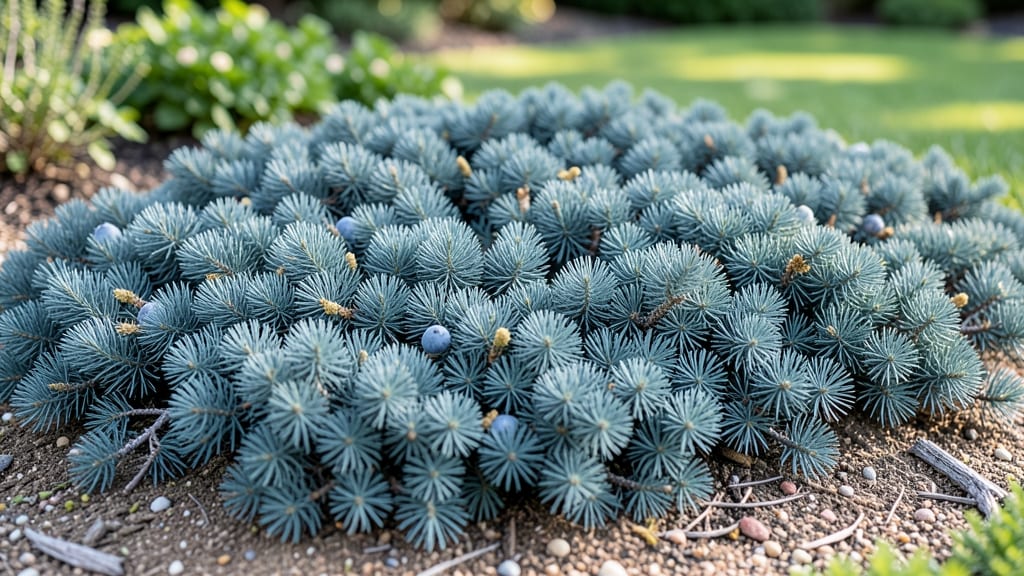
Small conifer shrubs bring year-round structure to gardens with almost no effort. 🌲 I’ve used them to create natural privacy screens, define garden edges, and add texture to modern landscapes—all while keeping maintenance to a minimum.
Their evergreen foliage stays vibrant through winter, and many varieties grow just 3–6 feet tall, making them perfect for tight spaces. These shrubs thrive in full sun to partial shade and tolerate poor soil, which means they fit almost anywhere.
Pair them with flowering perennials for seasonal color contrasts, or plant them in odd-number groupings for a polished, natural look. My go-to varieties include Emerald Green Arborvitae for dense hedges and Dwarf Alberta Spruce for delicate, mounding shapes.
You’ll love how they soften hard lines in formal gardens or blend seamlessly into cottage-style borders. Once established, they rarely need pruning—just an occasional trim to shape them. The best part? They block noise, reduce wind, and provide wildlife habitat without demanding constant attention.
Whether you’re lining a pathway, framing a patio, or adding height to a flower bed, these shrubs deliver low-maintenance beauty that lasts. Let’s explore the best varieties for your climate and design style!
📚 In This Guide
- What you need
- Instructions
- Tips and common mistakes
- Wrapping up and next steps
What you need
- ● Small conifer shrubs: Choose 3–5 mature plants (1–3 ft tall) per section, depending on desired density. Popular varieties include Juniperus horizontalis (creeping juniper), Thuja occidentalis ‘Smaragd’ (smaragd thuja), or Picea pungens ‘Glauca Globosa’ (blue globe spruce).
- ● High-quality potting soil: 2–3 bags (18–25 lbs each) of well-draining, acidic soil mix (pH 5.0–6.5). Avoid garden soil—it compacts too easily!
- ● Organic mulch: 1–2 bags (2–3 cu. ft each) of pine bark or wood chips to retain moisture and suppress weeds.
- ● Slow-release fertilizer: 1–2 lbs of 10-10-10 or 14-14-14 formula for balanced nutrition.
- ● Garden gloves: 1 pair (waterproof, heavy-duty) to protect hands from prickly branches.
- ● Hand trowel or spade: 1–2 units for digging holes (6–12 inches deep).
- ● Pruners: 1 pair of sharp, bypass pruners for clean cuts (sterilize with rubbing alcohol between plants!).
- ● Measuring tape: 1 (for spacing plants 2–4 ft apart, depending on variety).
- ● Watering can or hose with nozzle: 1–2 gallons capacity for gentle watering.
- ○ Optional (but helpful): Soil pH test kit (to confirm acidity levels).
- ● Plant stakes or labels (for tracking varieties).
- ● Anti-desiccant spray (for newly planted shrubs in dry climates).
- ● Location scouting: Pick a spot with full sun to partial shade (6+ hours of sunlight for most conifers). Avoid low-lying areas prone to frost pockets.
- ● Drainage check: Ensure the soil drains well—conifers hate soggy roots! Test by digging a 12-inch hole and filling it with water; if it drains in <30 minutes, you’re good.
- ● Timing: Plant in early spring or fall when temperatures are mild (avoid extreme heat or frost).
How to plant and maintain small conifer shrubs for year-round privacy
These evergreen beauties deliver lush, low-maintenance privacy without the upkeep of larger trees.
🌱 Step 1: Select the Right Location and Planting Time
Conifers thrive in full sun to partial shade—aim for 6+ hours of direct sunlight daily for the best growth. I always plant mine in early spring or fall when temperatures are mild (50-70°F), reducing transplant shock. Dig holes twice as wide as the root ball but only as deep—conifers hate being buried too deeply, which can suffocate roots.
Test your soil's drainage by digging a hole and filling it with water. If it drains in under 30 minutes, the site is perfect. Poor drainage leads to root rot—something I learned the hard way with my first batch of junipers. Amend heavy clay with sand or grit if needed, but avoid over-amending—conifers prefer lean soil.
🪴 Step 2: Prepare the Planting Site and Transplant
Loosen the soil in the planting hole with a garden fork, breaking up any compacted layers. Remove the conifer from its container and gently tease apart the roots if they're circling—this encourages outward growth. Place the shrub in the hole so the top of the root ball sits level with the surrounding soil. Press the soil firmly around the base to eliminate air pockets, but don’t compact it.
Water deeply right after planting to settle the soil and eliminate air gaps. You’ll know it’s done correctly when the soil surface looks slightly firm and moisture is evenly distributed. Mulch with 2-3 inches of organic mulch (like pine straw or shredded bark) to retain moisture and suppress weeds, but keep the mulch 6 inches away from the trunk to prevent rot.
☀️ Step 3: Establish Watering and Light Routines
Water newly planted conifers deeply once a week for the first month, ensuring the soil stays evenly moist but not soggy. After that, reduce to every 10-14 days unless your area experiences extreme heat or drought. Overwatering is the fastest way to kill conifers—always check the soil 2 inches deep before watering; if it’s dry, it’s time.
Conifers are tough once established, but young plants need consistent moisture to develop strong roots. If your shrubs start dropping needles, it’s often a sign of underwatering or overwatering—both extremes stress them. A good rule of thumb: water when the needles look dull rather than vibrant green.
✂️ Step 4: Prune for Shape and Health
Conifers rarely need heavy pruning, but I like to shape them lightly in early spring before new growth begins. Use clean, sharp pruners to trim back any dead, diseased, or crossing branches at the base of the branch collar. Avoid cutting into old wood—conifers heal slowly, and severe pruning can stunt growth.
For a more formal look, I shear the tips of fast-growing varieties (like 'Emerald Green' arborvitae) with hedge shears in late spring or early summer. Never prune more than one-third of the plant’s foliage at a time, or you’ll shock the shrub. Always sterilize your tools with rubbing alcohol between cuts to prevent spreading disease.
⏰ Step 5: Monitor for Pests and Seasonal Care
Check your conifers monthly for spider mites, bagworms, or aphids—common pests that drain sap and weaken plants. I spray with neem oil at the first sign of infestation, repeating every 7-10 days until the pests are gone. Avoid chemical pesticides, which can harm beneficial insects and the shrub’s delicate needles.
In winter, conifers need extra protection from drying winds. I wrap young plants in burlap or use an anti-desiccant spray to prevent needle browning. Mature shrubs usually handle winter well, but a light mulch layer (2 inches) helps retain soil moisture during dry spells. Fertilize in early spring with a slow-release, balanced fertilizer (10-10-10) to encourage steady growth.
Tips & tricks for perfect small conifer shrubs
These evergreen plants thrive with the right care—and avoiding common mistakes makes all the difference.
Site Selection: The 6+ hours of sunlight requirement is non-negotiable for healthy growth, but don't overlook wind exposure. Planting in sheltered spots prevents needle browning, especially for delicate varieties like Thuja occidentalis. I always scout locations during windy days to identify protected areas—this simple step prevents winter damage that can take years to recover from.
Root Ball Placement: That level soil line at the top of the root ball in Step 2 is critical—burying too deep suffocates roots while planting too shallow exposes them. I use a small wooden stake to mark the original soil level before removing the plant from its container. This visual reference ensures perfect placement every time.
Watering Wisdom: The first month's weekly watering is about establishing roots, not keeping soil soggy. I test moisture by pushing a finger 2 inches deep—if it feels dry, water thoroughly until it runs out the bottom of the hole. Overwatering kills conifers faster than underwatering, so always let the top inch dry between sessions.
Pruning Precision: When shaping in early spring, focus on removing only dead or crossing branches—never more than one-third of foliage at once. I use a sterilized pruner to make clean cuts at the branch collar, which prevents disease entry points. For shearing formal varieties, I work in layers to avoid creating bald spots that take years to regrow.
Pro Tips for Small Conifer Shrubs
- These evergreen plants thrive with the right care—and avoiding common mistakes makes all the difference.
- Site Selection: The 6+ hours of sunlight requirement is non-negotiable for healthy growth, but don't overlook wind ex...
- Root Ball Placement: That level soil line at the top of the root ball in Step 2 is critical—burying too deep suffocat...
Frequently asked questions
Got questions about small conifer shrubs?
You’re not alone! Here are answers to the most common ones—so you can pick the perfect evergreen for your space with confidence.
What are the best small conifer shrubs for full sun exposure?
Top picks for full sun include Juniperus horizontalis (creeping juniper), Thuja occidentalis ‘Sunkist’ (golden arborvitae), and Picea pungens ‘Glauca Globosa’ (blue globe spruce). These thrive in 6+ hours of direct sunlight daily and add vibrant color to sunny spots.
Can small conifer shrubs survive harsh winters?
Most small conifers are cold-hardy, but choose species based on your USDA zone. Pinus mugo (mugo pine) and Chamaecyparis lawsoniana (lawson cypress) handle zones 3–7, while Juniperus chinensis prefers zones 5–9. Mulch around the base to protect roots from freeze-thaw cycles.
How fast do small conifer shrubs grow?
Growth rates vary: Thuja occidentalis grows 6–12 inches per year, while Juniperus sabina ‘Tamariscifolia’ (savina juniper) grows just 3–6 inches. For quick privacy, opt for faster growers like Cupressus arizonica ‘Glauca’ (12–24 inches/year) and plan for 3–5 years to fill a space.
What’s the best alternative if I need evergreen privacy but have limited space?
Try Ilex crenata ‘Green Lustre’ (holly) or Buxus sempervirens ‘Green Velvet’ (boxwood) for dense, low-maintenance options. For a conifer twist, Microbiota decussata (Russian orange) grows only 1–2 feet tall but spreads beautifully—ideal for ground cover or small hedges.
Why are my small conifer shrubs losing needles? How do I fix it?
Needle drop is often normal in spring, but brown, crispy needles signal stress. Check for overwatering (root rot), underwatering (drought), or pests (spider mites, bagworms). Prune dead branches, improve drainage, and spray neem oil if pests are the culprit.
Wrapping up and next steps
Small conifer shrubs are a game-changer for anyone craving year-round privacy and beauty without the fuss. 🌲 Whether you’re filling a tight space, softening a fence, or adding texture to your landscape, these low-maintenance stars deliver easy elegance and resilience.
Ready to transform your outdoor space? Start by sketching your layout, selecting the perfect varieties for your climate, and planting with confidence—your future self (and neighbors!) will thank you.