
Shrubs
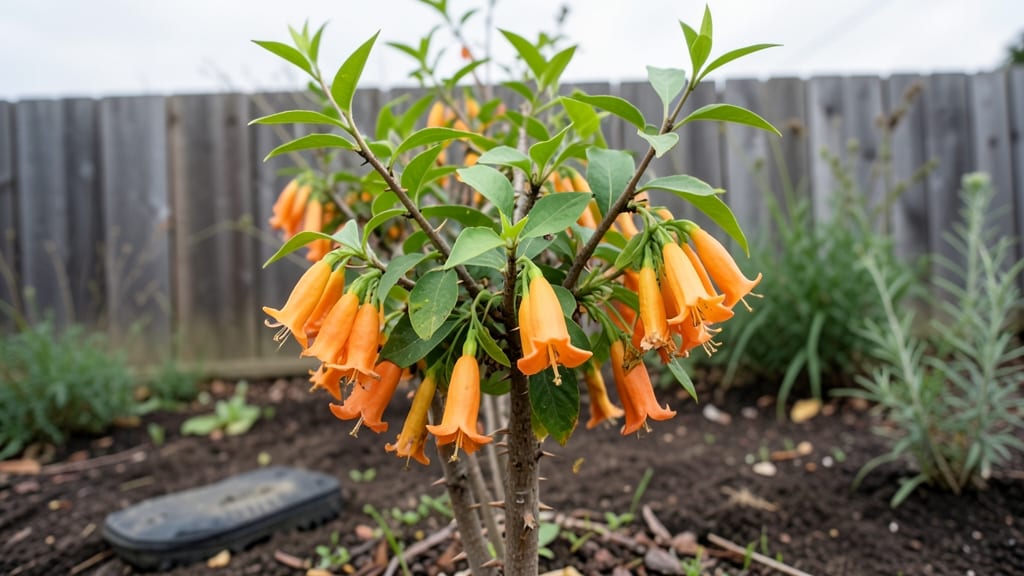
The shrub with orange bell-shaped flowers that steals spring borders is Abelia × grandiflora—and it’s a game-changer for fragrance and color. 🌸 I planted mine three years ago after killing a dozen other shrubs from overwatering, and this one thrives with almost no fuss.
The blooms arrive in late spring, but the real magic is how they linger into fall, paired with tiny white flowers that smell like honey.
This shrub loves full sun to partial shade and handles drought better than most, making it perfect for low-maintenance borders. Pair it with salvia, lavender, or Russian sage for a pollinator magnet, or tuck it near patios where you’ll brush against those fragrant stems.
Mine stays compact at 3–4 feet tall, so it fits neatly in small spaces without overwhelming the garden.
By midsummer, you’ll have a shrub that’s bursting with color and scent, even when other spring bloomers fade. The foliage turns a soft bronze in fall, adding seasonal interest, and the stems stay attractive enough to prune lightly in early spring.
It’s the kind of plant that makes neighbors ask, “What’s that?”—and then want one for themselves.
Works equally well in backyard borders, containers, or mixed shrub beds, especially in zones 5–9. Just avoid heavy clay soil, and you’ll have a fragrant, low-fuss star for years. Here’s how to make the most of its natural beauty in your garden.
Why it happens
Those vibrant orange bell-shaped flowers on your shrub aren’t just a happy accident—they’re the result of a perfect storm of natural signals and environmental cues. Understanding why they appear (and sometimes don’t) helps you encourage more of this stunning display year after year.
Let’s break down the science behind the magic.
The most critical trigger for flowering is photoperiod—the length of daylight your shrub experiences. Many bell-shaped orange bloomers (like Forsythia or Weigela) are short-day plants, meaning they respond to decreasing daylight in late winter and early spring. Here’s how it works:
- Daylight sensitivity: As days shorten in autumn, the shrub’s phloem (food-transporting tissue) shifts energy from leaves to buds, priming them for spring blooms.
- Chilling requirement: Some varieties need 600–1,000 hours below 40°F (4°C) to “break dormancy.” Without this, buds may form poorly or not at all.
- Actionable tip: If your region has mild winters, consider artificial chilling (like a cold frame) or choose cold-hardy cultivars like Weigela ‘Wine & Roses’.
💡 Pro Tip: Prune after flowering to avoid cutting off next year’s buds—most orange bell shrubs set buds on old wood.
Temperature isn’t just about chilling—it’s a two-phase process:
| Phase | Temperature Range | What It Does |
|---|---|---|
| Dormancy Break | 32–45°F (0–7°C) | Triggers hormonal shifts that wake up dormant buds. |
| Bloom Induction | 50–65°F (10–18°C) | Encourages rapid cell division in flower buds. |
❄️ Watch Out: If spring arrives too early (e.g., warm spells in winter), buds may swell and then freeze when temperatures drop again. This is called “bud burn”.
Flowering is energy-intensive! Your shrub needs:
- Consistent moisture: Drought stress in late winter/early spring can halt bud development. Aim for 1–1.5 inches of water weekly (more in containers).
- Balanced nutrients:
- Phosphorus (P): Boosts root growth and flower initation (look for a 5-10-10 fertilizer ratio in early spring).
- Potassium (K): Supports stress resilience—critical if your area has hot/dry summers.
- Avoid excess nitrogen (N): Too much = leafy growth, fewer flowers.
- Mulch matters: A 2–3 inch layer of organic mulch (like shredded bark) retains moisture and regulates soil temps.
🌡️ Heatwave Alert: If temps exceed 85°F (29°C) during bloom, flowers may wilting or drop. Provide afternoon shade with lightweight shade cloth if needed.
Timing and technique matter! Poor pruning can remove next year’s flower buds or stress the plant:
- Pruning at the wrong time:
- Before dormancy (late fall/winter): Encourages weak growth that won’t harden off for winter.
- Right after flowering (for spring bloomers): Cuts off old wood buds for next year.
- Over-pruning: Removing more than 1/3 of the shrub reduces energy for reblooming.
- Actionable fix: Prune immediately after flowering (for spring bloomers) or early spring before buds swell (for summer bloomers like Abelia).
✂️ Golden Rule: Always use clean, sharp tools and cut just above a leaf node (the bump where leaves grow).
Quick fixes for blooming shrub
Revitalize your vibrant shrub with these practical, step-by-step solutions to common issues—whether it’s wilted blooms, pests, or poor growth. Each fix is designed to be easy to follow, with prevention tips to keep your orange-bell-flowered beauty thriving year-round.
Cause: Overwatering, underwatering, or heat stress. Solution:
- 💧 Check the soil moisture by sticking your finger 1–2 inches deep. If dry, water deeply until it drains from the bottom. If soggy, hold off and improve drainage.
- 🌡️ Provide afternoon shade during extreme heat (100°F+). Use a light shade cloth or move potted shrubs to a cooler spot.
- 🍂 Trim damaged blooms with clean pruners to encourage new growth. Cut just above a leaf node at a 45° angle.
Prevention Tips: ✔ Water at the base (not overhead) to avoid fungal issues. ✔ Mulch with 2–3 inches of organic matter (like shredded bark) to retain moisture. ✔ Monitor weather forecasts and adjust care during heatwaves.
Cause: Aphids, spider mites, or caterpillars feasting on leaves/blooms. Solution:
- 🚿 Blast pests off with a strong spray of water (early morning works best).
- 🍋 Spray a homemade remedy: Mix 1 tsp mild dish soap + 1 quart water in a spray bottle. Test on a small leaf first.
- 🐛 Introduce beneficial insects: Ladybugs or lacewings devour pests naturally (available at garden centers).
- 🪒 For severe infestations, use neem oil (follow package instructions for dilution).
Prevention Tips: ✔ Inspect leaves weekly for early signs (sticky residue = aphids; fine webbing = mites). ✔ Encourage biodiversity—plant companion flowers (like marigolds) to repel pests. ✔ Remove fallen leaves/debris where pests hide.
Cause: Poor soil, nutrient deficiencies, or root issues. Solution:
- 🌱 Test your soil (kits are affordable at garden stores). Amend with compost or a balanced fertilizer (10-10-10) if lacking nutrients.
- 💡 Feed with organic matter: Work in 1–2 inches of compost or aged manure around the base (avoid touching the stem).
- 🚰 Check for root rot: If soil smells foul or roots are mushy, repot in fresh, well-draining soil.
Prevention Tips: ✔ Fertilize in early spring (before blooming season) and again mid-summer. ✔ Choose the right pot: Ensure containers have drainage holes to prevent waterlogging. ✔ Rotate potted shrubs every few weeks for even sunlight exposure.
Cause: Lack of pruning, too much shade, or excessive nitrogen. Solution:
- 🔪 Prune in late winter/early spring (before new growth starts):
- Remove dead or crossing branches first.
- Cut back overly long stems by ⅓ to encourage bushier growth.
- Shape lightly with hand pruners for a natural look.
- 🌞 Ensure 6+ hours of sunlight daily. Trim nearby trees/shrubs blocking light.
Prevention Tips: ✔ Prune regularly (2–3 times a year) to maintain shape and airflow. ✔ Avoid heavy nitrogen fertilizers—they promote leafy growth over blooms. ✔ Use sharp tools to prevent tearing, which invites disease.
Pro Tip: 💡 For all fixes, work in the early morning or late afternoon to reduce stress on the plant. And always wear gloves—some shrubs (like butterfly bush) can irritate skin!
Frequently asked questions
What are the best companion plants for a shrub with orange bell-shaped flowers?
Pair your shrub with lavender, salvia, or Russian sage to create a pollinator-friendly border. These plants complement the bright blooms while attracting bees and butterflies. For height contrast, try purple coneflower or black-eyed Susan. If you want fragrant foliage nearby, rosemary or thyme work beautifully in containers or along pathways.
Can this type of shrub grow in containers?
Yes! Many orange bell-flowered shrubs thrive in containers, especially Abelia or Weigela. Choose a pot with drainage holes and use well-draining soil mixed with perlite. For best results, select a compact variety like Abelia ‘Kaleidoscope’ and repot every 2–3 years to refresh the soil. Place containers in full sun to partial shade and water when the top inch of soil feels dry.
Why aren’t my orange bell flowers blooming this year?
Lack of blooms often stems from over-pruning (cutting old wood buds), excess nitrogen (promotes leaves over flowers), or insufficient sunlight (needs 6+ hours daily). Check if your shrub got enough winter chilling hours (600–1,000 hours below 40°F). If growing in mild climates, try moving it to a cooler spot or using a cold frame. Lightly fertilize with a low-nitrogen, high-phosphorus formula in early spring to encourage blooming.
Are orange bell-flowered shrubs deer-resistant?
Some varieties like Abelia or Forsythia are moderately deer-resistant, but they’re not completely immune. Deer may nibble if other food is scarce. To deter them, plant deer-repellent perennials like Lantana or Boxwood nearby, or apply organic deer repellent sprays. Physical barriers (like fencing) work best for high-risk areas. Choose Abelia ‘Sunset’—its fragrant foliage often deters browsers.
How do I propagate this shrub from cuttings?
Take 4–6 inch semi-hardwood cuttings in late spring or early summer. Remove lower leaves, dip the cut end in rooting hormone, and plant in a mix of perlite and peat moss. Keep the soil moist and place in bright, indirect light (avoid direct sun). Roots typically form in 4–8 weeks. Transplant once new growth appears. For best results, use a humidity dome or plastic bag to retain moisture.