
Shrubs
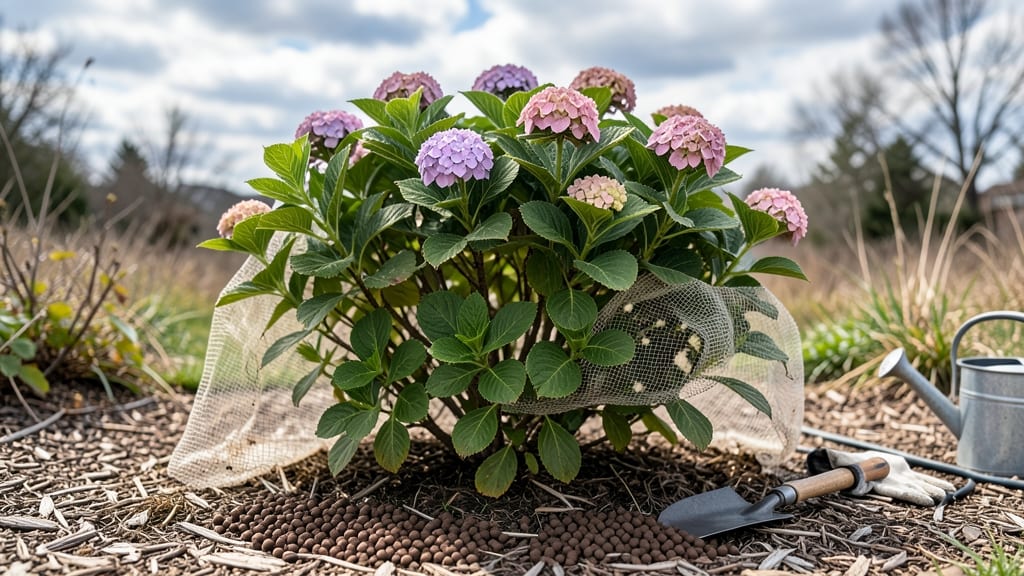
Shrub care, protect, and feed isn’t just seasonal—it’s the year-round secret to that shockingly lush, neighbor-jealousy-inducing foliage. 🌿 I learned the hard way that skipping winter mulch or summer pruning leads to weak growth, and now my shrubs thrive through every season with minimal effort. The foundation starts with soil prep: feed with compost in early spring, then top-dress with slow-release fertilizer. Water deeply once a week (more in summer heat) and always check soil moisture before watering—overwatering kills shrubs faster than pests ever could. By late fall, you'll see stronger stems, denser foliage, and plants that bounce back from drought or cold. The pruning schedule becomes second nature, and you'll spend less time fixing problems than admiring healthy growth. Works for foundation plants, hedges, or flowering shrubs alike—just adjust timing for your local frost dates. Let's get those shrubs looking their absolute best.
📚 In This Guide
- What you need
- Instructions
- Tips and common mistakes
- Wrapping up and next steps
What you need
- ● Pruning shears: Bypass pruners (for clean cuts) – 1 pair (sharp, stainless steel blades).
- ● Loppers: For thicker branches – 1 pair (18-24" reach, bypass or anvil type).
- ● Pruning saw: For large limbs – 1 (curved blade, 8-10").
- ● Gloves: Heavy-duty gardening gloves – 1 pair (cut-resistant, breathable).
- ● Disinfectant: Rubbing alcohol (70%+) or bleach solution (1:9 ratio) – small bottle (for tool sterilization).
- ● Fertilizer: Slow-release granular: 10-10-10 or balanced formula – 5-10 lbs (per 100 sq. ft.).
- ● Organic options: Compost, worm castings, or fish emulsion – 2-3 gallons (for soil amendment).
- ● Mulch: Organic (pine bark, shredded leaves) or inorganic (gravel) – 2-3 inches deep (cover base, avoid stems).
- ● Watering can/hose: With adjustable nozzle – 1 (or drip irrigation system for large shrubs).
- ○ Pruning sealant: (Optional) – Small tube (for large cuts > ½ inch).
- ○ Soil test kit: (Optional) – 1 (to check pH/nutrient levels before fertilizing).
- ● Winter protection: Burlap wraps – 2-3 rolls (for tender shrubs).
- ● Anti-desiccant spray – 1 bottle (to prevent winter burn).
- ● Pest control: Neem oil or insecticidal soap – 1 spray bottle (for aphids, mites).
- ● Sticky traps – 2-4 (for monitoring pests).
Step-by-Step guide to protecting and feeding shrubs for year-round health
Here’s how I keep my shrubs thriving through all four seasons—no guesswork, just proven techniques.
🌿 Step 1: Inspect and Prune for Winter Protection
Start in late fall by giving your shrubs a thorough inspection. Look for dead, diseased, or crossing branches—these weaken the plant over time. I use sharp, clean pruners to make cuts just outside the branch collar (the swollen area where the branch meets the trunk). This prevents unsightly stubs and encourages stronger regrowth in spring.
For tender shrubs in cold climates, wrap young or newly planted ones with burlap or frost cloth after pruning. Focus on protecting the crown (where stems meet roots) since this is where most damage occurs. Avoid heavy mulching now—wait until winter sets in to add a 2-3 inch layer of mulch around the base. This keeps roots insulated without suffocating the plant.
🌱 Step 2: Feed with Slow-Release Fertilizer in Early Spring
As soon as the soil warms to 50°F (usually late February to early March), it’s time to feed. I use a balanced, slow-release fertilizer (like 10-10-10) spread evenly over the root zone. Avoid fertilizing if the ground is frozen or waterlogged—roots can’t absorb nutrients properly. For established shrubs, sprinkle about ½ cup per foot of shrub height and gently rake it into the top inch of soil.
Water deeply after applying fertilizer to help it settle into the soil. You’ll notice new growth within 3-4 weeks—that’s your signal everything’s working. If your shrub has yellowing leaves, it might need iron or a soil test to check pH levels before feeding again.
☀️ Step 3: Monitor and Protect Through Growing Season
During spring and summer, keep an eye out for pests like spider mites or scale insects. I treat infestations early with horticultural oil or insecticidal soap, focusing on the undersides of leaves where pests hide. For shrubs in hot, dry climates, water deeply once a week (or more in extreme heat) to encourage deep root growth. Let the top 1-2 inches of soil dry out between waterings—this prevents root rot.
If your shrub looks stressed (wilting, leaf drop), check for overwatering or poor drainage. Some shrubs, like boxwoods, prefer consistently moist soil, while others, like junipers, thrive in drier conditions. Adjust your care based on the specific needs of your plant—this is where most gardeners go wrong.
✂️ Step 4: Light Pruning and Mulching for Fall Prep
In early fall, do a light pruning to remove any dead or overgrown branches. This keeps the shrub’s shape neat and prevents disease buildup over winter. I also top-dress the soil with 2-3 inches of organic mulch, like shredded bark or compost, to replenish nutrients and retain moisture. Keep mulch 3-4 inches away from the trunk to avoid rot.
This is also the time to check for signs of stress, like powdery mildew or leaf spot. If you see issues, treat them now before winter sets in. A healthy shrub going into dormancy will bounce back stronger in spring—think of it like giving your plants a cozy blanket for the cold months.
🪴 Step 5: Winter Care for Tender Shrubs
If you have shrubs sensitive to cold (like camellias or gardenias), protect them with a thick layer of mulch and a windbreak, like a burlap screen or evergreen boughs. I also wrap the stems of young shrubs with tree wrap to prevent sunscald, which happens when winter sun heats the bark too quickly. Avoid heavy pruning in winter—this stresses the plant when it’s already dormant.
Check on your shrubs during thaw cycles in winter. If the ground is soft enough to dig, give them a drink if the weather has been dry. Most shrubs are dormant, but a little moisture helps them recover faster in spring. By following these steps, your shrubs will stay vigorous, healthy, and beautiful year after year.
Tips & tricks for protecting and feeding shrubs year-round
Here's what I've learned after years of keeping my shrubs looking their absolute best through every season.
Pruning Precision: When you're inspecting in Step 1, don't just cut dead branches—look for branches growing toward the center of the shrub. These compete for sunlight and weaken the plant. I make my cuts just outside the branch collar at a 45-degree angle to prevent water from pooling on the wound. This simple technique keeps your shrubs healthier and more vigorous for years to come.
Fertilizer Timing: The 50°F soil temperature in Step 2 is your green light, but don't rush—wait until you can easily push a trowel into the ground about 6 inches deep without resistance. I've made the mistake of fertilizing too early when the soil was still cold, and the nutrients just sat there waiting to be absorbed. The 3-4 week window for new growth gives you a clear signal if something's wrong—if you don't see fresh leaves by then, check your soil pH or consider a different fertilizer blend.
Pest Prevention: In Step 3, I've found that a preventive spray of diluted neem oil (1 tablespoon per quart of water) every 2 weeks during peak growing season keeps spider mites away without harming beneficial insects. The key is to spray in the early morning when pests are less active and the leaves are dry. This proactive approach saves me from dealing with full-blown infestations later in the season.
Mulch Mastery: That 2-3 inch layer in Steps 1 and 4 makes all the difference. I use shredded hardwood mulch because it breaks down slowly and improves soil structure over time. The 3-4 inch clearance from the trunk prevents rot while still protecting roots from temperature swings. Pro tip: Refresh your mulch every fall—don't just pile on new mulch over old. This prevents compaction and allows air and water to reach the roots.
Pro Tips for Shrub Care Protect And Feed
- Here's what I've learned after years of keeping my shrubs looking their absolute best through every season.
- Pruning Precision: When you're inspecting in Step 1, don't just cut dead branches—look for branches growing toward the center of the shrub.
- Fertilizer Timing: The 50°F soil temperature in Step 2 is your green light, but don't rush—wait until you can easily push a trowel into the ground about 6 inches deep without resistance.
Frequently asked questions
Got questions about keeping your shrubs thriving year-round?
Here are answers to the most common concerns—from timing to troubleshooting—so you can protect, feed, and prune with confidence!
When is the best time to prune shrubs for healthy growth?
The ideal time depends on your shrub type! For spring-blooming shrubs (like lilacs or azaleas), prune right after flowering to avoid cutting off next year’s blooms. Summer- or fall-blooming varieties (e.g., hydrangeas, abelia) can be pruned in late winter or early spring before new growth starts. Always avoid heavy pruning in late fall—it stresses plants before winter.
How do I protect shrubs from winter damage?
Start by mulching 2–4 inches of organic mulch (like shredded bark) around the base to insulate roots. For young or tender shrubs, wrap them in burlap or frost cloth and secure with twine. Avoid piling mulch against stems—keep it loose and even. Water deeply before the first freeze to hydrate roots, and prune dead or damaged branches in early spring to encourage fresh growth.
What’s the difference between feeding and fertilizing shrubs?
Feeding is the big picture: it includes fertilizing (adding nutrients like nitrogen, phosphorus, or potassium) and organic matter (compost or aged manure). Fertilizing is just one part of feeding. For shrubs, use a balanced, slow-release fertilizer (like 10-10-10) in early spring and a low-nitrogen option (like 5-10-10) in mid-summer if needed. Over-fertilizing can burn roots!
My shrub leaves are yellowing—what’s wrong?
Yellow leaves usually signal overwatering, underwatering, or nutrient deficiencies. Check the soil: if it’s soggy, reduce watering and improve drainage. If dry, water deeply 1–2 times per week (depending on climate). For nutrient issues, test your soil and amend with compost or a chelated iron supplement (for yellowing between veins). Fungal diseases (like powdery mildew) can also cause yellowing—prune affected areas and apply neem oil if needed.
Can I use coffee grounds or eggshells as fertilizer for shrubs?
Both are excellent organic amendments. Coffee grounds add nitrogen (great for leafy growth) but use them sparingly—mix 1 part grounds with 3 parts soil or compost. Crushed eggshells provide calcium, which strengthens cell walls. Crush them finely and work into the soil in early spring. For best results, combine them with compost for a balanced boost.
Wrapping up and next steps
With the right mix of pruning techniques, nutrient-rich feeding, and seasonal protection, your shrubs can thrive year-round—bursting with lush foliage and vibrant blooms! 🌿✨ Remember, consistency is key: trim strategically, feed thoughtfully, and shield them from harsh elements.
Now that you’re armed with expert tips, grab those shears and get growing—your shrubs (and your green thumb!) will thank you.
Ready to take it further? Start with one shrub this weekend—pick a sunny spot, follow the steps, and watch your garden transform! For extra inspiration, check out our seasonal shrub care calendar to stay on track.