
Shrubs
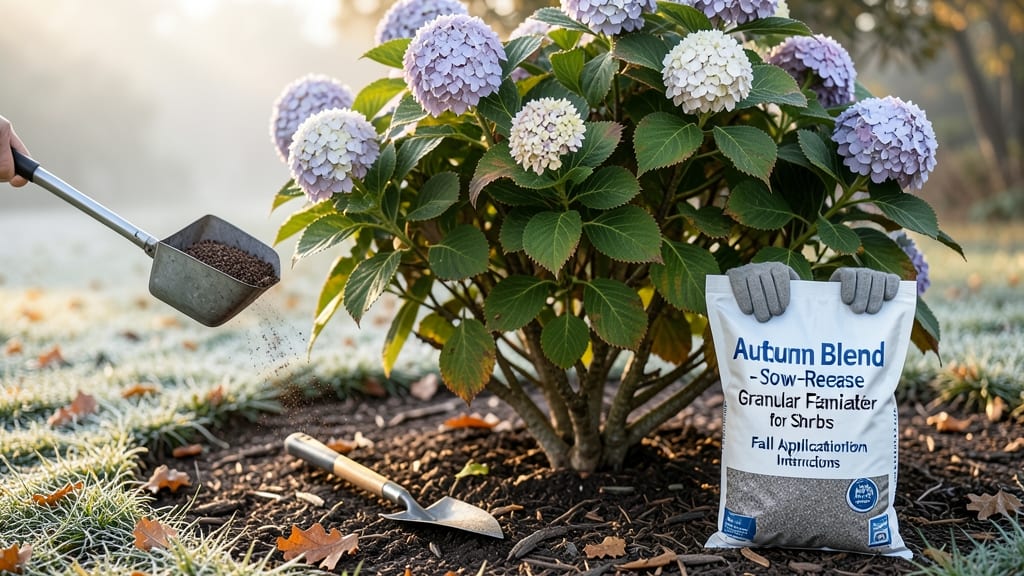
Fertilizing shrubs in the fall is a decision that can make or break their winter resilience—here’s how to get it right.
Fall fertilization is a hotly debated topic among gardeners, and for good reason. Some swear by a late-season boost to strengthen roots before dormancy, while others warn it can trigger weak, frost-sensitive growth.
The truth lies in understanding your shrubs’ needs, your climate, and the right timing—because a single mistake can leave your 🌿 plants vulnerable to cold or pests.
If you’re in USDA Zone 6a or colder, the answer is almost always "no"—unless you’re using a slow-release organic option applied 6-8 weeks before frost. But in milder regions, a light feeding can help prepare shrubs for the coming season.
Below, I’ll break down the risks, the best fertilizers for autumn, and how to avoid common pitfalls that lead to winter damage.
You’ll learn when to skip fertilization entirely, which shrubs benefit from a fall boost (and which don’t), and how to improve soil health instead—so your plants wake up stronger in spring.

Fall fertilization risks: when to avoid feeding shrubs before winter
As the leaves change color and temperatures drop, many gardeners wonder if a late-season fertilizer boost will help their shrubs survive winter. The truth is more nuanced than you might think. While spring and summer feedings are generally safe, fall fertilization can actually harm your plants if done incorrectly.
Understanding the risks—and the rare exceptions—will help you make the right choice for your landscape shrubs.
Most shrubs enter dormancy in late fall, a natural process where growth slows to conserve energy. When you apply fertilizer during this time, you’re essentially telling the plant to "keep growing" when it should be preparing for winter.
This mismatch can lead to tender new growth that won’t harden off before frost, leaving your shrubs vulnerable to cold damage.
Beyond frost risk, late-season fertilization can also attract pests like aphids and spider mites, which thrive on soft, nutrient-rich foliage. Additionally, excess nitrogen in the soil can burn roots or leach into groundwater, creating environmental problems. Even organic fertilizers, if applied too late, can disrupt the plant’s natural cycle.
That said, there are exceptions—particularly for evergreen shrubs in mild climates or those that benefit from a slow-release nutrient boost before winter. The key is timing: aim to fertilize 6-8 weeks before the first expected frost. This gives roots time to absorb nutrients without encouraging late-season growth.
⚠️ When NOT to Fertilize Shrubs in Fall
Avoid feeding shrubs if:
- Temperatures frequently drop below 50°F (most shrubs won’t grow in cooler soil).
- Your region has early or unpredictable frosts (e.g., USDA Zones 3-5).
- You notice new growth already starting (a sign the plant is active).
- Your shrubs are stressed or diseased (fertilizer can worsen issues).
Pro tip: Test soil pH first—fall is a great time to amend acidic or alkaline soil without fertilizing.
If you’re unsure whether your shrubs need fall fertilization, consider their growth habits. Fast-growing shrubs like hydrangeas or azaleas may benefit from a light feeding in early fall, while slow growers like boxwoods or juniper are better off unfertilized.
Always prioritize root health over quick fixes—healthy roots store nutrients naturally for spring.
Instead of traditional fertilizer, focus on soil preparation this fall. Add a 2-3 inch layer of organic mulch (like shredded leaves or pine straw) to insulate roots and improve soil structure.
This mimics nature’s way of protecting plants while slowly releasing nutrients over time. Think of it as a low-maintenance fertilizer that works with your shrubs’ natural cycle.
For shrubs that do tolerate fall feeding, opt for slow-release fertilizers with low nitrogen content (e.g., 5-10-10 or organic options like composted manure). These minimize burn risk and give plants time to absorb nutrients before dormancy. Always water deeply after applying to help nutrients penetrate the soil.
Regional differences matter too. In warmer climates (Zones 8-10), shrubs may stay active later, allowing for a 6-week window before winter. In colder zones (Zones 3-6), stop fertilizing by mid-September to avoid frost damage. Check your local USDA hardiness zone for precise timing.
One common mistake is assuming organic fertilizers are always safe in fall. While they break down slower than synthetics, they can still stimulate growth if applied too late. Stick to soil amendments like compost or worm castings in late fall—they improve soil health without the risks of traditional fertilizers.
To test whether your shrubs need fall fertilization, observe their foliage and growth patterns. Healthy shrubs with dark green leaves and no signs of stress (like yellowing or wilting) don’t need extra nutrients.
If you see pale or sparse growth, a soil test can reveal deficiencies to address in early spring instead.
Remember: the goal of fall care is preparation, not stimulation. Help your shrubs store energy, not grow. By avoiding late-season fertilization and focusing on mulch, watering, and soil health, you’ll set them up for a stronger, more resilient spring.
Your shrubs will thank you with vibrant blooms and lush foliage next year!
Best fall fertilizers for shrubs: slow-release options and soil prep
If you're considering fertilizing shrubs in the fall, timing and product choice matter more than you might think. Slow-release fertilizers are ideal because they provide nutrients gradually, giving roots time to absorb them before dormancy.
Organic options like composted manure or fish emulsion break down slowly, while synthetic slow-release granules offer precise nutrient ratios.
Fall fertilization isn't about feeding new growth—it's about strengthening roots for winter. The key is to apply nutrients 6-8 weeks before the first frost, allowing shrubs to harden off without tender new shoots. Evergreens and broadleaf shrubs respond differently, so adjust timing based on your USDA hardiness zone.
Before applying fertilizer, prepare the soil properly. Start by removing weeds and loosening the top 6 inches of soil around the shrub's drip line. Mix in 2-3 inches of compost or aged manure to improve soil structure and microbial activity.
This step ensures nutrients are readily available when roots need them most.
For slow-release nitrogen, opt for fertilizers with a low phosphorus-to-potassium ratio (e.g., 10-0-10 or 12-0-12). These formulas prioritize root development over foliage growth, which is critical in fall. Water the soil deeply after application to activate the fertilizer and prevent burn.
If your shrubs look stressed or yellowing, a light application of kelp meal or worm castings can provide trace minerals without overstimulating growth. Avoid high-nitrogen fertilizers, as they encourage tender shoots that won’t survive frost.
Remember, soil testing is your best friend. If your soil is already nutrient-rich, skip fall fertilization entirely. Focus instead on mulching with 2-4 inches of organic matter (like shredded leaves or straw) to insulate roots and retain moisture.