
Shrubs
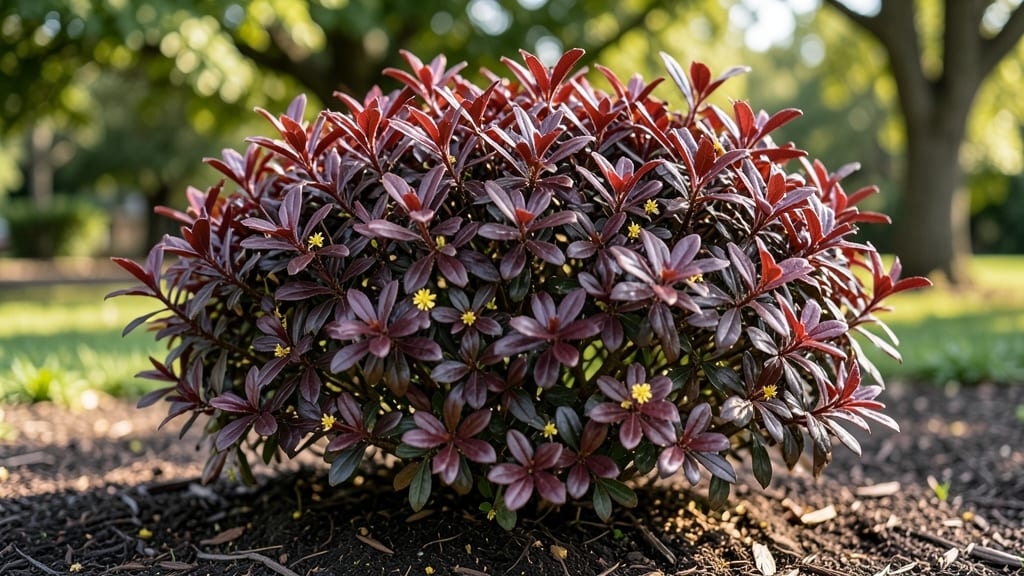
The Royal Burgundy Compact barberry shrub transforms any garden into a jewel-toned masterpiece with its deep burgundy foliage and tight, manageable form. 🌿 I fell for this shrub after seeing how it thrived in my neighbor's yard—nearly indestructible yet stunningly elegant.
Unlike traditional barberries that sprawl, this compact variety stays neatly contained, making it perfect for borders, foundation plantings, or even small urban gardens where space is limited.
Planting is straightforward: choose a spot with 4-6 hours of sunlight and well-draining soil—it tolerates everything from clay to sandy mixes. The real magic happens in its resilience: this shrub resists deer, rabbits, and most diseases, so you won’t spend weekends battling pests or wilting leaves.
Watering is simple too—just keep the soil moist for the first year, then let nature take over.
Pruning is minimal but makes all the difference. A quick trim in late winter or early spring keeps it tidy and encourages fresh, vibrant growth. The burgundy foliage deepens with cooler weather, creating a showstopping winter display that outshines most evergreens.
Plus, its berries add a touch of wildlife-friendly charm without attracting pests.
Whether you're lining a driveway, softening a fence, or adding color to a container, this shrub delivers year-round interest with almost no effort. It’s the kind of plant that makes gardening feel effortless—just plant, admire, and enjoy. Here’s how to keep it thriving for decades.
📚 In This Guide
- What you need
- Instructions
- Tips and common mistakes
- Wrapping up and next steps
What you need
- ● Royal Burgundy Compact Barberry shrubs: 1–3 plants (depending on desired coverage; spacing 3–4 feet apart)
- ● Ensure they’re Berberis thunbergii ‘Royal Burgundy’ (disease-resistant cultivar)
- ● Planting site: Full sun to partial shade (6+ hours of sunlight for best color)
- ● Well-draining soil (amend with compost if needed)
- ● pH range: 6.0–7.5 (slightly acidic to neutral)
- ● Tools: Garden trowel or spade
- ● Pruning shears (sterilized with rubbing alcohol)
- ● Garden hose or watering can
- ● Mulch (2–3 inches of shredded bark or pine needles)
- ● Slow-release fertilizer (balanced 10-10-10 or organic options like compost tea)
- ● Soil amendment: Perlite or sand (for heavy clay soils)
- ● Plant tags or stakes (to mark young shrubs)
- ● Disease prevention spray (copper fungicide, if your area has fungal risks)
- ● Garden gloves (to protect your hands during pruning)
How to plant and maintain Royal Burgundy Compact barberry shrubs
This hardy, low-maintenance shrub thrives with minimal fuss—just follow these steps for vibrant foliage year after year.
🌱 Step 1: Choose the Perfect Planting Location
Royal Burgundy Compact barberries adore full sun to partial shade, with at least 4-6 hours of direct sunlight daily. I always pick a spot with well-draining soil—these shrubs despise soggy roots. Look for areas with 6-8 feet of clearance around them, since they mature into compact but sturdy bushes.
Test your soil by squeezing a handful—if it stays clumped when dry, amend with 2-3 inches of compost to improve drainage. Avoid low spots where water pools after rain. The ideal site balances sun exposure with airflow to prevent fungal issues, which this variety naturally resists.
🪴 Step 2: Dig and Plant with Proper Spacing
Dig a hole twice as wide as the root ball but only as deep as the container. Gently remove the shrub from its pot and loosen any circling roots with your fingers. Place it in the hole so the top of the root ball sits 1 inch below soil level—this prevents stem rot while encouraging strong growth.
Backfill with native soil mixed with 1 part compost to improve fertility. Water deeply to settle the soil, then add a 2-inch layer of mulch around the base, keeping it 3 inches away from the stem. This mulch layer retains moisture while protecting roots from temperature swings.
☀️ Step 3: Water and Establish New Growth
Water your newly planted barberry deeply every 2-3 days for the first 2 weeks until the soil feels damp 3 inches down. After that, reduce to once a week unless your area experiences extreme heat or drought. Overwatering is the biggest mistake—these shrubs thrive with moderate moisture.
You'll know it's taking root when new growth appears in 4-6 weeks. At this stage, I stop fertilizing—Royal Burgundy grows happily in average soil. If leaves appear pale, a light application of balanced 10-10-10 fertilizer in early spring can boost vigor, but it's rarely needed.
✂️ Step 4: Prune for Shape and Health
Prune in late winter or early spring before new growth begins. Remove any dead, damaged, or crossing branches first—cut back to the nearest healthy bud. For shaping, I trim 1/3 of the oldest stems each year to encourage dense foliage and prevent legginess.
Use clean, sharp pruners to make cuts at a 45-degree angle just above a leaf node. Avoid heavy pruning in fall, as new growth won't harden off before winter. The result? A neatly rounded shrub with vibrant burgundy foliage that holds its color all season long.
🌿 Step 5: Enjoy Low-Maintenance Beauty
Once established, Royal Burgundy Compact barberries require almost no care. They tolerate urban pollution, drought, and even deer browsing—making them perfect for busy gardens. Just watch for aphids or spider mites in hot, dry summers and spray with water if needed.
These shrubs thrive for 10+ years with proper planting, making them a wise investment. Their disease resistance and compact size (typically 3-4 feet tall and wide) make them ideal for hedges, borders, or foundation plantings. With minimal effort, you'll have a stunning, low-maintenance addition to your landscape.
Tips & tricks for perfect Royal Burgundy Compact barberry shrubs
Between us, these shrubs are the unsung heroes of low-maintenance landscaping. Here's what nobody tells you about getting the most out of your Royal Burgundy Compact barberries.
Soil Test Tip: The squeeze test for soil drainage is your best friend. If your soil stays clumped when dry, you're dealing with clay—amend with that 2-3 inches of compost as directed, but also consider adding coarse sand or perlite for better aeration. I've seen barberries struggle in heavy clay even with compost, so don't skip this step. The roots need that proper airflow to prevent rot.
Planting Depth Secret: That 1-inch below soil level placement isn't just about preventing stem rot—it's about establishing strong root growth right from the start. When you plant too shallow, the root flare (where roots spread) stays exposed, making the plant vulnerable to temperature swings. Think of it as creating a cozy nest for those roots to settle into.
Watering Wisdom: The 2-3 days of deep watering in Step 3 might feel excessive, but it's crucial. Water should penetrate until damp 3 inches down—this encourages deep root growth rather than shallow, weak roots that dry out quickly. After establishment, that weekly watering keeps things consistent without overdoing it. Remember, these shrubs hate soggy roots more than they hate occasional dry spells.
Pruning Precision: When you're trimming that 1/3 of oldest stems annually, focus on the largest, thickest stems first. These are the ones that have outlived their usefulness and are starting to woodify. Make your cuts at that 45-degree angle just above a leaf node—this helps water run off the cut and prevents disease entry points. I always clean my pruners with rubbing alcohol between cuts to keep them sterile.
Pro Tips for Royal Burgundy Compact Barberry Shrub
- Between us, these shrubs are the unsung heroes of low-maintenance landscaping.
- Soil Test Tip: The squeeze test for soil drainage is your best friend.
- Planting Depth Secret: That 1-inch below soil level placement isn't just about preventing stem rot—it's about establishing strong root growth right from the start.
Frequently asked questions
Got questions about the Royal Burgundy Compact Barberry? You’re not alone! This stunning shrub is a favorite, but it’s smart to know the ins and outs before planting. Here are answers to the most common queries—plus a few pro tips to keep your barberry thriving.
How fast does Royal Burgundy Compact Barberry grow?
The Royal Burgundy Compact Barberry grows at a moderate pace, typically adding 12–18 inches per year. With its compact form (mature size: 3–4 feet tall and wide), it’s perfect for small gardens or as a foundation plant. Prune lightly after flowering to maintain its tidy shape!
Is this shrub cold-hardy, and how do I protect it in winter?
This barberry thrives in USDA Zones 4–8, making it ideal for colder climates. In harsh winters, a light mulch layer (2–3 inches) around the base helps insulate roots. Avoid heavy mulching, which can suffocate the plant—just a cozy blanket does the trick!
Why is it called "disease-resistant," and what pests should I watch for?
Royal Burgundy Compact Barberry is naturally resistant to most fungal diseases (like powdery mildew) and common shrub pests. However, keep an eye out for spider mites or scale insects—especially in dry conditions. A strong spray of water or insecticidal soap usually resolves minor infestations.
Can I grow Royal Burgundy Compact Barberry in containers?
Yes! This shrub adapts well to containers (15+ gallons), making it a great choice for patios or balconies. Use a well-draining potting mix and ensure the pot has drainage holes. Repot every 2–3 years to refresh nutrients, and prune lightly to encourage bushiness.
When and how should I prune it for best results?
Prune right after flowering (late spring) to shape the shrub and encourage dense growth. Avoid heavy pruning—stick to light trimming to maintain its compact form. Dead or crossing branches can be removed anytime, but wait until early spring for major reshaping if needed.
Pro Tip: Mulch Matters!
Apply a 2-inch layer of mulch (like shredded bark) around the base to retain moisture, suppress weeds, and regulate soil temperature. Just keep mulch away from the trunk to prevent rot. Your barberry will thank you with vibrant foliage all season long!
Wrapping up and next steps
The Royal Burgundy Compact Barberry is more than just a stunning addition to your garden—it’s a low-maintenance, disease-resistant powerhouse that thrives with minimal effort while delivering bold color and texture.
Whether you're a seasoned gardener or just starting out, this shrub proves that beauty and resilience go hand in hand. 🌿
Ready to transform your outdoor space? Plant yours today and enjoy years of vibrant foliage with almost no fuss! For extra inspiration, explore companion plants or design tips to create the perfect landscape centerpiece.