
Shrubs
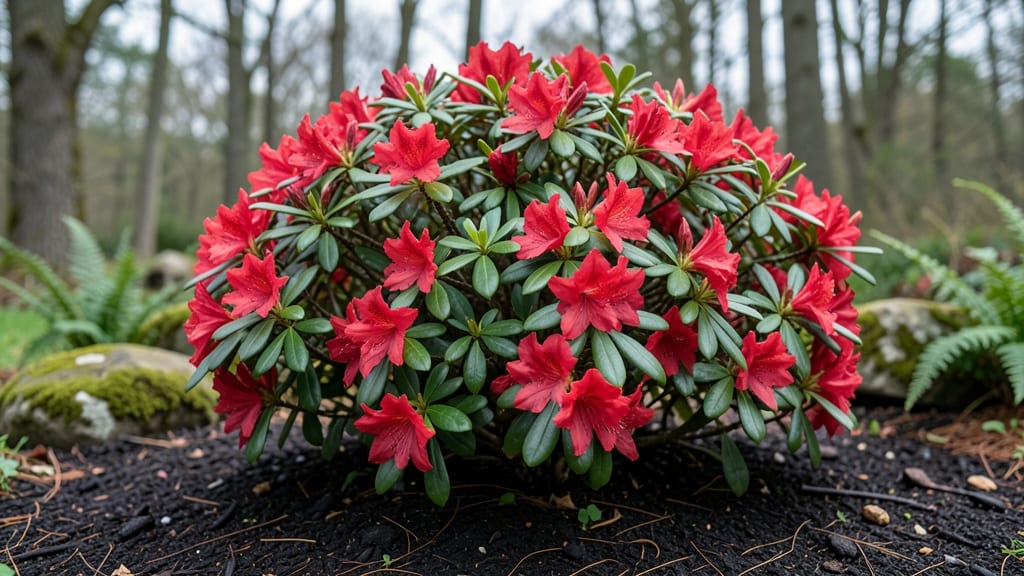
Growing a red rhododendron shrub starts with the right spot—one that mimics its natural woodland home. 🌿 These shrubs thrive in partial shade, where morning sun warms their leaves but afternoon shade keeps them from scorching.
I learned this the hard way when my first rhododendron lost half its blooms after a summer of harsh afternoon rays. The secret to vibrant red flowers lies in acidic, well-draining soil mixed with organic matter.
Most garden centers sell rhododendron-specific mixes, but you can also blend peat moss, pine bark, and compost. Water deeply once a week, letting the top inch of soil dry between sessions—overwatering is the fastest way to kill these beauties.
Once established, your shrub will reward you with glossy evergreen leaves and clusters of fiery red blooms that last for weeks. With minimal pruning (just removing dead branches in early spring), you’ll enjoy year-round interest that turns heads in any landscape.
For best results, plant in early fall or late spring, and mulch heavily to protect roots from temperature swings. Even experienced gardeners make mistakes—like over-fertilizing—which can reduce blooms. Stick to the basics, and your rhododendron will thrive for decades.
📚 In This Guide
- What you need
- Instructions
- Tips and common mistakes
- Wrapping up and next steps
What you need
- ● Red rhododendron shrub: Choose a healthy 1-3 gallon container plant (or seeds/cuttings if propagating). Look for Rhododendron ‘Nova Zembla’ or similar red varieties for bold color.
- ● Well-draining acidic soil: 50 lbs of peat moss or pine bark fines (pH 4.5–6.0). Mix with native soil in a 1:1 ratio for planting holes.
- ● Organic mulch: 2–3 inches of pine needles, wood chips, or leaf mold to retain moisture and acidify soil.
- ● Slow-release fertilizer: 1 lb of rhodo-specific fertilizer (e.g., Osmocote or Miracle-Gro Azalea/Rhododendron) or fish emulsion (5-5-5 NPK ratio).
- ● Garden trowel or spade: For digging planting holes (12–18 inches wide/deep).
- ● Garden gloves: Heavy-duty to protect against thorns and soil.
- ● Watering can or hose with nozzle: For gentle, deep watering (1–2 gallons per shrub after planting).
- ○ Pruning shears: Sharp, sterilized shears for shaping (optional, but handy for minimal pruning!).
- ○ pH testing kit: Digital or liquid test kit to monitor soil acidity (optional but recommended).
- ● Epsom salt: 1 tbsp per gallon of water (monthly feed for magnesium boost).
- ● Mulch rings: Plastic or stone rings to keep mulch contained.
- ● Shade cloth: 30–50% coverage if planting in hot, sunny climates.
- ● Container or raised bed: For urban gardeners (ensure drainage holes!).
How to plant and care for a thriving red rhododendron shrub
Here's how to grow a stunning red rhododendron that blooms reliably year after year with minimal fuss.
🌱 Step 1: Choose the Perfect Planting Spot
Red rhododendrons thrive in partial shade—think morning sun and afternoon shade. I always look for spots that get 4-6 hours of dappled sunlight daily, especially in hotter climates. The soil should drain well but retain moisture; these shrubs hate soggy roots but won’t tolerate dry spells either.
Test your soil’s acidity with a pH meter—ideal range is 4.5-6.0. If your soil is alkaline, amend it with sulfur or peat moss before planting. I dig a hole twice as wide as the root ball but only as deep—planting too deep suffocates the roots and causes rot.
💧 Step 2: Plant with Proper Soil and Watering
Mix the existing soil with 3 parts peat moss or pine bark fines and 1 part perlite to improve drainage and acidity. This blend mimics their natural woodland habitat. Place the rhododendron in the hole so the top of the root ball sits 1 inch above ground level—this prevents water from pooling around the stem.
Backfill gently, tamping down lightly to remove air pockets. Water deeply until the soil is moist 6 inches down. I always mulch with 3 inches of pine needles or bark to conserve moisture and keep roots cool. Avoid wood chips—they decompose too slowly and can raise soil pH over time.
☀️ Step 3: Water and Fertilize for First-Year Success
Keep the soil evenly moist for the first 6-8 weeks after planting—this encourages strong root establishment. You’ll know it’s right when the top 2 inches of soil feel damp but not soggy. Red rhododendrons are thirsty but hate wet feet, so I water 2-3 times weekly in summer, adjusting for rain.
Fertilize in early spring with an acid-loving plant fertilizer (look for high phosphorus for blooms). I use a slow-release granular formula spread 6 inches from the base, then water it in. Avoid high-nitrogen fertilizers—they promote leafy growth at the expense of flowers.
✂️ Step 4: Prune Only When Necessary
Red rhododendrons need minimal pruning—only shape in late spring after blooms fade. I trim dead or crossing branches first, then lightly shape the outer edges to encourage bushiness. Never cut into old wood; these shrubs bloom on new growth, so pruning too late risks losing next year’s flowers.
If your shrub gets leggy, I prune 1/3 of the oldest stems at the base in early spring. This rejuvenates the plant and keeps it compact. Avoid heavy pruning—it stresses the shrub and can reduce flowering for a season.
🌿 Step 5: Protect and Maintain Year-Round
In winter, protect young shrubs from freezing winds with a burlap wrap or evergreen boughs if temps drop below 10°F. Established plants handle cold well, but new growth is vulnerable. I also check for spider mites or scale in late summer—spray with neem oil if you spot webbing or sticky residue on leaves.
Every 2-3 years, top-dress with 1 inch of compost in early spring. This replenishes nutrients without shocking the plant. Red rhododendrons are low-maintenance once established, but this little care keeps them blooming for decades with minimal effort.
Tips & tricks for perfect red rhododendron care
These simple strategies will help you avoid common pitfalls and keep your red rhododendron thriving for years to come.
Location Insight: That 4-6 hours of dappled sunlight in Step 1 is crucial—direct afternoon sun can scorch leaves, while too little light reduces flowering. I've seen plants in full shade struggle to bloom after just two years. For hotter climates, consider a location with afternoon shade from nearby trees or structures. The key is mimicking their natural woodland understory habitat where they receive filtered light.
Soil Mixing Secret: When combining the 3 parts peat moss or pine bark fines with 1 part perlite in Step 2, don't skip the perlite! It creates those tiny air pockets that prevent compaction. I've noticed plants without perlite develop waterlogged roots even when watering seems correct. For extra insurance, add a handful of horticultural charcoal to the mix—it helps prevent fungal issues while maintaining that perfect acidic environment.
Watering Wisdom: The 6-8 week critical period in Step 3 is when most new plantings fail. I test soil moisture by pushing a finger 2 inches down—if it feels dry, water thoroughly until it runs out the drainage holes. For container-grown rhododendrons, I use a moisture meter to avoid overwatering, which is just as damaging as underwatering. The goal is consistent moisture, not soggy soil.
Fertilizer Timing: That early spring application in Step 3 is non-negotiable for blooms. I've learned the hard way that applying fertilizer too late in spring can stimulate new growth that won't harden off before winter. Look for fertilizers with a 7-7-7 or 5-10-10 NPK ratio—the higher phosphorus (middle number) promotes flowering. Spread it 6 inches from the base and water it in immediately to prevent root burn.
Pro Tips for Red Rhododendron Shrub
- These simple strategies will help you avoid common pitfalls and keep your red rhododendron thriving for years to come.
- Location Insight: That 4-6 hours of dappled sunlight in Step 1 is crucial—direct afternoon sun can scorch leaves, whi...
- Soil Mixing Secret: When combining the 3 parts peat moss or pine bark fines with 1 part perlite in Step 2, don't skip...
Frequently asked questions
Got questions about growing and caring for your red rhododendron shrub? You’re not alone! Here are some of the most common queries—plus quick, practical answers to keep your shrub thriving.
How often should I water my red rhododendron?
Water your red rhododendron deeply 1-2 times per week during the first growing season to establish roots. Once mature, aim for 1 inch of water weekly (more in extreme heat or drought). Mulch around the base helps retain moisture—just avoid piling it against the trunk.
When is the best time to prune a red rhododendron?
Prune your shrub right after flowering (late spring to early summer) to avoid cutting off next year’s blooms. Light shaping is fine, but avoid heavy pruning—these shrubs bloom on old wood. Use clean, sharp shears to prevent disease.
Why are my red rhododendron leaves turning yellow?
Yellowing leaves often signal overwatering, poor drainage, or nutrient deficiency. Check soil moisture—red rhododendrons hate soggy roots! Amend soil with acidic compost (pH 4.5–6.0) and ensure pots/drainage areas have holes.
Can I grow red rhododendrons in containers?
Choose a large pot (15+ gallons) with drainage holes and use acidic, well-draining potting mix. Repot every 2–3 years and move containers to partial shade in summer to prevent stress.
What pests should I watch for on red rhododendrons?
Keep an eye out for lace bugs, spider mites, and scale insects—they love rhododendrons! Treat early with neem oil or insecticidal soap. For lace bugs, blast off leaves with water first to reduce eggs.
Wrapping up and next steps
Growing a stunning red rhododendron shrub is a rewarding journey that brings year-round beauty to your garden with surprisingly little effort! 🌸 With the right soil, sunlight, and minimal pruning, these vibrant shrubs will thrive and become the star of your landscape.
Whether you're a seasoned gardener or just starting out, their resilience and striking color make them a perfect choice for adding elegance and charm.
Now that you’re armed with all the tips and tricks, take the next step—pick your favorite variety, grab your gloves, and get ready to cultivate a showstopping shrub that will wow neighbors and pollinators alike! 🌿