
Shrubs
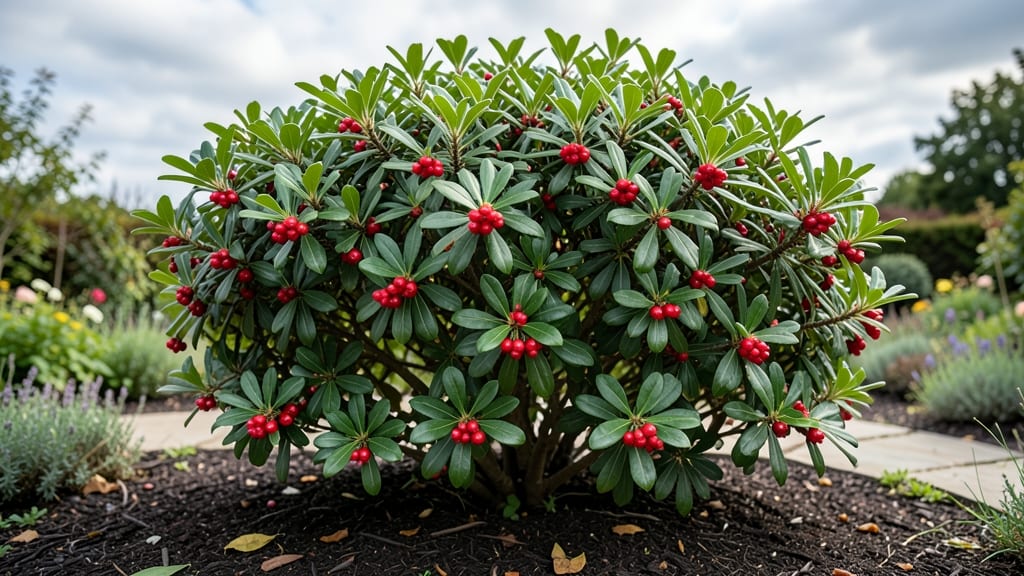
Growing a red leaf shrub transforms your yard into a living jewel box of color. ✨ These shrubs—like the Japanese holly 'Red Sprite' or Cotoneaster franchetii—keep their vibrant foliage year-round, with some even offering fragrant flowers or berries.
The secret to their showstopping appearance? Strategic pruning that encourages dense growth and prevents legginess.
Start with the right spot: partial shade to full sun, depending on the variety, and well-draining soil that’s slightly acidic. Most red leaf shrubs thrive in zones 5-8, making them perfect for northern gardens where evergreens struggle.
Plant in early spring or fall, giving roots time to establish before extreme temperatures hit.
Pruning isn’t just about shaping—it’s about revitalizing the shrub. Cut back one-third of the oldest stems each year in late winter or early spring, just as new growth begins. This keeps the plant compact, encourages fresh foliage, and prevents that sad, overgrown look.
With the right care, your shrub will reward you with deep red leaves that stand out against snow or summer blooms.
Bonus: These shrubs are low-maintenance once established, drought-tolerant once rooted, and deer-resistant—ideal for busy gardeners or urban yards. Whether you’re framing a doorway or adding height to a border, they deliver year-round interest with minimal effort.
📚 In This Guide
- What you need
- Instructions
- Tips and common mistakes
- Wrapping up and next steps
What you need
- ● Red leaf shrub (e.g., Cotinus coggygria 'Royal Purple' or Euonymus alatus 'Compactus') – 1 mature plant (3-5 gallons) or 3-5 young nursery plants (1-gallon pots).
- ○ Well-draining potting soil or garden soil mix – 5-10 cubic feet (for in-ground planting) or 2-3 bags (for containers). Optional: Amend with compost for richer nutrients.
- ● Organic mulch (e.g., shredded bark or pine needles) – 2-3 inches to retain moisture and suppress weeds.
- ● Slow-release fertilizer (10-10-10 or balanced organic) – 1-2 pounds per 100 sq. ft. of planting area.
- ● Pruning shears or loppers – Sharp, clean tools (sterilize with rubbing alcohol between cuts!).
- ● Gloves – Heavy-duty gardening gloves to protect hands from thorns (if applicable) and dirt.
- ● Watering can or hose with adjustable nozzle – For deep, consistent watering (1-2 gallons per plant, 2-3x/week).
- ● Measuring tape or ruler – To mark pruning zones (e.g., 1/3 of the plant’s height for rejuvenation cuts).
- ○ Sunlight assessment tool (e.g., light meter app) – Optional: Ensure your shrub gets 4-6 hours of sunlight daily.
- ● Container (if not planting in-ground) – 15-20 gallon pot with drainage holes (for dwarf varieties).
- ● 🌡️ Check hardiness zone: Most red leaf shrubs thrive in Zones 5-9. Verify your local climate!
- ● ✨ Test soil pH: Aim for 6.0-7.0 (use a soil test kit if unsure). Adjust with lime or sulfur if needed.
- ● 🔥 Timing matters: Plant in spring or early fall to avoid extreme heat/cold stress.
Step-by-step guide to planting and pruning red leaf shrubs
Here's how to establish your shrubs for vibrant foliage and maximize their fragrance potential.
🌱 Step 1: Choose the Perfect Planting Location
Red leaf shrubs thrive in partial shade to full sun, but for optimal foliage color, aim for 4-6 hours of morning sun and afternoon shade—especially in hotter climates. I always scout the site first: look for areas where the ground stays moist but well-drained. Avoid low spots where water pools after rain, as soggy roots will yellow leaves within weeks.
Test your soil's drainage by digging a 12-inch deep hole and filling it with water. If it drains in under an hour, the site's perfect. If water remains after 2 hours, amend with 2-3 inches of compost mixed into the top foot of soil. The shrub's roots prefer slightly acidic to neutral soil (pH 6.0-7.0), so a simple soil test kit confirms you're in the right range.
🪴 Step 2: Dig and Plant for Strong Root Establishment
Dig a hole twice as wide as the root ball but only as deep as the container's base—planting too deep suffocates roots. Gently loosen the root ball's edges if it's tightly packed, encouraging outward growth. Place the shrub in the hole so the top of the root ball sits 1 inch above ground level—this prevents water from pooling at the stem base.
Backfill with native soil mixed with 1 part compost to improve moisture retention and nutrient availability. Press firmly around the edges to eliminate air pockets, then water deeply until the soil 12 inches down feels moist. Mulch with 2-3 inches of shredded bark (keeping it 3 inches away from the stem) to conserve moisture and regulate soil temperature.
✂️ Step 3: Prune Strategically for Shape and Fragrance
Prune twice yearly: late winter (just before new growth starts) and summer (after flowering). In winter, remove dead, crossing, or inward-growing branches at the branch collar to open the shrub's center for airflow. I always use clean, sharp bypass pruners to avoid tearing bark, which invites disease. Cut at a 45-degree angle just outside the branch collar for faster healing.
For summer pruning, trim back overly leggy growth by one-third to encourage bushier, more fragrant foliage. Never remove more than one-third of the plant's volume in a single season—this stresses the shrub and reduces fragrance production. After pruning, apply a balanced 10-10-10 fertilizer around the base to support new growth.
💧 Step 4: Water and Feed for Year-Round Vibrancy
Water deeply once weekly during the first growing season, aiming for 1-1.5 inches of water per week—more in extreme heat. You'll know you've watered enough when the soil 6 inches down feels moist. Overwatering causes root rot, which turns leaves yellow and mushy. Once established (after 2 years), reduce watering to every 2 weeks unless experiencing drought.
Feed in early spring with a slow-release granular fertilizer (like 14-14-14) spread 6 inches from the stem and lightly raked into the soil. Avoid high-nitrogen fertilizers—they promote leafy growth at the expense of fragrance. A monthly liquid seaweed extract during the growing season boosts resilience and enhances the shrub's natural scent.
☀️ Step 5: Monitor and Adjust for Seasonal Changes
In fall, reduce watering as temperatures drop and the shrub enters dormancy. Remove any yellowed or diseased leaves to prevent overwintering pests. A light mulch top-up (1 inch) insulates roots from freezing temperatures. I always check for spider mites (tiny webs on undersides of leaves)—treat with neem oil if spotted, as these pests weaken fragrance.
Spring is the time to shape up any winter damage. Trim back any frost-bitten branches to the nearest healthy growth point. If your shrub's leaves lose their vibrant red hue, it may need more shade—move it slightly away from direct afternoon sun. The goal is to maintain that bold foliage color while keeping the fragrance strong year-round.
Tips & tricks for perfect red leaf shrub care
These practical insights will help you cultivate vibrant, fragrant shrubs that thrive year after year.
Location Scouting: When selecting your planting site, pay special attention to the 4-6 hours of morning sun guideline—this is non-negotiable for that signature red foliage. I've found that east-facing locations with afternoon shade work best in hot climates. For testing drainage, use a 12-inch deep hole test: if water remains after 2 hours, you'll need to amend the soil with compost before planting. This simple test saves you from soggy roots later.
Root Ball Preparation: The trick with root balls is to loosen the edges gently—this encourages outward growth rather than circling roots. I've seen many gardeners skip this step and end up with stunted shrubs. Also, maintaining that 1 inch above ground level positioning prevents water from pooling at the stem base, which is a common cause of early decline. Don't forget to press firmly around the edges when backfilling to eliminate air pockets.
Pruning Precision: That 45-degree angle cut outside the branch collar isn't just aesthetic—it promotes faster healing and prevents disease entry points. For summer pruning, focus on removing only one-third of the plant's volume maximum to avoid stressing the shrub. I've learned this the hard way after seeing over-pruned shrubs lose their fragrance entirely. Always use clean, sharp bypass pruners to prevent tearing the bark.
Seasonal Adjustments: The 1-inch mulch top-up in fall is crucial for insulating roots during winter. I've noticed that shrubs with proper mulching maintain their vibrant color through winter, while those without often develop brown patches. For spring shaping, trim back frost-bitten branches to the nearest healthy growth point—this encourages fresh, fragrant growth without shocking the plant.
Pro Tips for Red Leaf Shrub
- These practical insights will help you cultivate vibrant, fragrant shrubs that thrive year after year.
- Location Scouting: When selecting your planting site, pay special attention to the 4-6 hours of morning sun guideline...
- Root Ball Preparation: The trick with root balls is to loosen the edges gently—this encourages outward growth rather ...
Frequently asked questions
Got questions about your red leaf shrub? You’re not alone!
Whether you're a new plant parent or a seasoned gardener, these answers will help you keep your shrub thriving with vibrant foliage and year-round fragrance.
How often should I prune my red leaf shrub for the best color?
Prune your red leaf shrub twice a year: once in early spring (just before new growth starts) to shape it and again in late summer (after flowering) to encourage vibrant fall color. Avoid heavy pruning in winter—this can stress the plant. Pro tip: Use clean, sharp shears and remove no more than 1/3 of the plant at a time to maintain health.
Why are the leaves on my red leaf shrub turning brown or yellow?
Brown or yellow leaves often signal overwatering, underwatering, or nutrient deficiencies. Check the soil moisture—it should be evenly damp but not soggy. Yellowing can also mean iron deficiency; try a chelated iron supplement. If leaves are crispy, it’s likely too dry. Adjust your watering routine and monitor for pests like spider mites, which thrive in dry conditions.
When is the best time to plant a red leaf shrub for long-term success?
The ideal planting window is early spring or early fall, when temperatures are mild and the shrub can establish roots without stress. Avoid planting in peak summer heat or freezing winter, as extreme temps can shock the plant. If you must plant in summer, choose a cloudy day and water deeply afterward to reduce transplant shock.
Are there any alternatives to red leaf shrubs with similar foliage?
If you love the bold red foliage but want variety, consider these stunning alternatives:
- Cotoneaster – Offers red, purple, or orange leaves with berries.
- Barberry (Berberis) – Thorny shrubs with deep red or purple leaves.
- Smokebush (Cotinus) – Features smoky purple or pink foliage and dramatic plumes.
- Japanese Maple (Acer palmatum) – Dwarf varieties like ‘Bloodgood’ have fiery red leaves.
Can I prune my red leaf shrub in winter, or will it harm the plant?
While light pruning (removing dead or damaged branches) in winter is fine, avoid heavy pruning during cold months. Winter pruning can expose tender new growth to frost damage and stress the plant. Stick to spring and summer pruning for shaping and color maintenance. If you must prune in winter, do so on a mild day and avoid cutting into old wood.
Wrapping up and next steps
Transforming your garden into a fragrant, year-round haven with red leaf shrubs is easier than you think! 🌿 With the right pruning techniques, soil care, and seasonal adjustments, these vibrant shrubs will reward you with stunning foliage and intoxicating blooms for seasons to come.
Whether you're a seasoned gardener or just starting, your efforts will create a lush, inviting space that neighbors will envy.
Ready to take the next step? Start small:
- Pick one shrub to experiment with this season.
- Grab your pruners and follow the guide—confidence grows with practice!
- Share your progress (and blooms!) with fellow gardeners for extra motivation.