
Shrubs
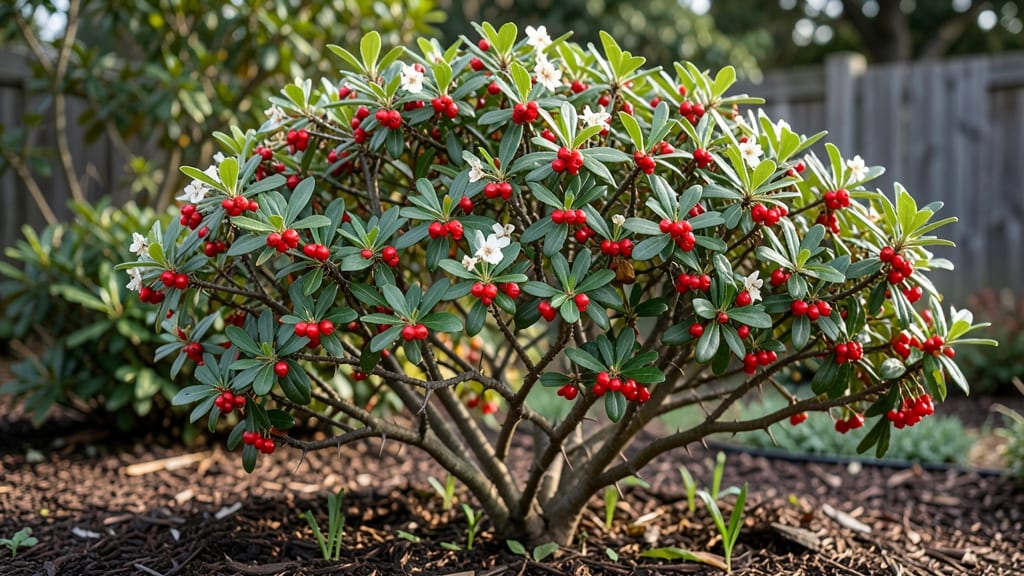
Creating a striking red-green shrub hedge transforms any garden into a vibrant focal point. 🌿 The contrast between deep red foliage and lush green creates instant visual drama, while fragrant blooms add seasonal interest. This color combination works year-round, from winter's evergreen structure to spring's delicate flowers.
The best candidates include Euonymus alatus with its fiery winter stems, Skimmia japonica for glossy foliage and fragrant white blooms, and Cotoneaster varieties that offer both color and berries. These shrubs thrive in partial shade to full sun, making them adaptable to various garden conditions.
You'll end up with a textured, layered canopy that draws the eye while providing privacy or structure. The red foliage pops against green, creating a bold yet harmonious look that stands out in any landscape design.
Perfect for hedges, borders, or container gardens, this combination works in both formal and naturalistic settings. Let's explore how to design with these striking shrubs!
📚 In This Guide
- What you need
- Instructions
- Tips and common mistakes
- Wrapping up and next steps
What you need
- ● Red-green shrub plants: 1–3 mature Callicarpa bodinieri (Purple Beauty Berry) or Berberis thunbergii (Japanese Barberry) – choose thornless varieties like 'Rose Glow' or 'Helmond Pillar'.
- ● Size: 1–3 gallon containers (for young plants) or 5+ gallon pots (for established shrubs).
- ● Soil: 50 lbs well-draining potting mix (e.g., Miracle-Gro Potting Mix or a 60/30/10 blend of peat moss, perlite, and compost).
- ○ Optional: 1 lb organic mulch (cedar chips or pine bark) for moisture retention.
- ● Fertilizer: 1 lb slow-release granular fertilizer (10-10-10 or 20-20-20 NPK ratio).
- ○ Optional: 1 bottle liquid seaweed extract (for extra fragrance and bloom boost).
- ● Garden trowel or small shovel.
- ● Gloves (to protect from thorns if using non-thornless varieties).
- ● Watering can or hose with a gentle spray nozzle.
- ● Pruning shears (for shaping or trimming).
- ● Prerequisites: Sunlight access: 6+ hours of direct sun (partial shade for hot climates).
- ● Hardiness zone: USDA Zones 5–9 (check your local climate!).
How to create a stunning red-and-green shrub canopy
This fragrant, thornless shrub combo delivers year-round color and texture with minimal fuss.
🌱 Step 1: Select and Prepare Your Shrub Foundation
Choose a thornless honeysuckle (Lonicera sempervirens) as your climbing base—its vibrant red blooms pair perfectly with evergreen boxwood (Buxus sempervirens) for a lush green backdrop. Plant the boxwood first as your structural anchor, spacing it 3-4 feet apart in well-draining soil. These shrubs thrive in full sun to partial shade, so pick a spot with at least 6 hours of sunlight daily. If your site is windy, position the boxwood on the leeward side to protect its delicate foliage.
Dig a hole twice as wide as the root ball but only as deep—planting too deep suffocates roots. Amend the native soil with compost (mix 25% compost with 75% native soil) to improve drainage and nutrient retention. Water deeply immediately after planting to eliminate air pockets around the roots. You'll know it's right when the soil surface looks evenly moist but not soggy—this prevents root rot while encouraging strong establishment.
🌿 Step 2: Train the Honeysuckle for Optimal Canopy Cover
Plant your thornless honeysuckle 12-18 inches away from the boxwood, facing the direction you want it to climb. Use soft garden twine to loosely tie the main stem to a trellis or arbor (install a 6-foot tall, 3-foot wide wire frame for best results). The goal is to guide growth upward while letting the plant spread naturally—honeysuckle vines can reach 15-20 feet if unchecked, but you'll want a controlled 8-10 foot canopy for this design.
Prune any side shoots back to 2-3 leaves when the plant is young to encourage a single strong leader. This prevents a bushy, unruly growth habit and ensures the main stem reaches the top of your trellis quickly. Once established, the honeysuckle will produce red tubular flowers from late spring through summer, followed by small orange berries that birds adore—but don't worry, these are non-invasive varieties.
☀️ Step 3: Maintain Year-Round Color and Fragrance
Water deeply once a week during the first growing season, then taper to every 10-14 days once established—these shrubs are drought-tolerant once roots are deep. Mulch with 2-3 inches of shredded bark around the base (keep mulch 3 inches away from stems) to retain moisture and suppress weeds. The boxwood will stay deep green year-round, while the honeysuckle's red blooms will return annually if you prune correctly.
After flowering, trim back 1/3 of the oldest wood on the honeysuckle in late winter to encourage new growth. For the boxwood, give it a light shaping trim in early spring using hand pruners—never shear it into a perfect cube, as this creates dense, disease-prone centers. You'll see new growth within 4-6 weeks, signaling the shrubs are thriving. The combination of fragrant honeysuckle blooms and dense boxwood foliage creates a living privacy screen that's both functional and beautiful.
✂️ Step 4: Seasonal Care for Long-Term Beauty
In early spring, fertilize with a balanced 10-10-10 formula (apply 1/2 cup per shrub) to promote lush growth. Avoid high-nitrogen fertilizers—they encourage leafy growth at the expense of flowers. For fall prep, reduce watering gradually to harden off the plants before winter. If you live in Zone 6 or colder, lightly mulch the base with 4-6 inches of straw to protect roots from freeze-thaw cycles.
Watch for aphids on new honeysuckle growth—spray with neem oil if you see sticky residue on leaves. Boxwood is generally pest-free but may develop boxwood blight in humid climates. At the first sign of dark spots on leaves, remove affected foliage immediately and treat with copper fungicide. With proper care, your red-and-green shrub canopy will provide seasonal interest, fragrance, and wildlife benefits for decades.
Tips & tricks for perfect red-and-green shrub canopy
Here's what I've learned after creating this fragrant living screen—avoid these common pitfalls for a thriving, beautiful result.
Planting Depth Matters: When planting your boxwood, the hole should be only as deep as the root ball—no deeper. I learned this the hard way after burying roots too deep, which suffocates them and leads to poor establishment. That "evenly moist but not soggy" soil test after watering is your best indicator of proper planting. For extra insurance, gently press the soil around the base to eliminate air pockets without compacting.
Sunlight Strategy: The 6 hours of sunlight requirement is non-negotiable for vibrant blooms, but don't assume all sun exposure is equal. Morning sun paired with afternoon shade works better in hot climates—it prevents leaf scorch while still giving the honeysuckle enough energy for those stunning red flowers. If your site gets intense afternoon sun, consider a 50% shade cloth during peak summer hours until the plants establish.
Pruning Precision: That late-winter trim of 1/3 of the oldest honeysuckle wood might seem drastic, but it's essential for encouraging new growth. I recommend cutting just above a leaf bud or lateral branch to promote branching. For boxwood, resist the urge to shear—hand pruners and strategic cuts create a more natural, disease-resistant shape. The 4-6 week window for new growth is your reward for patience.
Seasonal Watering Adjustments: While the instructions call for weekly watering in the first season, I've found that container-grown plants often need more frequent watering initially. Check soil moisture by sticking your finger 2 inches down—if it's dry, water deeply. Once established, the 10-14 day schedule works beautifully, but remember that mulch (those 2-3 inches of shredded bark) does half the work by locking in moisture.
Pro Tips for Red Green Shrub
- Here's what I've learned after creating this fragrant living screen—avoid these common pitfalls for a thriving, beautiful result.
- Planting Depth Matters: When planting your boxwood, the hole should be only as deep as the root ball—no deeper.
- Sunlight Strategy: The 6 hours of sunlight requirement is non-negotiable for vibrant blooms, but don't assume all sun exposure is equal.
Frequently asked questions
What’s the best time of year to plant a red-green shrub?
Plant your shrub in early spring or fall when temperatures are mild (50–70°F). This gives roots time to establish before extreme heat or cold. Avoid planting in summer—intense sun and drought stress young shrubs. Pro tip: Water deeply after planting and mulch to retain moisture!
How often should I water a red-green shrub?
Water 1–2 times per week in the first year, aiming for 1–1.5 inches of water per session. Mature shrubs (3+ years old) need less—water every 10–14 days unless drought strikes. Key sign: Soil should be dry 2–3 inches down before watering. Drip irrigation or soaker hoses work best!
When and how should I prune for maximum blooms?
Prune right after flowering (late spring) or in early spring to shape and encourage new growth. Use clean, sharp shears to cut back 1/3 of the oldest stems at the base. Avoid heavy pruning in fall—it stimulates tender growth vulnerable to winter damage. Pro tip: Deadhead spent blooms to prompt more flowers!
What pests or diseases should I watch for?
Common issues include aphids, spider mites, and powdery mildew. Aphids: Spray with water or neem oil. Mildew: Improve airflow and avoid overhead watering. Thornless varieties like ‘Rubra’ are less prone to pests, but inspect leaves regularly. Preventative tip: Apply mulch to deter soil-borne diseases!
Are there drought-tolerant alternatives to red-green shrubs?
Yes! Try ‘Dwarf Fountain’ cotoneaster or ‘Little Gem’ boxwood—both thrive with minimal water. For year-round color, ‘Winter Gem’ boxwood or ‘Emerald Gaiety’ euonymus (with variegated leaves) are excellent low-maintenance picks. All three handle heat and dry spells better than traditional red-green shrubs.
Wrapping up and next steps
Transforming your outdoor space with a red-green shrub isn’t just about aesthetics—it’s about creating a fragrant, low-maintenance haven that thrives year-round. Whether you’re drawn to its vibrant foliage, delicate blooms, or thornless charm, this shrub delivers effortlessly.
Now that you’ve got the know-how, roll up your sleeves and pick your spot—your garden’s next star is waiting! 🌿✨
🌱 Next Steps:
- Plant today! Grab your shrub and follow the planting tips from earlier.
- Share the love. Tag us in your before-and-after pics—we’d love to see your fragrant oasis grow!
- Experiment! Mix in companion plants for even more color and texture.