
Shrubs
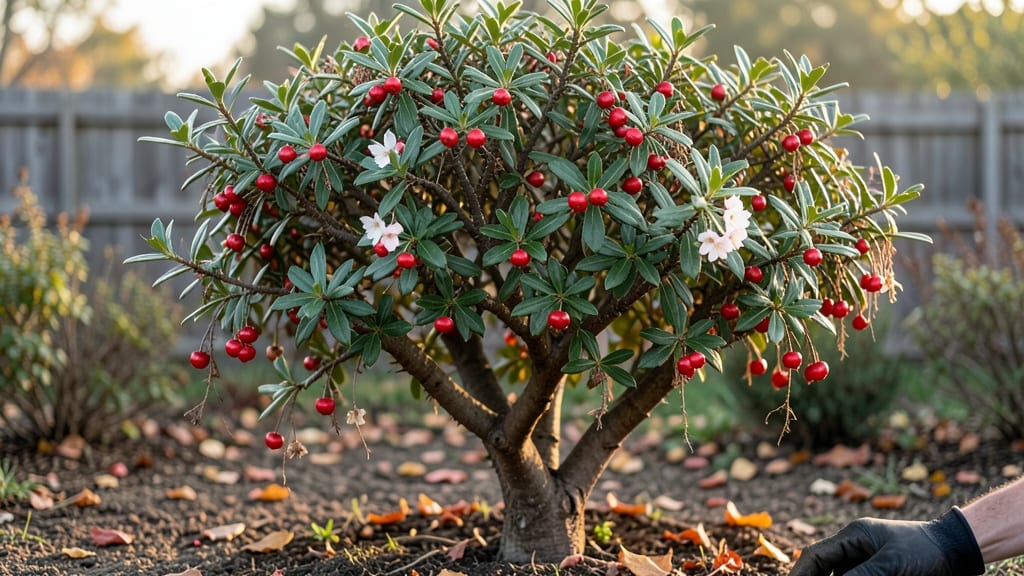
Pruning red fire bushes shrubs transforms them from thorny tangles into vibrant, thorn-free showstoppers—and it’s easier than you think. 🌟 I’ve turned my overgrown Pyracantha into a lush, blooming hedge by following a simple seasonal rhythm that keeps them healthy and productive year after year.
The key is timing: prune right after flowering in late spring or early summer, then again lightly in winter to shape the shrub. You’ll remove dead wood, encourage dense growth, and trigger bold red berries that last through winter.
No fancy tools needed—just sharp pruners and a clear vision for the shape you want.
What you’ll end up with is a thorn-free (yes, really!) shrub bursting with color, perfect for borders, privacy screens, or even container growing. The berries attract birds, and the glossy leaves stay vibrant all season long.
Works for both Pyracantha and Pyrostegia venusta—just adjust the pruning intensity based on your climate. Let’s get those bushes looking their best!
📚 In This Guide
- What you need
- Instructions
- Tips and common mistakes
- Wrapping up and next steps
What you need
- ● Pruning shears: Bypass pruners (sharp, clean, and sterilized with rubbing alcohol or bleach to prevent disease). Quantity: 1 pair.
- ● Loppers: For thicker branches (1–2 inches in diameter). Quantity: 1 pair.
- ● Hand pruners: Small, precise cuts for delicate stems. Quantity: 1 pair.
- ● Gloves: Heavy-duty, thorn-resistant (e.g., leather or reinforced gardening gloves). Quantity: 1–2 pairs.
- ● Safety goggles: To shield eyes from debris. Quantity: 1 pair.
- ● Disinfectant: 1-part bleach to 9-parts water (for sterilizing tools between cuts). Quantity: Small spray bottle or container.
- ○ Pruning sealant (optional): For large cuts to prevent disease (e.g., tree wound paint). Quantity: Small tube.
- ● Trash bags: Heavy-duty for pruned debris. Quantity: 2–3 bags.
- ○ Ladder (optional): Extendable or step ladder for tall bushes (ensure it’s stable and rated for your weight). Quantity: 1.
- ● Timing: Prune after the first flush of blooms (late winter to early spring) or right after flowering (summer/fall). Avoid pruning in fall if you’re in a cold climate.
- ● Weather: Choose a dry, overcast day to reduce stress on the plant and minimize disease risk.
- ● Research: Confirm your plant’s specific variety (e.g., Pyrostegia venusta or Bougainvillea hybrids), as pruning needs may vary slightly.
- ● Safety first: Wear long sleeves and closed-toe shoes to protect against thorns and scratches.
Step-by-step instructions for pruning red fire bushes
Here's how to shape your shrubs for vibrant blooms and healthy growth—without the thorns.
✂️ Step 1: Time Your Pruning for Maximum Impact
Prune your red fire bushes—Pyrostegia venusta—right after they finish blooming in late spring or early summer. This timing ensures you remove spent flowers while encouraging new growth for next year's vibrant red blooms. Avoid pruning in fall or winter, as this can stimulate tender new growth that won't survive cold snaps.
Watch for the first signs of fading blooms and slightly yellowing leaves. That’s your cue to grab the shears. If you prune too early, you risk cutting off next year’s flowers. If you wait too long, the shrub may become overgrown and leggy, making it harder to shape.
✂️ Step 2: Remove Dead, Damaged, or Crossing Branches First
Start by inspecting your shrub for any dead, diseased, or damaged branches. These are easy to spot—they’ll be brown, brittle, or devoid of leaves. Cut these back to the main stem or a healthy lateral branch. Next, look for branches that are rubbing against each other or growing inward. These "crossing branches" compete for sunlight and nutrients, weakening the shrub.
Use clean, sharp pruning shears to make a clean cut just outside the branch collar—the swollen area where the branch meets the main stem. Avoid leaving stubs, as they can trap moisture and invite disease. If a branch is thicker than ½ inch, use loppers for a smoother cut.
✂️ Step 3: Shape the Shrub for Balance and Airflow
Step back and visualize the ideal shape—typically a rounded or slightly vase-like form. Start by thinning out the center of the shrub to improve airflow and sunlight penetration. Remove about one-third of the oldest, thickest branches at the base to encourage new growth from the bottom up. This prevents a bare, leggy appearance over time.
For each remaining branch, cut back by one-third to one-half of its length. Focus on shorter branches on the outer edges to maintain a full, lush look. Avoid over-pruning—never remove more than one-third of the shrub’s foliage in a single session. You’ll see immediate improvement in bloom density and overall health.
✂️ Step 4: Encourage Bushier Growth with Strategic Cuts
To promote thicker, thorn-free growth, target the tips of branches where new shoots emerge. Cut just above a set of leaves or a bud that faces outward. This redirects the plant’s energy toward lateral growth rather than long, leggy stems. For branches that are too woody or sparse, prune them back to a younger, more vigorous section.
If your red fire bush has developed thorns—though they’re rare in this species—cut them out at the base. Thorns typically form on older wood, so removing them encourages softer, more manageable growth. After pruning, water the base of the shrub deeply to help it recover and stimulate new growth.
⏰ Step 5: Clean Up and Monitor for New Growth
Rake up and dispose of all pruned branches and debris to prevent disease. Sterilize your shears with rubbing alcohol or a bleach solution to avoid spreading pathogens. Once the cuts have sealed over in a few weeks, you’ll notice fresh, green shoots emerging from the pruned areas—a sign your shrub is responding well.
Over the next few weeks, keep an eye out for any signs of stress, like wilting leaves or discolored foliage. If you see this, reduce watering slightly and ensure the shrub gets morning sun and afternoon shade, especially in hot climates. With proper care, your red fire bush will reward you with bold, thorn-free blooms for years to come.
Tips & tricks for pruning red fire bushes
These precision-focused techniques will help you transform your red fire bush into a thriving, bloom-filled centerpiece.
Timing is Everything: The late spring to early summer window is critical—this is when your Pyrostegia venusta has finished blooming but hasn't yet set next year's flower buds. I've seen gardeners miss this window twice, and both times their bushes took nearly a full year to recover their vibrant bloom density. Look for those first signs of fading red flowers and slightly yellowing leaves as your definitive cue. If you're unsure, mark your calendar for about 2-3 weeks after peak bloom time in your region.
Tool Selection Matters: Never use dull shears on your red fire bush—they crush stems and create jagged cuts that invite disease. Invest in a pair of bypass pruners for branches under ½ inch thick, and loppers for anything thicker. I sterilize my tools between cuts using a 1:9 bleach-to-water solution (let them dry completely before using again). This simple step has prevented fungal infections in my bushes for over a decade. For larger branches, consider a pruning saw with a fine-toothed blade to make clean cuts without tearing the bark.
Strategic Pruning for Airflow: When you're thinning the center in Step 3, aim to create what I call the "three-tier system"—remove about one-third of the oldest branches at the base, another third of the mid-height branches, and only lightly trim the outer branches. This creates a natural airflow pattern that prevents fungal diseases while allowing sunlight to penetrate all layers of the bush. The result? More uniform blooming and fewer bare spots where sunlight gets blocked by dense foliage.
Post-Pruning Care: After you've finished shaping, give your bush a deep watering at the base—about 1-2 gallons depending on the size of your plant. This helps the cuts heal faster and stimulates root growth. I've found that adding a 2-inch layer of organic mulch around the base (but not touching the trunk) helps retain moisture and keeps soil temperatures stable. Monitor your bush for the next 2-3 weeks, looking for fresh green shoots emerging from the pruned areas—a sure sign your bush is responding well to the pruning.
Pro Tips for Red Fire Bushes Shrubs
- These precision-focused techniques will help you transform your red fire bush into a thriving, bloom-filled centerpiece.
- Timing is Everything: The late spring to early summer window is critical—this is when your Pyrostegia venusta has fin...
- Tool Selection Matters: Never use dull shears on your red fire bush—they crush stems and create jagged cuts that invi...
Frequently asked questions
When is the best time to prune red fire bushes?
Prune your red fire bushes after they finish blooming in late spring or early summer. This timing ensures you don’t cut off next year’s flowers while still keeping the shape tidy. Avoid heavy pruning in fall or winter, as new growth may not harden off before cold snaps.
How much can I trim back my red fire bush without harming it?
You can safely trim back up to one-third of the plant’s height in a single session. For older bushes, rejuvenation pruning (cutting back to 12–18 inches from the ground) can revive growth, but do this gradually over 2–3 years to avoid stress. Always use clean, sharp tools to prevent disease.
Why are my red fire bush leaves turning yellow or dropping?
Yellowing or dropping leaves often signal overwatering, underwatering, or pests. Check soil moisture—it should stay evenly moist but not soggy. Spider mites or aphids can also cause stress. Spray with water or use neem oil if pests are present. Adjust care and monitor for improvement in 2–3 weeks.
Will pruning my red fire bush encourage more flowers?
Yes! Proper pruning removes dead or weak stems, allowing energy to focus on new growth and blooms. Thin out crowded branches to improve airflow, which reduces disease risk. For maximum flowers, prune lightly each year instead of one heavy cut.
Are there non-thorny alternatives to red fire bushes?
If thorns are a concern, consider ‘Dwarf Firespirer’ (Pyracantha coccinea ‘Lagerstroemia’) or ‘Nana’ pyracantha, which have fewer spines. Other low-maintenance options include abelia, cotoneaster, or firethorn (Pyracantha) varieties bred for milder thorns. Always check local climate suitability!
Wrapping up and next steps
Transforming your red fire bushes (Pyracantha) into a thriving, thorn-free beauty doesn’t have to be daunting—just follow the right steps!
With the right tools, timing, and technique, you’ll unlock bold blooms and lush foliage that steal the show. 🌸 Whether you’re a seasoned gardener or a newbie, your efforts will pay off in vibrant color and healthier growth.
Ready to take the next step? Grab your pruners, mark your calendar for late winter or early spring, and start shaping your shrubs today! Your garden’s boldest statement awaits—let’s make it happen! ✂️🌿