
Shrubs
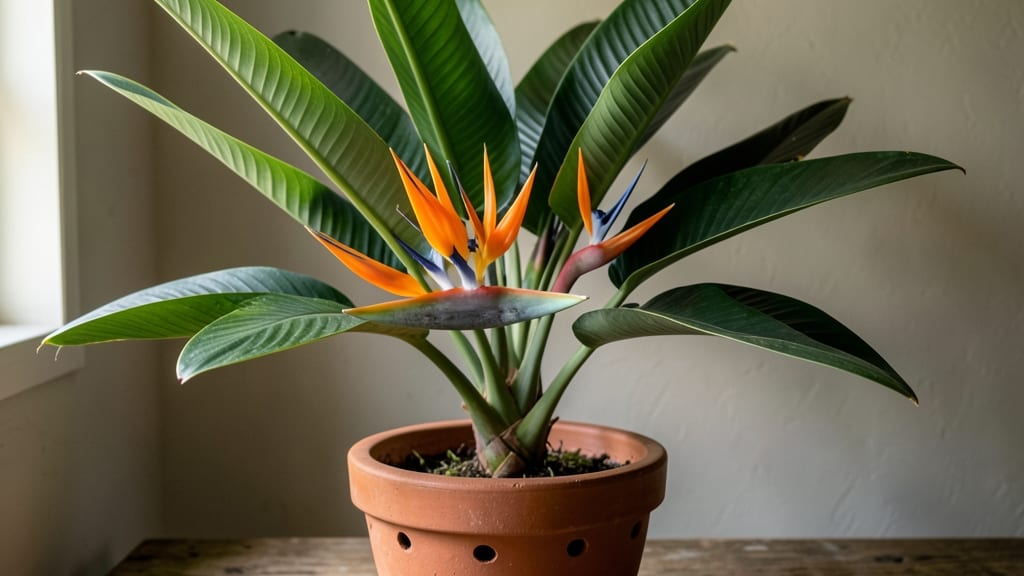
Growing a red bird of paradise shrub transforms your yard into a tropical paradise without the humidity. 🌺 These fiery blooms thrive in zones 9-11 but can be coaxed into cooler climates with the right care—my first plant in zone 7 still bursts with color every summer.
The secret lies in mimicking its native habitat: bright sunlight, well-draining soil, and minimal fuss. Most gardeners overwater, but these shrubs hate soggy roots. A 3-inch layer of mulch keeps moisture steady while preventing weeds that steal nutrients.
By late spring, you’ll see clusters of vibrant orange and red flowers that last for months. The foliage stays lush year-round, and with proper pruning, your shrub will grow 6-10 feet tall—perfect for borders or dramatic focal points.
Works as a container plant in small spaces or as a tall hedge in larger yards. Here’s how to keep yours blooming like a pro!
📚 In This Guide
- What you need
- Instructions
- Tips and common mistakes
- Wrapping up and next steps
What you need
- ● Red Bird of Paradise Shrub: 1–3 nursery-grown plants (3–5 ft tall for faster blooms)
- ● OR seeds (soak overnight for best germination)
- ● Well-draining soil: Mix 60% native soil + 30% compost + 10% perlite/pumice (pH 6.0–7.5)
- ● Sunlight access: Full sun (6+ hours/day) or light shade in hot climates
- ● Watering supplies: Hose with adjustable nozzle or drip irrigation kit
- ● Planting tools: Trowel or hand shovel
- ○ Garden gloves (optional but recommended)
- ○ Support structure (optional): Stakes (3–4 ft tall) + soft ties for young shrubs
- ● Trellis (if training as a vine in warmer zones)
- ● Fertilizer: Balanced 10-10-10 or slow-release tropical plant food (follow label rates)
- ● Epsom salt (1 tbsp/month in growing season for magnesium boost)
- ● Pruners: Sharp bypass pruners (sterilized with rubbing alcohol)
- ● Hardiness zones: 9–11 (USDA). In cooler zones, grow in containers for winter protection.
- ● Frost tolerance: None—bring pots indoors below 40°F (4°C).
- ● Space: 6–10 ft wide × 5–8 ft tall (prune to control size).
- ● Local regulations: Check if your area restricts tropical shrubs (some regions classify them as invasive).
Step-by-step instructions for planting and caring for red bird of paradise
Here's how to establish your shrub for vibrant, year-round blooms—no tropical climate required.
🌱 Step 1: Choose the Perfect Planting Spot
Red bird of paradise thrives in full sun—at least 6-8 hours daily. I always pick the warmest, sunniest corner of my yard where it can soak up those rays. This plant loves heat but will tolerate partial shade if you live in a scorching climate, though blooms may be less abundant.
Test your spot by observing how other plants grow there. If nearby shrubs look healthy and lush, it's likely a good match. The soil should drain well—bird of paradise hates soggy roots. If your yard has heavy clay, amend the area with 3-4 inches of compost mixed into the top 12 inches of soil before planting.
🪴 Step 2: Dig and Plant at the Right Depth
Dig a hole twice as wide as the root ball but only as deep as the container's height. This prevents burying the stem too deeply, which can cause rot. Gently remove the plant from its container and loosen any circling roots with your fingers—this encourages outward growth instead of a root-bound mess.
Place the shrub in the hole so the top of the root ball sits 1-2 inches above ground level. The soil line on the stem should remain visible after backfilling. Fill around the roots with native soil, pressing lightly to eliminate air pockets. Water deeply right after planting to settle everything in place.
☀️ Step 3: Water Deeply and Establish a Routine
Water your new shrub once a week for the first 4-6 weeks, giving it 1-2 gallons of water per application. You'll know it's getting enough when water runs out the drainage holes if planted in a container, or when the top 3-4 inches of soil feel moist.
After the initial period, reduce watering to every 2 weeks unless your area experiences extreme heat or drought. Mature plants are drought-tolerant once established, but they'll reward you with more blooms if you keep the soil consistently moist during the growing season. Mulch around the base with 2-3 inches of organic mulch to retain moisture and regulate soil temperature.
✂️ Step 4: Prune for Shape and Encourage Blooms
Prune in late winter or early spring before new growth begins. Remove any dead, damaged, or crossing branches first—this improves airflow and prevents disease. Then shape the shrub by cutting back overgrown stems to just above a leaf node or bud. I never cut more than 1/3 of the plant's height in one season to avoid stressing it.
For more blooms, trim back spent flower stalks to the base after they fade. This encourages the plant to produce new growth and more vibrant flowers. Avoid heavy pruning in fall, as the plant needs energy to prepare for winter. If you notice leggy growth, it's a sign of insufficient light—consider moving the plant to a sunnier spot or providing afternoon shade in extremely hot climates.
🌿 Step 5: Feed and Protect for Long-Term Health
Fertilize in early spring with a balanced, slow-release fertilizer (10-10-10 or similar). Sprinkle ½ cup around the base and water it in well. Repeat every 6-8 weeks during the growing season. Too much fertilizer can burn roots, so always follow package instructions and avoid applying in winter.
Watch for pests like mealybugs or scale, which love the sap of bird of paradise. If you spot any, wipe them off with a damp cloth or spray with neem oil. In colder climates, protect the plant with burlap or frost cloth if temperatures drop below 25°F. With proper care, your red bird of paradise will reward you with stunning blooms for years to come.
Tips & tricks for perfect red bird of paradise shrub growth
These simple strategies will help you coax vibrant blooms from your tropical beauty—even if you're not in a warm climate.
Sunlight Strategy: If your location only offers partial shade, position your shrub where it gets the most direct morning sun possible. The plant can handle afternoon shade better than morning shade, as the intense afternoon rays can scorch leaves. I've seen red bird of paradise thrive in areas with just 4-5 hours of direct sun if placed strategically near reflective surfaces like light-colored walls or water features.
Root Health Tip: When amending heavy clay soil with compost, mix in a handful of perlite or coarse sand into the bottom of the planting hole before adding your compost mixture. This creates better drainage right where the roots need it most, preventing that dreaded root rot that can kill your plant before it even gets established. Think of it as creating a little drainage "cushion" for your roots.
Watering Wisdom: The 1-2 gallons per week for the first 4-6 weeks might seem like a lot, but remember this is for the entire root ball. For container-grown plants, check moisture by sticking your finger 2 inches into the soil—if it's dry at that depth, it's time to water. Overwatering is the #1 killer of young bird of paradise plants, so always let the top 3-4 inches dry out between waterings after the initial period.
Pruning Pro Tip: When shaping your shrub in Step 4, look for those small leaf buds just above where you're making your cuts. These buds are where new growth will emerge, so cutting just above them ensures you're not leaving stubs that can collect moisture and rot. I like to make my cuts at a slight angle to help water run off rather than pool on the cut surface.
Pro Tips for Red Bird Of Paradise Shrub
- These simple strategies will help you coax vibrant blooms from your tropical beauty—even if you're not in a warm clim...
- Sunlight Strategy: If your location only offers partial shade, position your shrub where it gets the most direct morn...
- Root Health Tip: When amending heavy clay soil with compost, mix in a handful of perlite or coarse sand into the bott...
Frequently asked questions
Got questions about growing and caring for your Red Bird of Paradise shrub? You’re not alone!
Here are some of the most common queries—plus straightforward answers to keep your tropical beauty thriving.
Can I grow a Red Bird of Paradise shrub in a pot, or does it need to be planted in the ground?
The Red Bird of Paradise (Caesalpinia pulcherrima) thrives in pots if you choose a large container (at least 18 inches deep) with drainage holes. Use well-draining potting mix and repot every 2–3 years. Just ensure it gets full sun and regular watering—containers dry out faster than ground soil! Warning: It may not bloom as prolifically in pots due to root restrictions.
How cold can my Red Bird of Paradise handle before it dies?
This tropical shrub is not frost-tolerant—temperatures below 30°F (-1°C) can damage or kill it. If you live in a cold climate, grow it in containers and bring it indoors during winter or mulch heavily and protect it with burlap. In zones 9–11, it’s perennial and can stay outside year-round.
Should I prune my Red Bird of Paradise, and when is the best time to do it?
Pruning encourages bushier growth and more blooms! Trim dead or overgrown branches after flowering (late winter/early spring) or lightly shape it in early summer to maintain its size. Avoid heavy pruning in fall—it needs time to harden off before winter. Pro tip: Wear gloves—its branches have thorns!
What pests or diseases should I watch for with a Red Bird of Paradise?
Common issues include:
- Aphids or scale insects (sap-sucking pests)—treat with insecticidal soap.
- Whiteflies (check undersides of leaves).
- Root rot (from overwatering)—ensure well-draining soil.
- Powdery mildew (in humid conditions)—space plants for airflow and avoid wetting foliage.
Why isn’t my Red Bird of Paradise blooming, even though it’s healthy-looking?
Lack of blooms often stems from low light or poor nutrition. Ensure it gets 6+ hours of direct sun daily and fertilize with a balanced, tropical plant food (like 10-10-10) every 4–6 weeks during growing season. Bonus: Deadhead spent flowers to encourage more blooms!
Wrapping up and next steps
The Red Bird of Paradise shrub is a stunning, low-maintenance tropical beauty that rewards gardeners with vibrant blooms and lush foliage year-round. Whether you're a seasoned gardener or just starting, its adaptability and striking appearance make it a fantastic addition to any landscape. 🌺
Now that you’re armed with the right knowledge—from soil prep to pruning—take the next step! Start with a healthy plant, give it the care it craves, and watch your garden transform into a vibrant paradise.
Ready to bring the tropics home? Plant yours today and enjoy the magic! 🌿✨